
Louise M. Alcott
Dive into Louise M. Alcott’s complete fairy tales, short stories, and novels — read them online for free, filter to discover your favorites, or explore our article to learn more about the author.
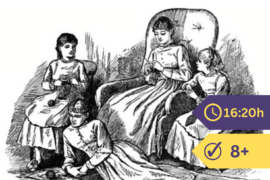











Louisa May Alcott (1832–1888) was an American author born in Germantown, Pennsylvania, and raised primarily in New England. She is best known for her novels depicting domestic life and the moral development of young people, most famously Little Women, first published in 1868. Drawing heavily on her own childhood and family, Alcott became one of the most widely read American writers of the nineteenth century, earning both critical recognition and lasting popular success during her lifetime.
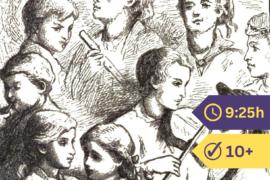
Beyond her celebrated novels, Alcott wrote a rich body of shorter fiction — fairy tales, fables, and moral tales — largely aimed at young readers. Her novel Little Men continued the world of the March family, following the next generation through the warmth and gentle discipline of Plumfield School. These longer works share the same qualities found throughout her shorter writing: close attention to character, a strong moral sensibility, and an affectionate portrayal of childhood.
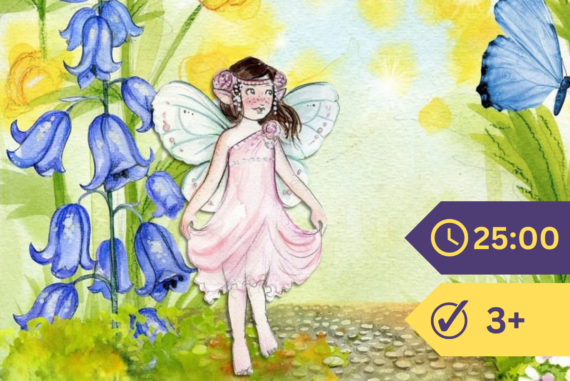
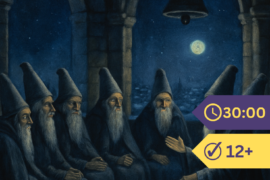
Alcott’s shorter tales often explore themes of nature, imagination, and the consequences of selfish or virtuous behavior. Stories such as The Frost King and the Power of Love and Ripple, the Water Spirit are set in fantastical worlds governed by elemental forces, reflecting her early interest in allegory and spiritual symbolism. In Little Annie’s Dream of the Flower Fairy and Eva’s Visit to Fairy-Land, young girls encounter magical realms that mirror their inner emotional lives — a recurring device in Alcott’s work that gently guides child readers toward self-reflection.
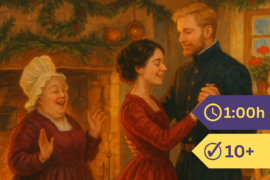
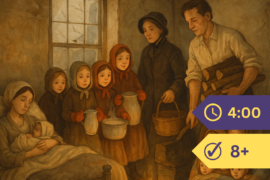
Her more grounded tales, such as A Christmas Dream and How It Came True and Rosy’s Journey, place ordinary children in situations that test their generosity, courage, or honesty. Alcott rarely moralized in a heavy-handed way; instead, her characters learn through experience, guided by consequences and by the example of others. This balance between narrative entertainment and ethical purpose defined her approach across nearly all of her writing for children.
Alcott’s work appeared across several decades and in a variety of formats — serialized magazine fiction, standalone story collections, and full-length novels. Her early fairy tales, many written in the 1850s and 1860s, show the influence of the Transcendentalist circle in which she was raised, particularly the ideas of her father, educator Amos Bronson Alcott. Her legacy rests not only on the enduring popularity of Little Women but on the breadth of her imagination and her sustained commitment to literature that took the inner lives of children seriously.