
Julia Mcnair Wright
Dive into Julia McNair Wright’s complete collection of educational stories for children — read them online for free, filter to discover your favorites, and explore our article to learn more.

Julia McNair Wright (1840–1903) was an American author known for writing educational and moral literature aimed at young readers during the latter half of the nineteenth century. Working in a tradition that blended natural science with accessible storytelling, she produced a body of work designed to inform and engage children on topics drawn from the natural world and everyday life. Her writing reflects the broader Victorian-era interest in combining instruction with entertainment, making factual subjects approachable for young audiences.
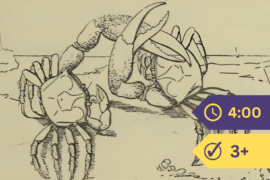
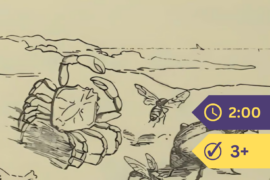
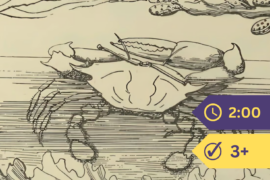
Wright is particularly noted for her series of short educational stories centered on marine creatures, most notably the crab. Through titles such as Mr. And Mrs. Crab and Mr. Crab And His House, she introduced young readers to the biology and behavior of crabs in a conversational, question-and-answer style that invited curiosity rather than passive reading. Stories like Mr. And Mrs. Crab Get A New Coat explain natural phenomena — such as molting — by drawing direct comparisons to the child’s own body and experience, making scientific concepts concrete and relatable.
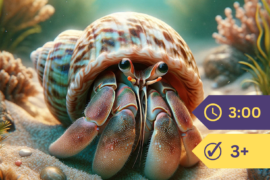
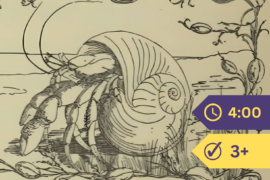
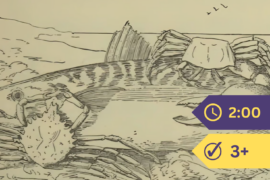
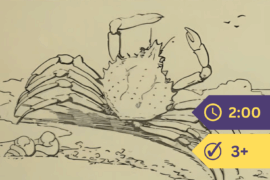
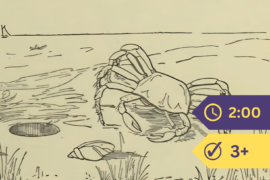
The recurring cast of her crab stories — Mr. Crab, Mrs. Crab, the hermit crab, and an assortment of unusual species — allowed Wright to explore a wide range of biological topics across multiple installments. The Hermit Crab examines the behavior of a creature that borrows its shelter from others, while The Crab’s Enemies addresses predation, survival, and reproduction in straightforward, child-friendly language. Some Other Crabs broadens the scope by introducing species such as the Spider Crab and others that differ markedly in shape and habit, demonstrating Wright’s effort to give children a sense of natural diversity rather than a single, simplified view of animal life.
Wright’s narrative technique consistently draws the child reader into active comparison — asking whether they have bones inside their body, whether their skin stretches as they grow, whether they, like the crab, are quick to anger. This direct address was characteristic of her pedagogical style and reflects the educational philosophy of her era, which held that children learned best when new knowledge was anchored to personal experience. Her work occupies a notable place in the history of American children’s nonfiction literature, representing an early effort to make natural history both scientifically grounded and genuinely engaging for young readers.