
Elsie Spicer Eells
Dive into Elsie Spicer Eells’ complete collection of folk tales, fables, and legends — read them online for free, filter to discover your favorites, and explore our article to learn more.



















Elsie Spicer Eells was an American author and folklorist active in the early twentieth century, best known for collecting and retelling traditional folk tales from Brazil and the Azores Islands of Portugal. At a time when Brazilian and Portuguese-Atlantic oral traditions were little known to English-speaking audiences, Eells played a significant role in bringing these stories to wider attention. Her two major collections — Myths and Legends of Brazil and Tales of Enchantment from Spain, among others — drew on her direct fieldwork and immersion in the cultures she documented.
Much of Eells’ work is rooted in the “pourquoi” tradition — stories that explain how or why the natural world came to be the way it is. Her Brazilian tales in particular follow animals through comic misadventures that account for physical traits or social reputations. How Night Came reaches back to the very beginning of time to explain the origin of darkness, moonbeams, and starlight, while How the Brazilian Beetles Got Their Gorgeous Coats explains why Brazil’s beetles shimmer like precious stones. Similarly, How the Tiger Got His Stripes weaves a narrative of labour and trickery to account for one of nature’s most familiar patterns.
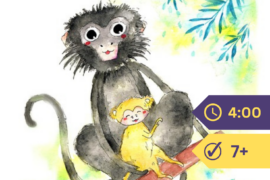
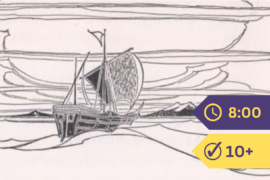
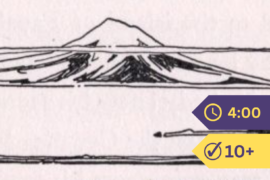
Animals are central characters throughout Eells’ tales, and the monkey in particular recurs as a cunning, resourceful, and sometimes morally ambiguous figure. Stories such as How the Monkey Escaped Being Eaten, How the Monkey Got Food When He Was Hungry, and How the Monkey Became a Trickster trace a consistent character arc rooted in Brazilian oral tradition. Beyond animals, Eells also recorded legends tied to specific places and saints, as seen in St. Brendan’s Island and stories set among the volcanic landscapes and convents of the Azores.
Eells wrote at a moment when folklore scholarship was increasingly treated as a serious academic and literary pursuit, and her retellings balance narrative readability with fidelity to their source cultures. Her work remains a valuable record of early twentieth-century oral traditions from the Portuguese-speaking Atlantic world and South America, preserving stories that might otherwise have faded from circulation.