To Helen

Summary


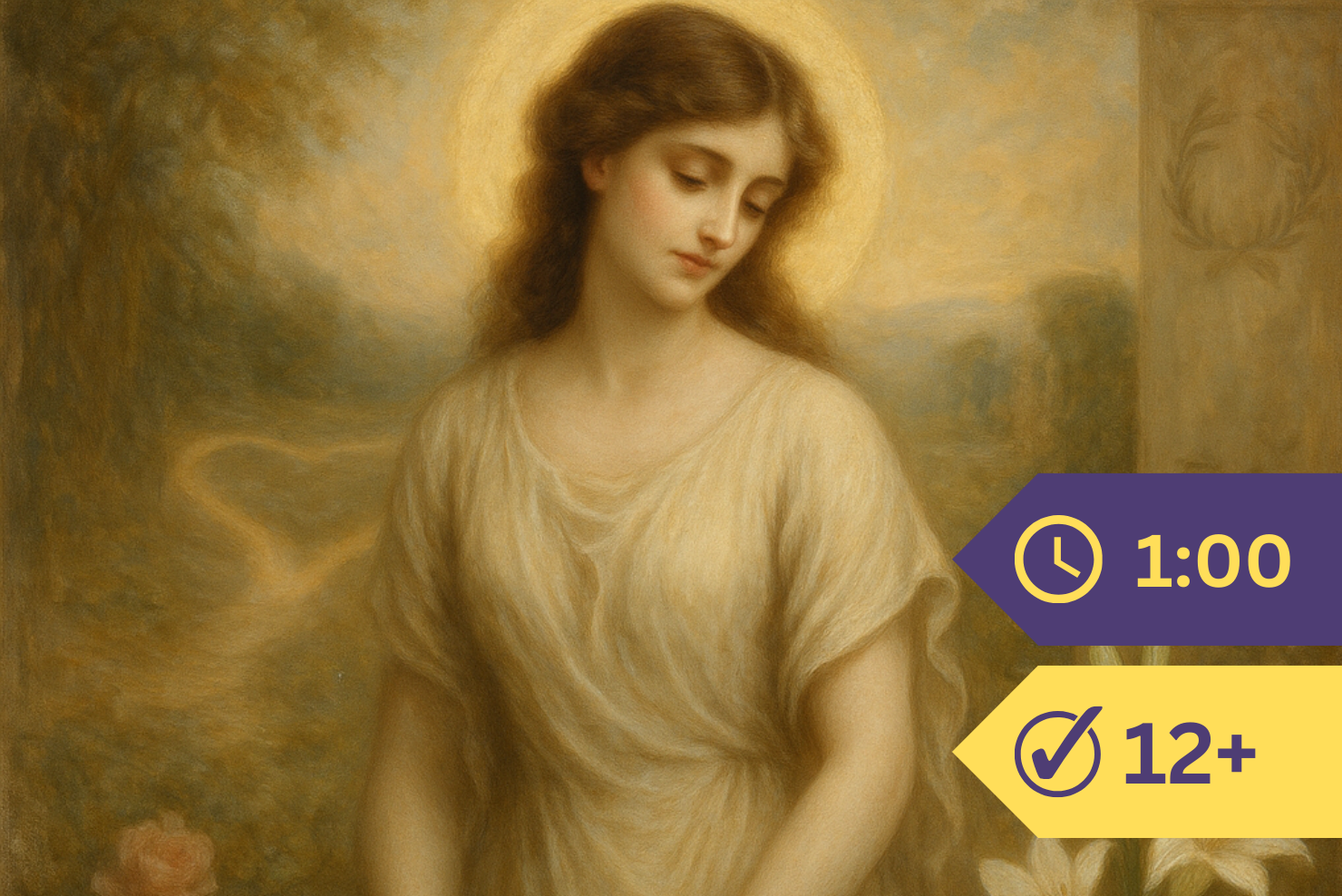
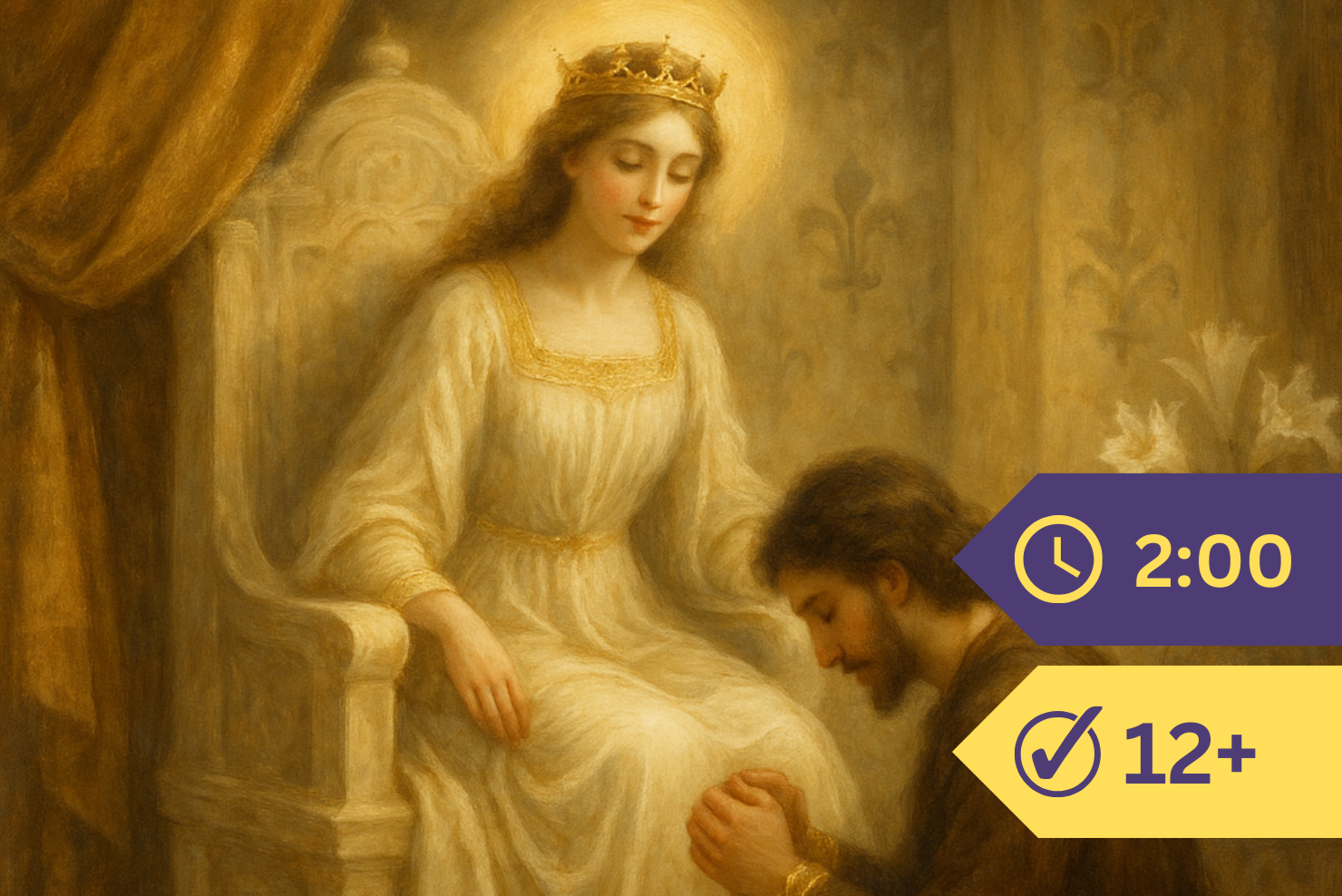
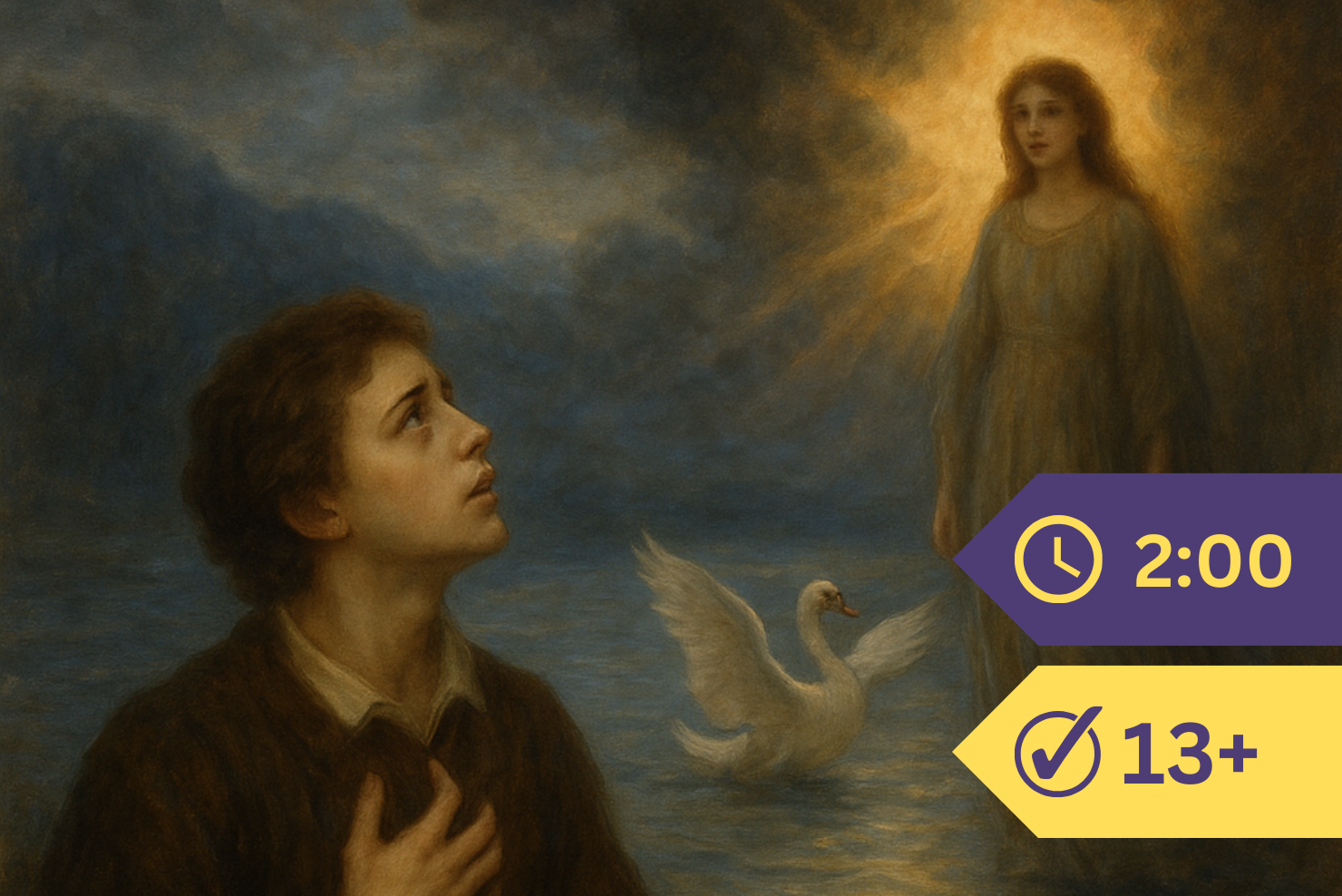
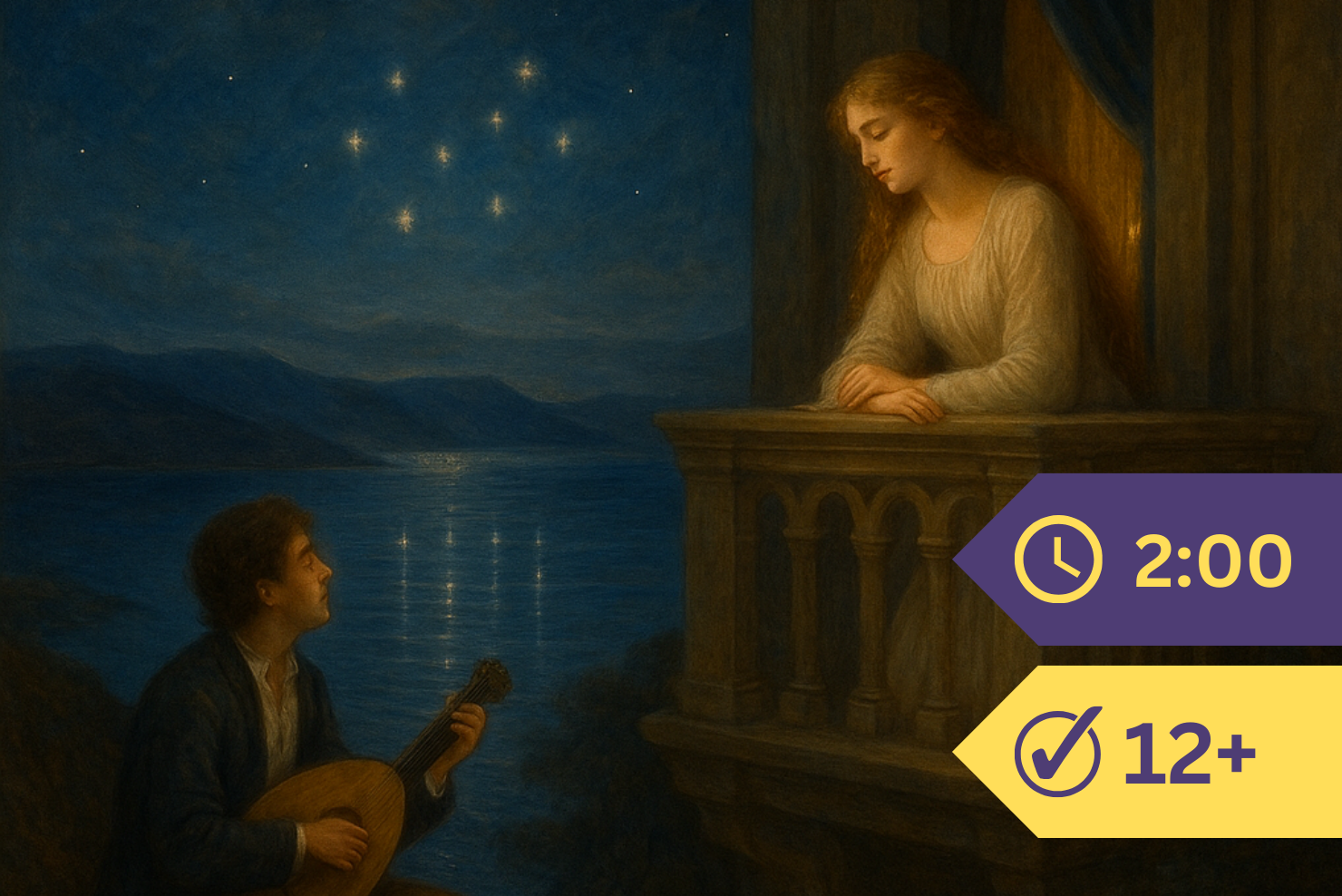
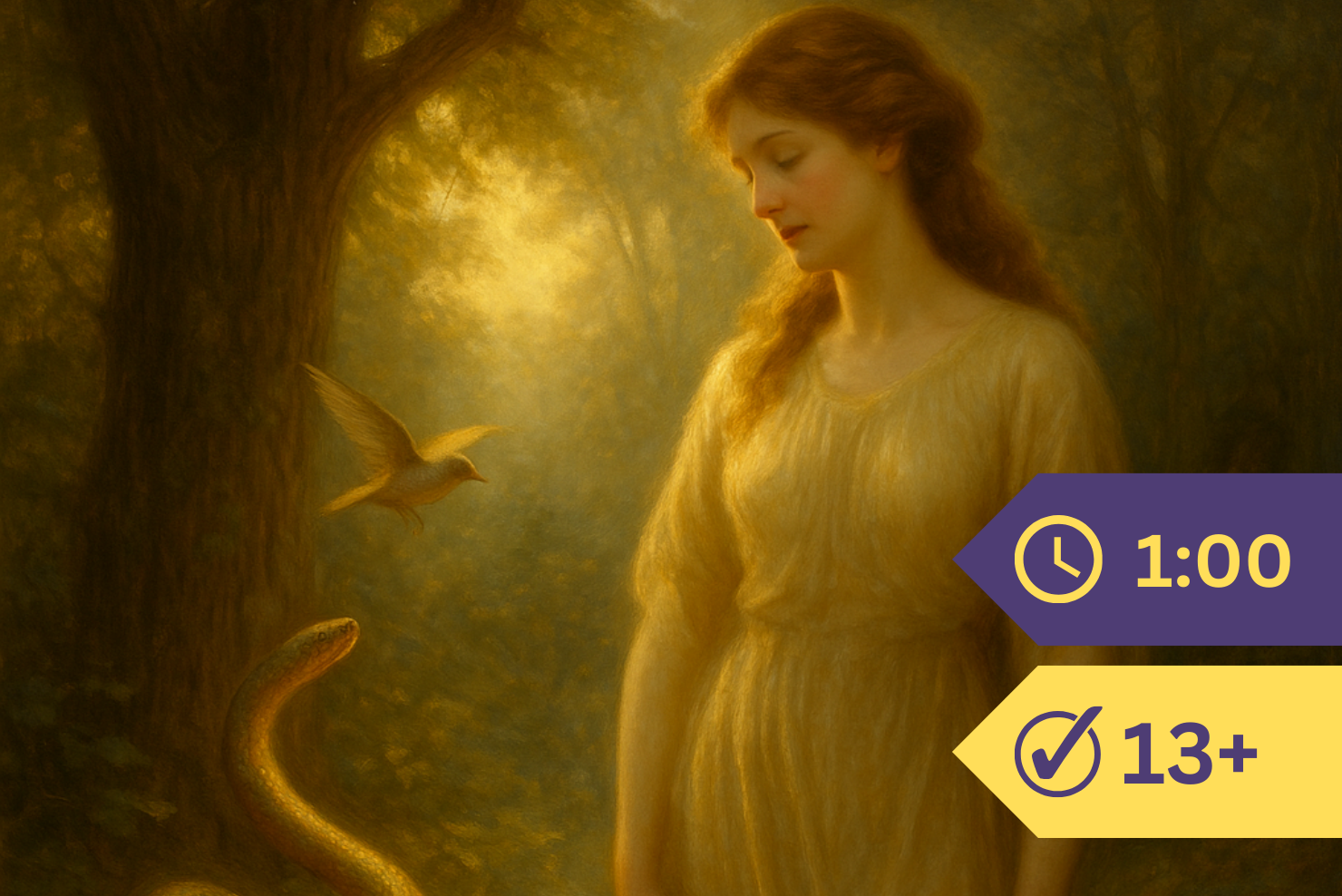
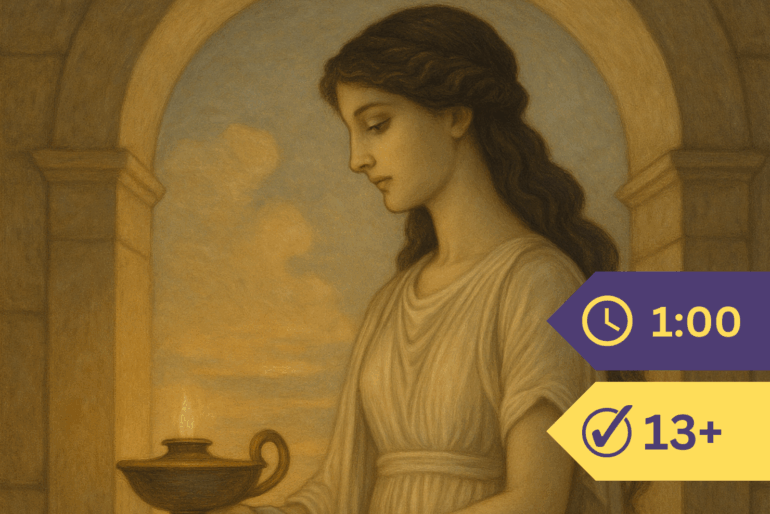
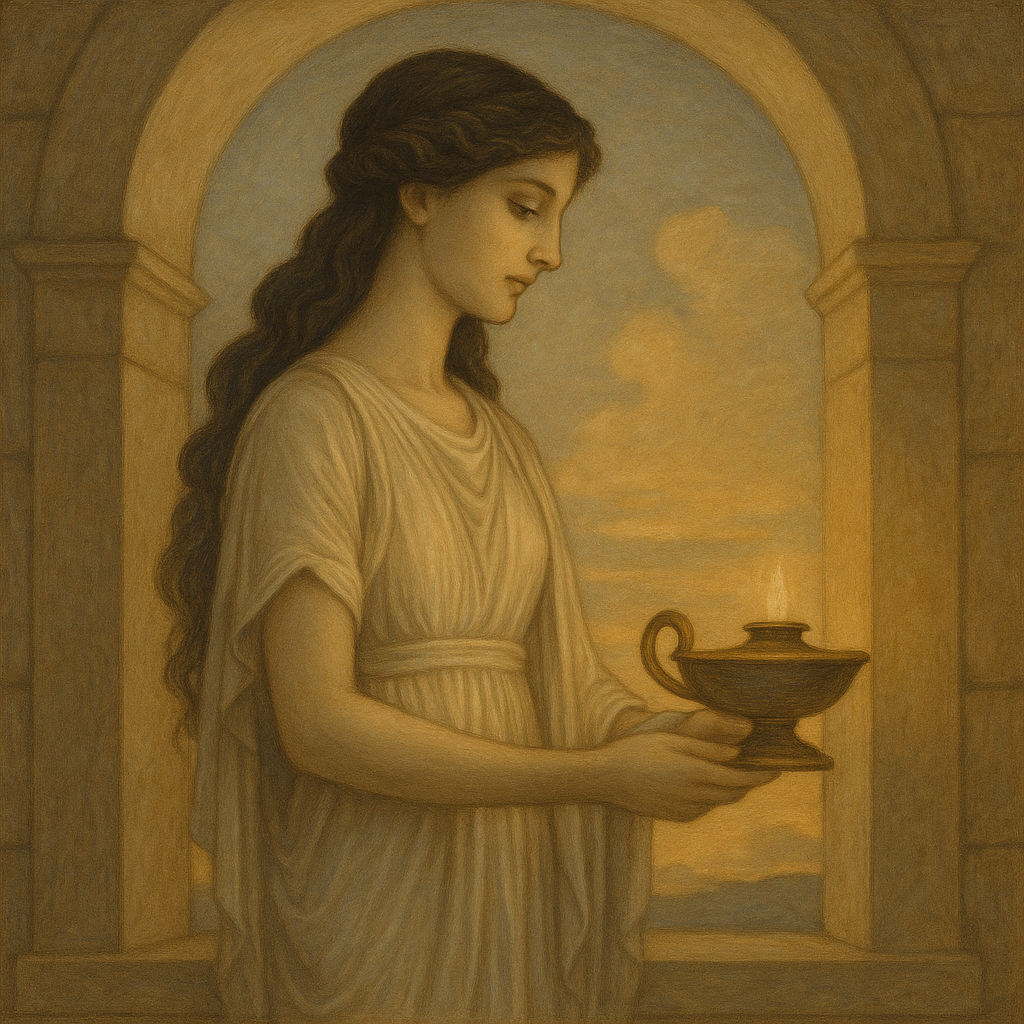
"To Helen" is a short lyric poem by Edgar Allan Poe in which a speaker addresses a woman whose beauty serves as a guiding force, drawing him back from exhaustion and wandering toward something ancient and sacred. Through vivid classical imagery — Nicean barks, hyacinth hair, Naiad airs — Poe elevates Helen to the status of a mythic figure, evoking the lost grandeur of Greece and Rome. The poem closes with a haunting vision of her standing like a statue, lamp in hand, luminous as Psyche herself.

Listen to audio


Read Online

Helen, thy beauty is to me
Like those Nicean barks of yore,
That gently, o’er a perfumed sea,
The weary way-worn wanderer bore
To his own native shore.

On desperate seas long wont to roam,
Thy hyacinth hair, thy classic face,
Thy Naiad airs have brought me home
To the glory that was Greece,
And the grandeur that was Rome.

Lo! in yon brilliant window-niche
How statue-like I me thee stand,
The agate lamp within thy hand!
Ah, Psyche, from the regions which
Are Holy-land!

Credits

Edgar Allan Poe (1809–1849) was an American poet, short story writer, and literary critic, widely celebrated for his mastery of atmosphere, music, and the macabre. "To Helen" was first published in 1831 and is believed to have been inspired by Jane Stith Stanard, the mother of a childhood friend, whose kindness left a lasting impression on the young Poe.