An Acrostic

Summary


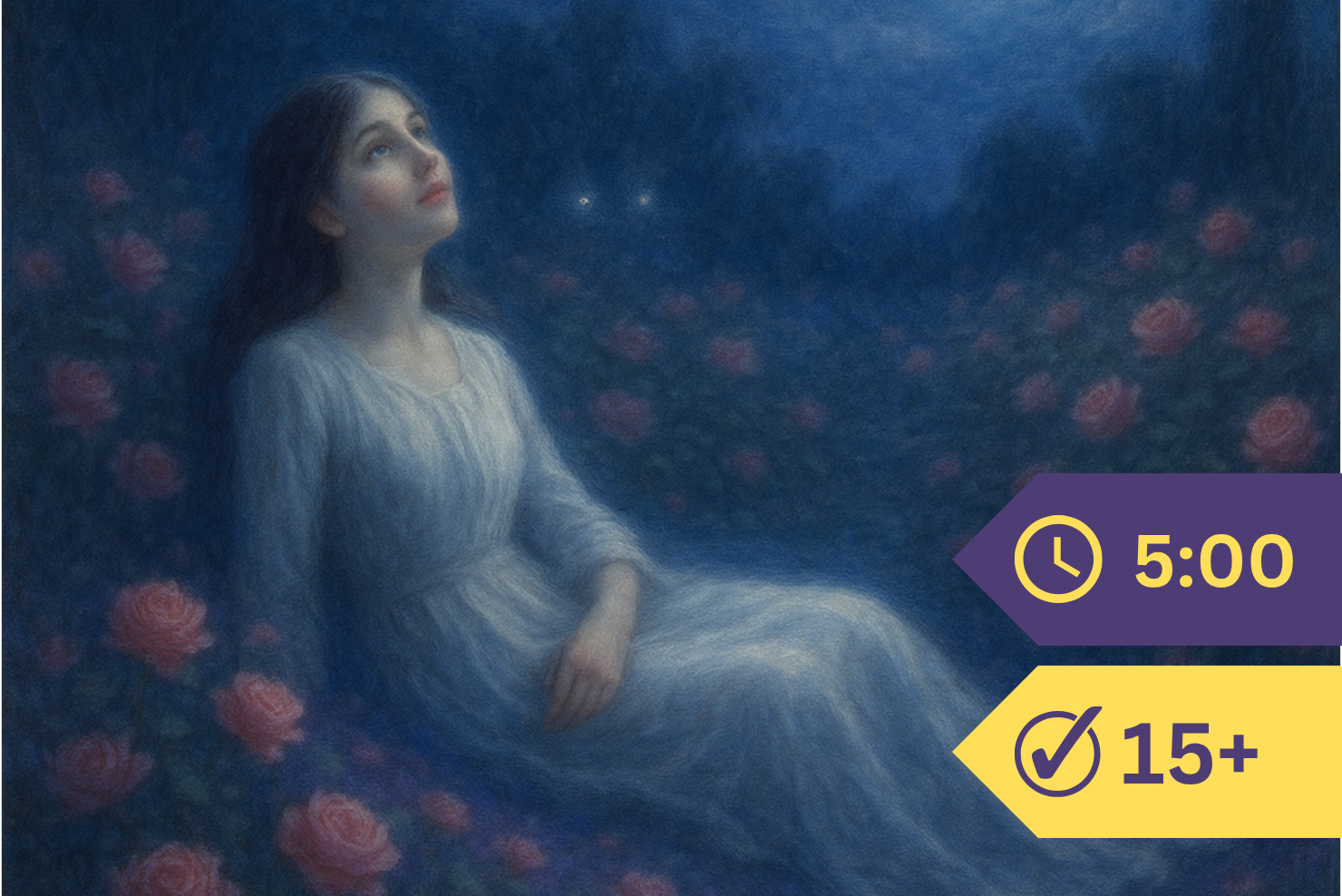
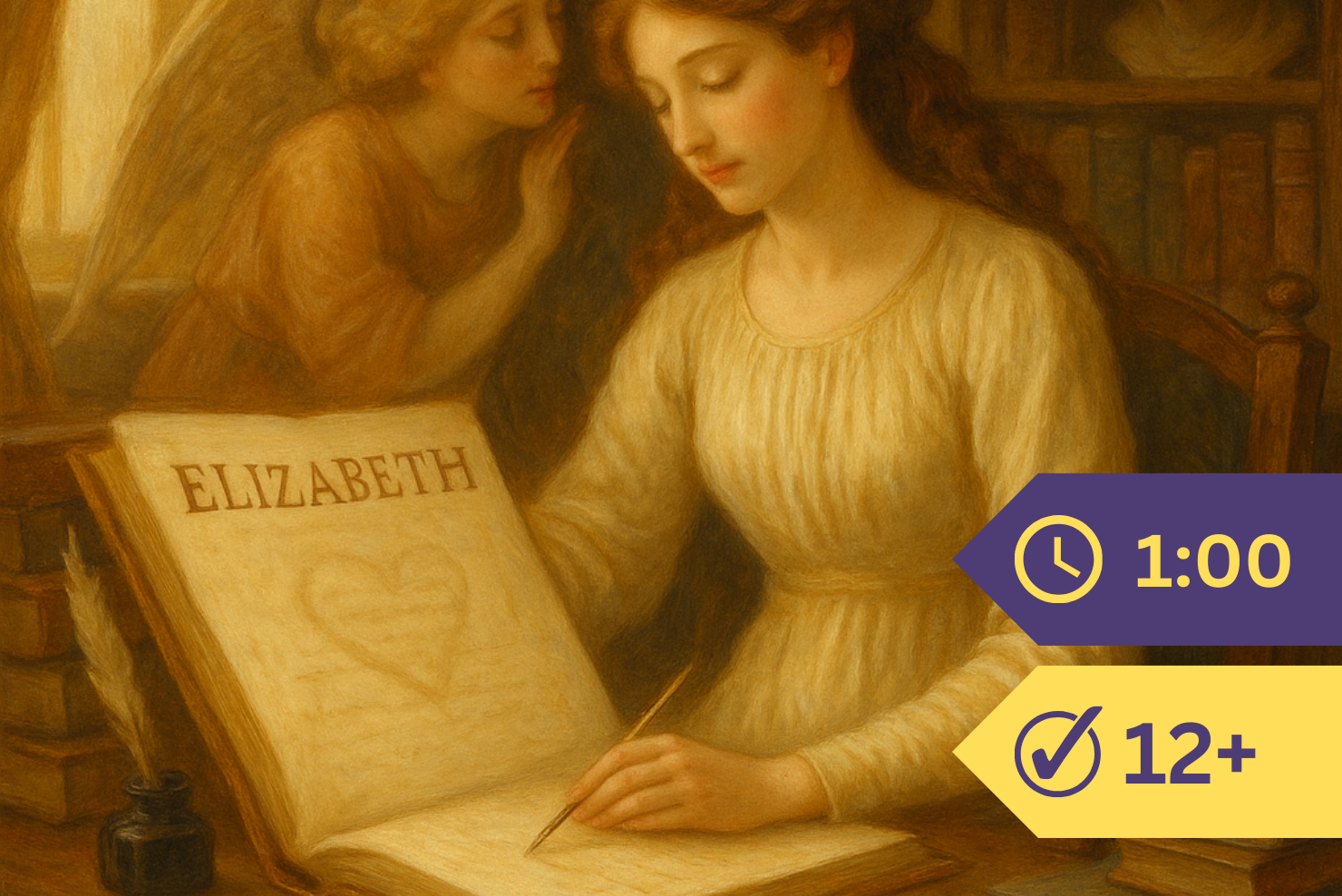
"An Acrostic" by Edgar Allan Poe is a short poem that conceals a woman's name — Elizabeth — spelled out through the first letter of each line. The speaker addresses her with a mixture of longing and gentle defiance, arguing that her plea to "love not" is undone by the very sweetness with which she delivers it. Drawing on the myth of Endymion, whose cure for love cost him everything, the poem builds to a quietly devastating conclusion about the price of surrendering passion.

Read Online

Elizabeth it is in vain you say
“Love not” — thou sayest it in so sweet a way:
In vain those words from thee or L.E.L.
Zantippe’s talents had enforced so well:
Ah! if that language from thy heart arise,
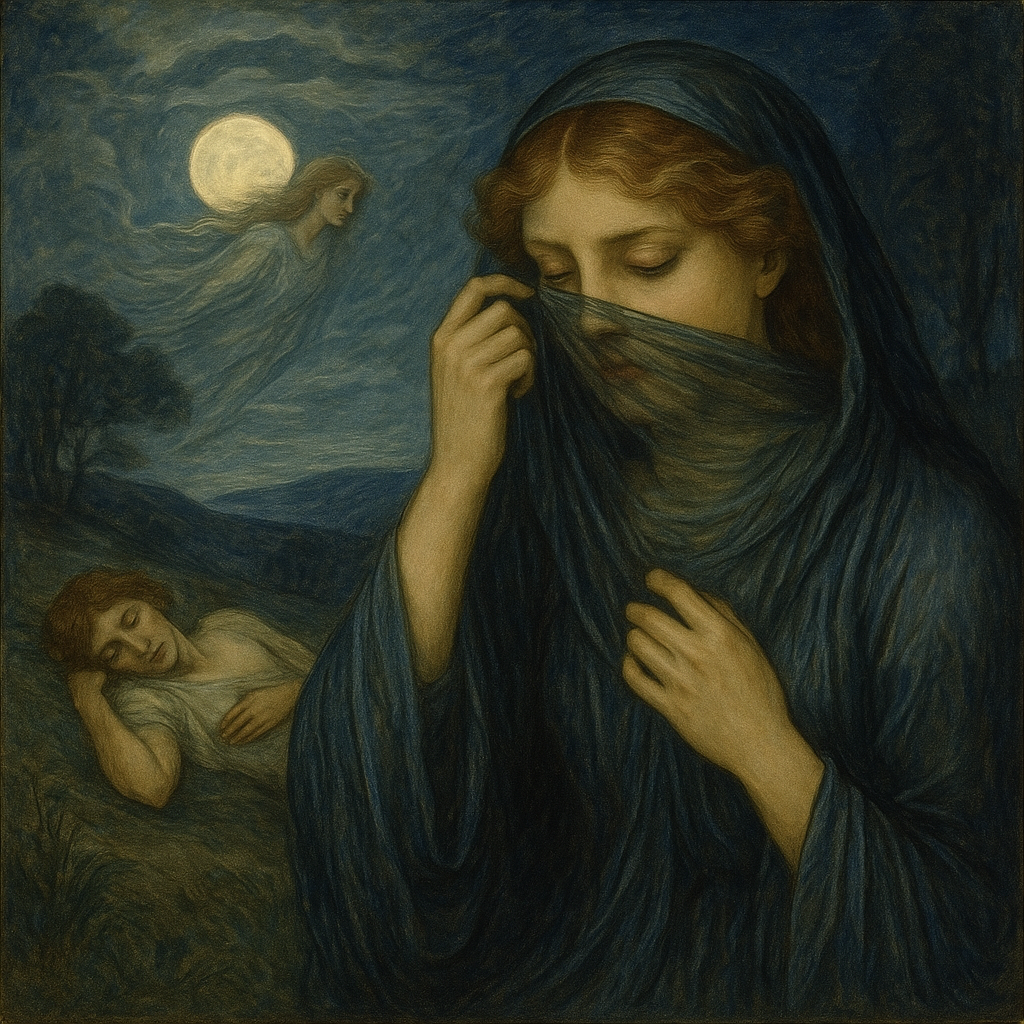
Breath it less gently forth — and veil thine eyes.
Endymion, recollect, when Luna tried
To cure his love — was cured of all beside —
His follie — pride — and passion — for he died.

Credits

Edgar Allan Poe (1809–1849) was an American poet, short story writer, and critic, widely celebrated for his mastery of atmosphere, mystery, and lyrical intensity. "An Acrostic" is believed to have been written for his cousin Elizabeth Rebecca Herring, with her name encoded vertically in the poem's first letters — a personal and playful tribute from one of literature's most inventive voices.