Serenade

Summary


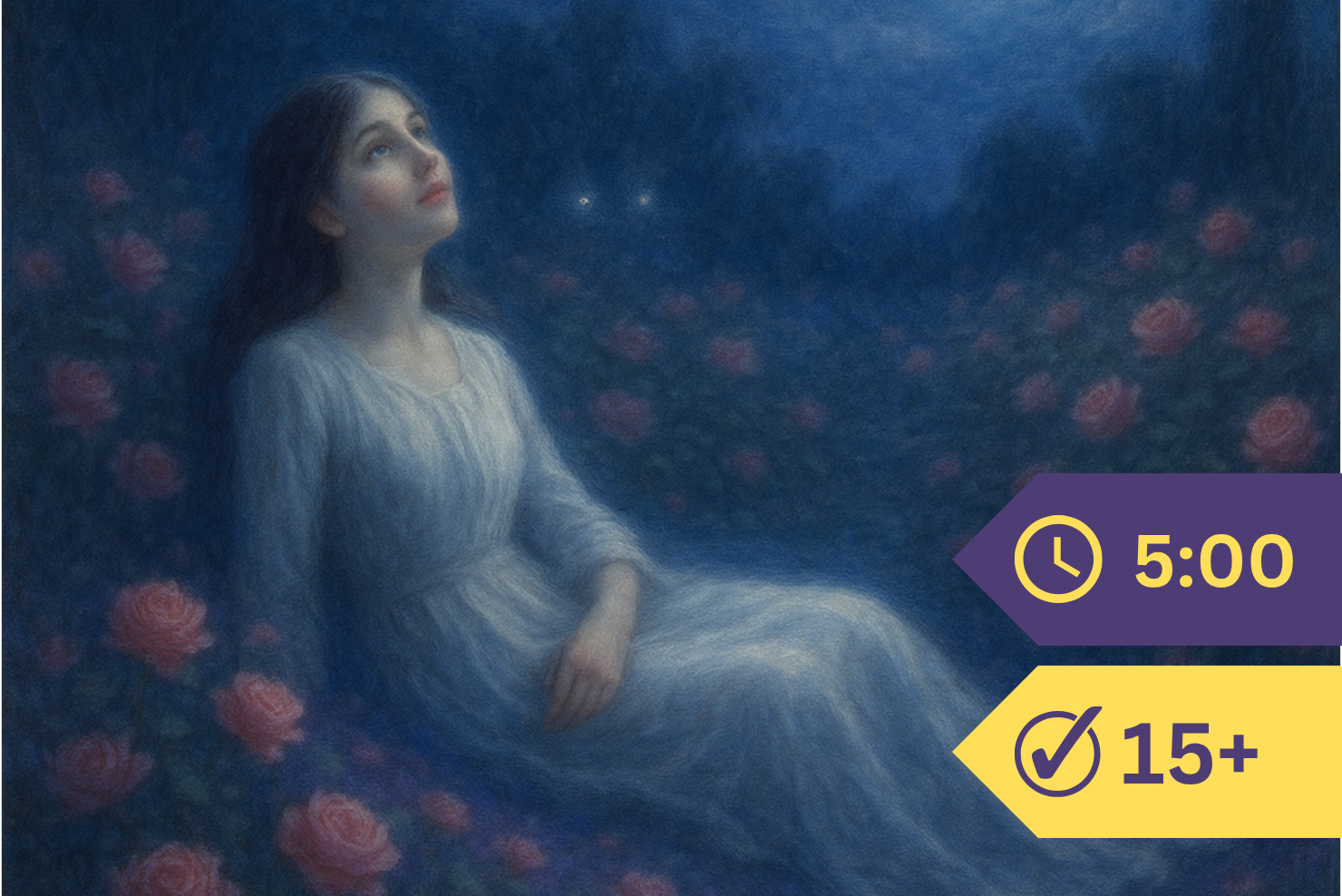
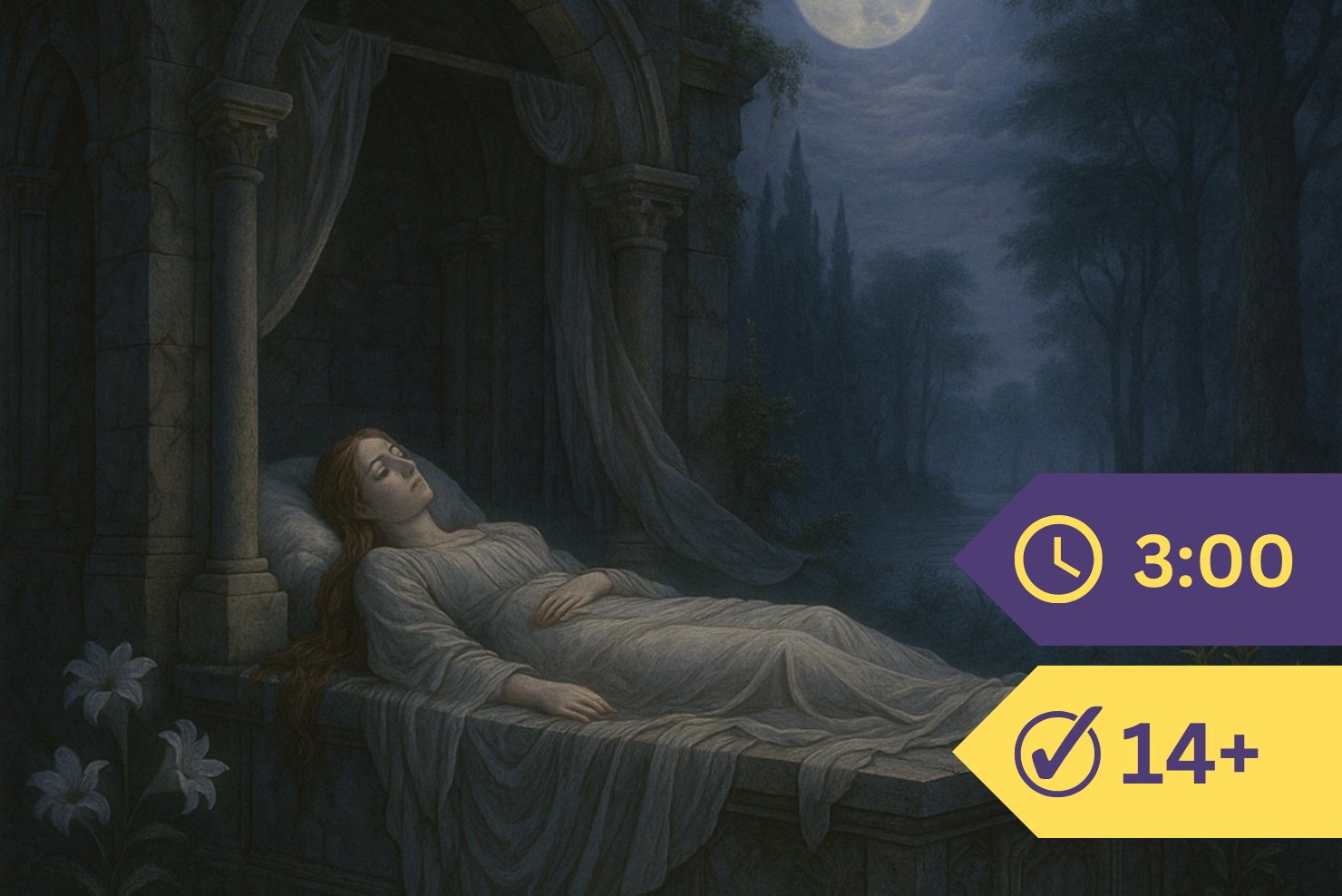
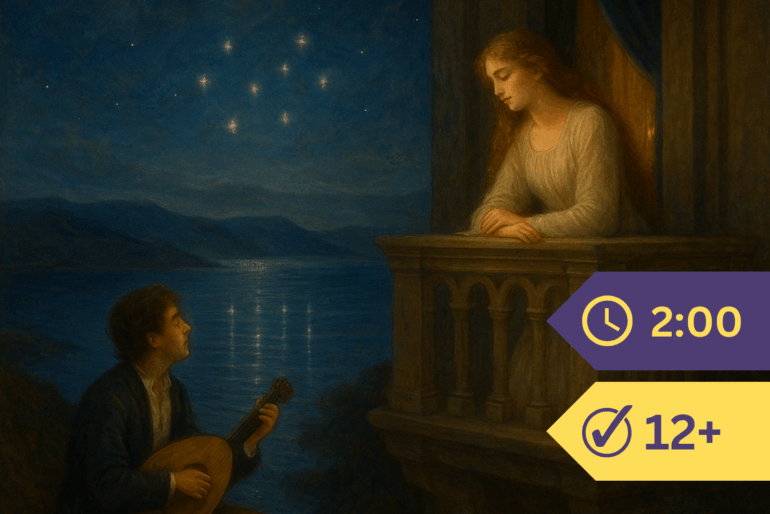
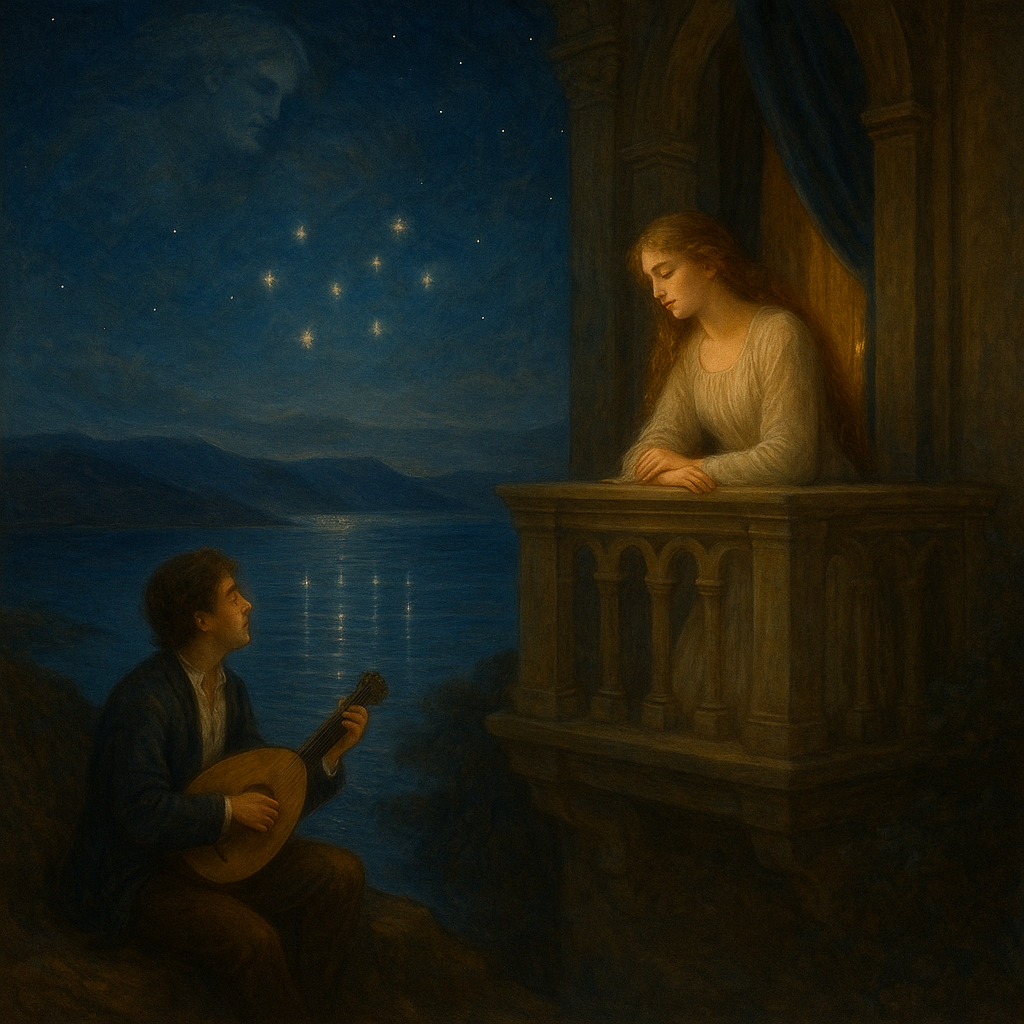
"Serenade" by Edgar Allan Poe unfolds in a world suspended between waking and sleep, where the speaker addresses his beloved Adeline in a voice so soft it barely disturbs the night. Stars, ocean, and mountain all rest in shared silence, and even the Pleiades find their mirror in the deep. The speaker fears that any sound — even a lute — might break the spell, yet he murmurs on, longing for their souls to mingle in that fragile, dreamlike space between thought and feeling.

Read Online

So sweet the hour, so calm the time,
I feel it more than half a crime,
When Nature sleeps and stars are mute,
To mar the silence ev’n with lute.
At rest on ocean’s brilliant dyes
An image of Elysium lies:
Seven Pleiades entranced in Heaven,
Form in the deep another seven:
Endymion nodding from above
Sees in the sea a second love.
Within the valleys dim and brown,
And on the spectral mountain’s crown,
The wearied light is dying down,
And earth, and stars, and sea, and sky
Are redolent of sleep, as I
Am redolent of thee and thine
Enthralling love, my Adeline.
But list, O list,- so soft and low
Thy lover’s voice tonight shall flow,
That, scarce awake, thy soul shall deem
My words the music of a dream.
Thus, while no single sound too rude
Upon thy slumber shall intrude,
Our thoughts, our souls- O God above!
In every deed shall mingle, love.

Credits

Edgar Allan Poe (1809–1849) was an American poet, short story writer, and literary critic, celebrated for his mastery of atmosphere, darkness, and lyrical intensity. "Serenade" reveals a quieter, more tender register of Poe's voice, drawing on classical imagery — Endymion, the Pleiades, Elysium — to frame a lover's whispered devotion. The poem is believed to have been written in the late 1820s, during the same period that produced some of his most musically refined early verse.

Related tags
, , ,