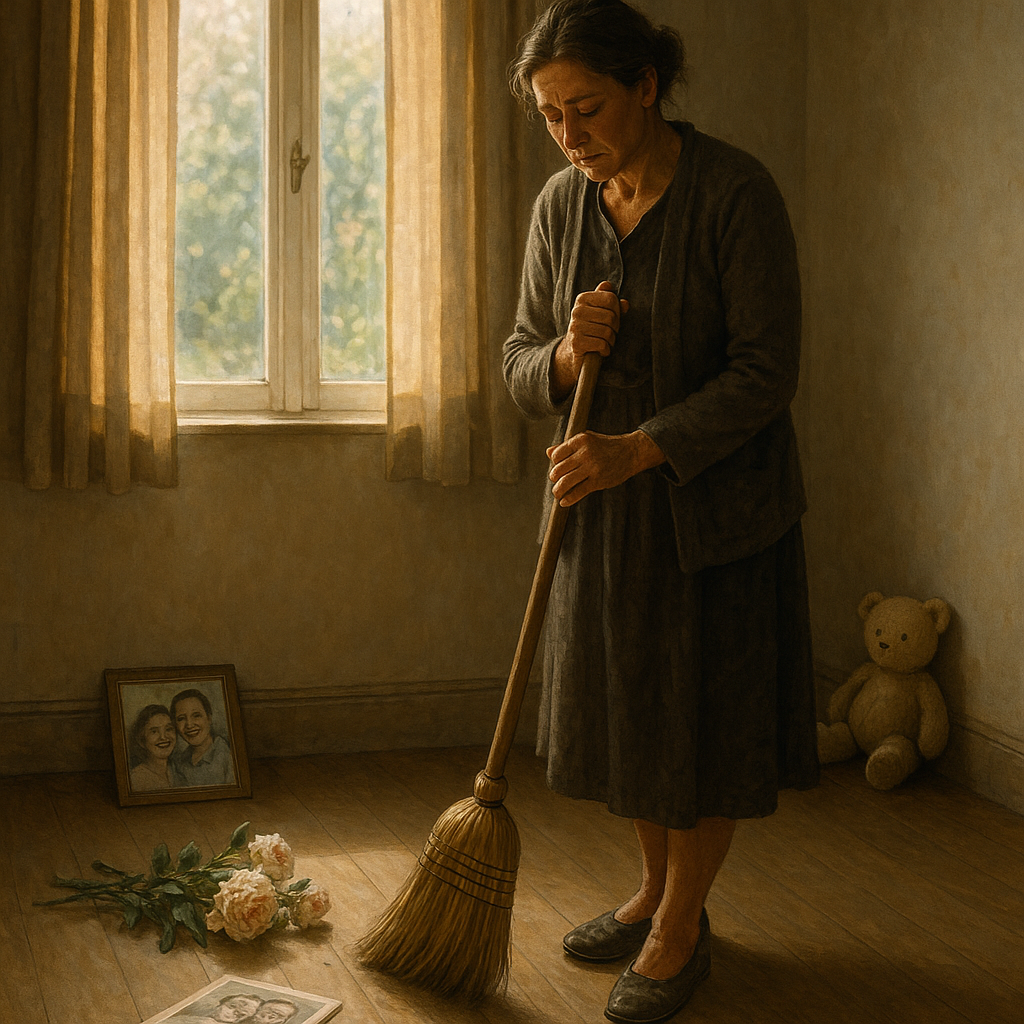
The bustle in a house
The morning after death
Is solemnest of industries
Enacted upon earth,—
The sweeping up the heart,
And putting love away
We shall not want to use again
Until eternity.

 Read Anywhere, Anytime
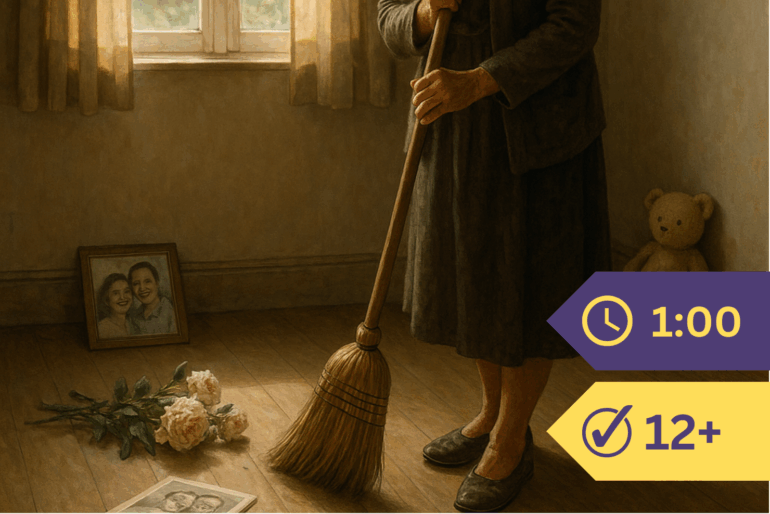
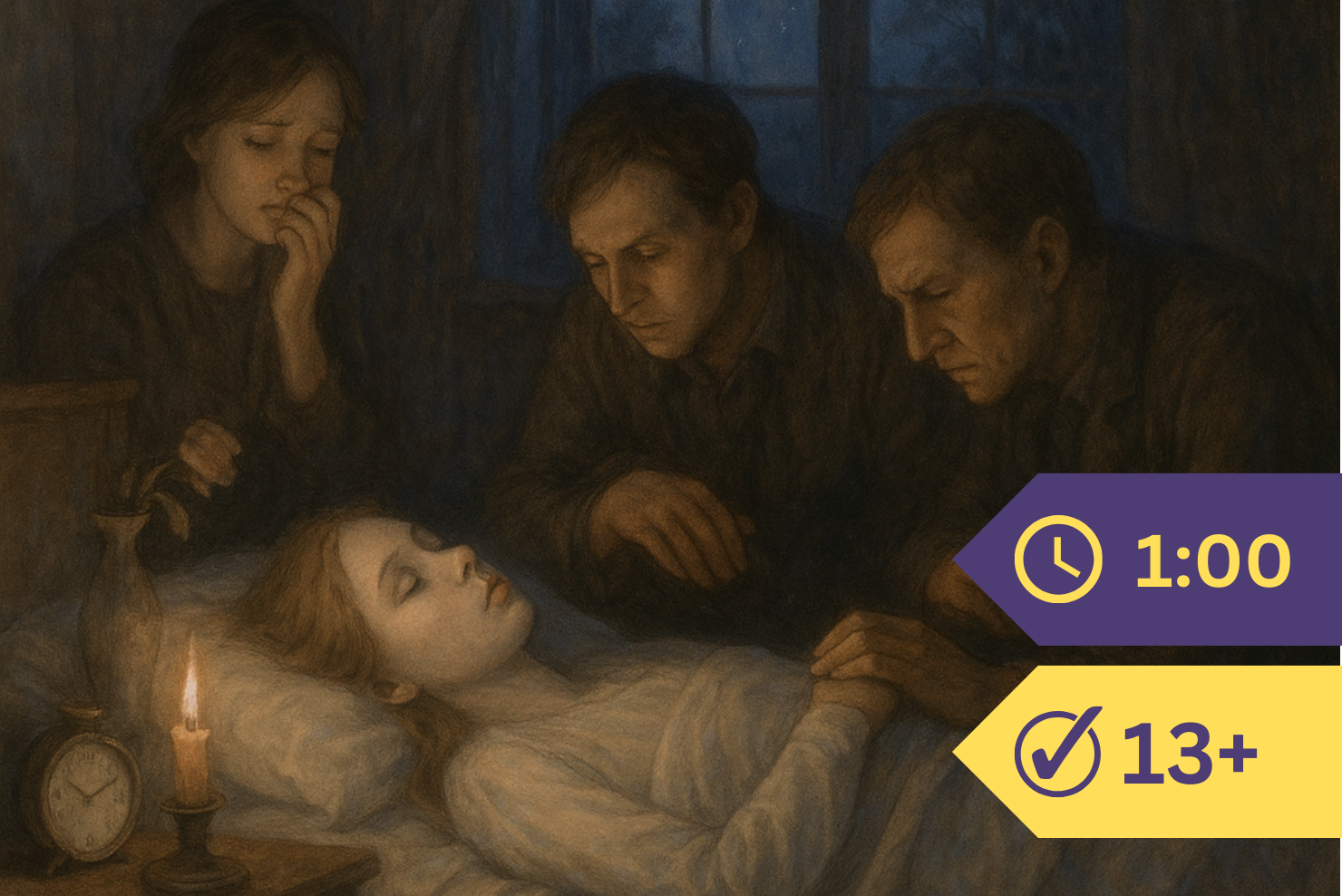
The bustle in a house
The morning after death
Is solemnest of industries
Enacted upon earth,—
The sweeping up the heart,
And putting love away
We shall not want to use again
Until eternity.
This poem was written by Emily Dickinson, the 19th-century American poet widely regarded as one of the most original voices in English-language literature. Writing in near-total seclusion in Amherst, Massachusetts, Dickinson produced nearly 1,800 poems, most published only after her death in 1886. "The Bustle in a House" is believed to have been composed around 1866 and reflects her characteristic use of slant rhyme and domestic imagery to explore mortality.