Purple Clover

Summary


"Purple Clover" is a poem by Emily Dickinson that transforms a humble wildflower into a portrait of resilience and quiet dignity. The clover blooms before the world turns green, faces the wind without hesitation, and shares its sweetness freely with every bee, butterfly, and hummingbird that passes. Dickinson celebrates its indifference to rivalry and changing seasons, tracing a life lived fully in sun and soil — right up to its uncomplaining surrender to the first frost.

Read Online

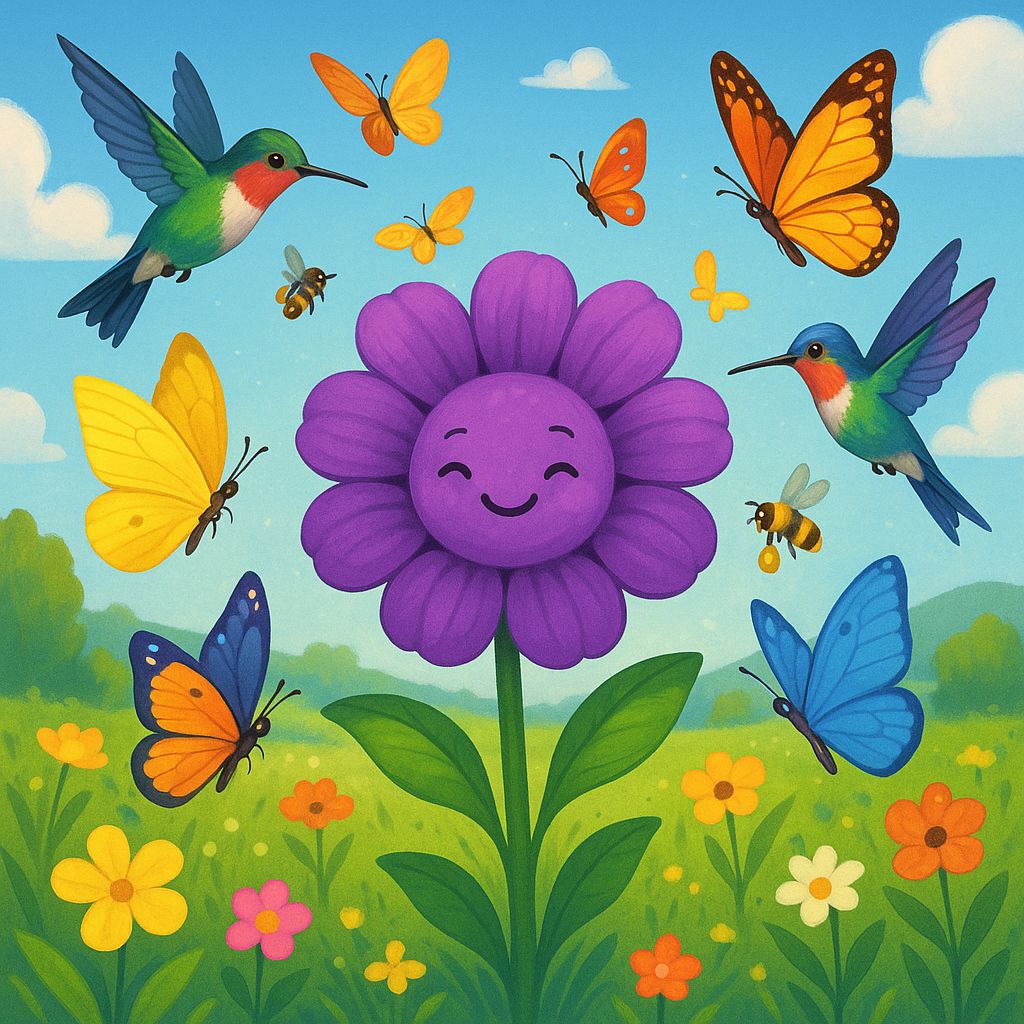
There is a flower that bees prefer,
And butterflies desire;
To gain the purple democrat
The humming-birds aspire.

And whatsoever insect pass,
A honey bears away
Proportioned to his several dearth
And her capacity.

Her face is rounder than the moon,
And ruddier than the gown
Of orchis in the pasture,
Or rhododendron worn.

She doth not wait for June;
Before the world is green
Her sturdy little countenance
Against the wind is seen,

Contending with the grass,
Near kinsman to herself,
For privilege of sod and sun,
Sweet litigants for life.

And when the hills are full,
And newer fashions blow,
Doth not retract a single spice
For pang of jealousy.

Her public is the noon,
Her providence the sun,
Her progress by the bee proclaimed
In sovereign, swerveless tune.

The bravest of the host,
Surrendering the last,
Nor even of defeat aware
When cancelled by the frost.

Credits

Emily Dickinson was an American poet of the 19th century, now regarded as one of the most original voices in English-language literature. Known for her slant rhyme, compressed imagery, and unconventional punctuation, she published very little during her lifetime. In "Purple Clover," her close observation of the natural world becomes a meditation on endurance — the clover's seasonal struggle for "privilege of sod and sun" echoing themes that run throughout her broader body of work.