Indian Summer

Summary


"Indian Summer" is a short poem by Emily Dickinson that captures the bittersweet deception of late autumn days that mimic summer's warmth. A few birds return, skies glow gold and blue, yet the speaker knows it is a "mistake" — a beautiful fraud that even the bee refuses to believe. As a timid leaf falls and seeds bear witness to the season's true end, Dickinson closes with an aching plea to partake in summer's final, almost sacred communion before it slips away entirely.


Read Online

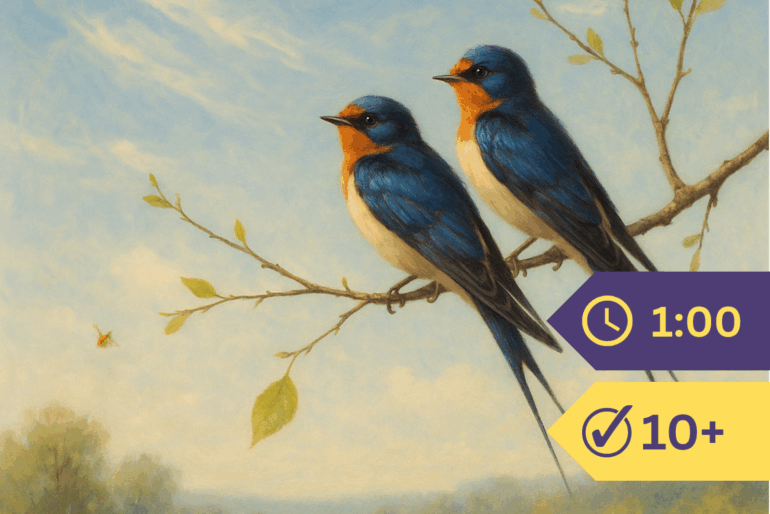
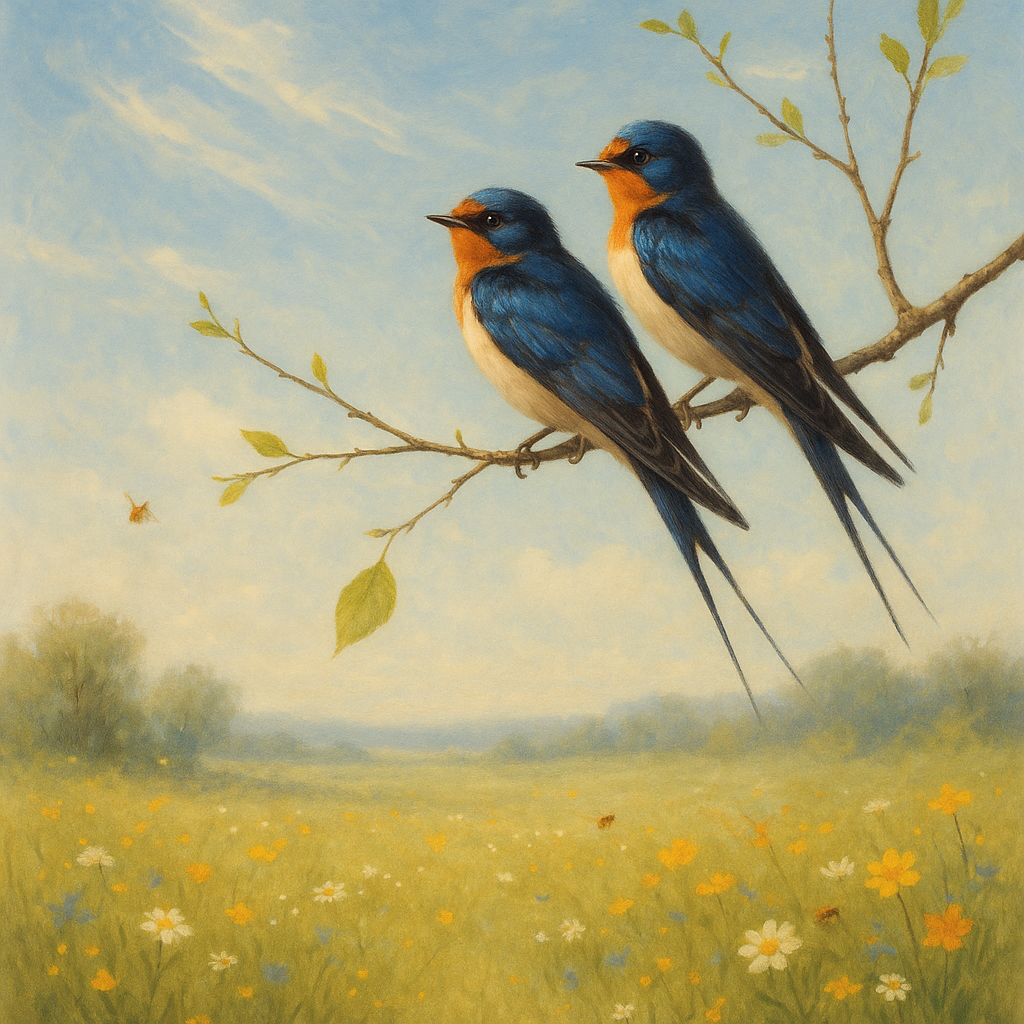
These are the days when birds come back,
A very few, a bird or two,
To take a backward look.

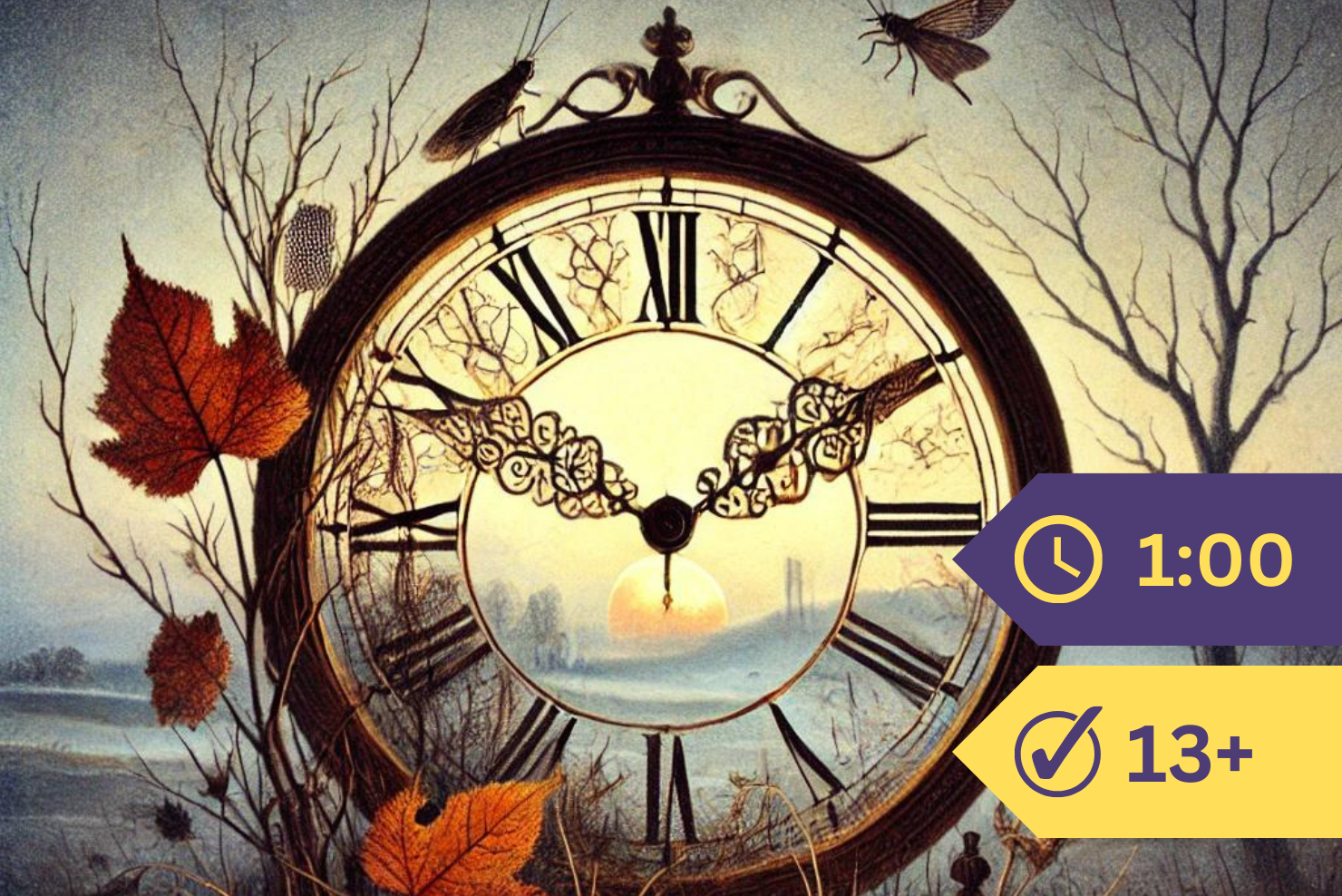
These are the days when skies put on
The old, old sophistries of June,—
A blue and gold mistake.

Oh, fraud that cannot cheat the bee,
Almost thy plausibility
Induces my belief,

Till ranks of seed their witness bear,
And softly through the altered air
Hurries a timid leaf!

Oh, sacrament of summer days,
Oh, last communion in the haze,
Permit a child to join,

Thy sacred emblems to partake,
Thy consecrated bread to break,
Taste thine immortal wine!

Credits

Emily Dickinson was an American poet of the 19th century, now regarded as one of the most original voices in literary history, known for her slant rhyme, dashes, and compressed emotional intensity. "Indian Summer" showcases her distinctive ability to weave theological imagery — sacrament, communion, consecrated bread — into a deeply personal encounter with the natural world.