Apparently with no surprise
To any happy flower,
The frost beheads it at its play
In accidental power.
The blond assassin passes on,
The sun proceeds unmoved
To measure off another day
For an approving God.

 Read Anywhere, Anytime
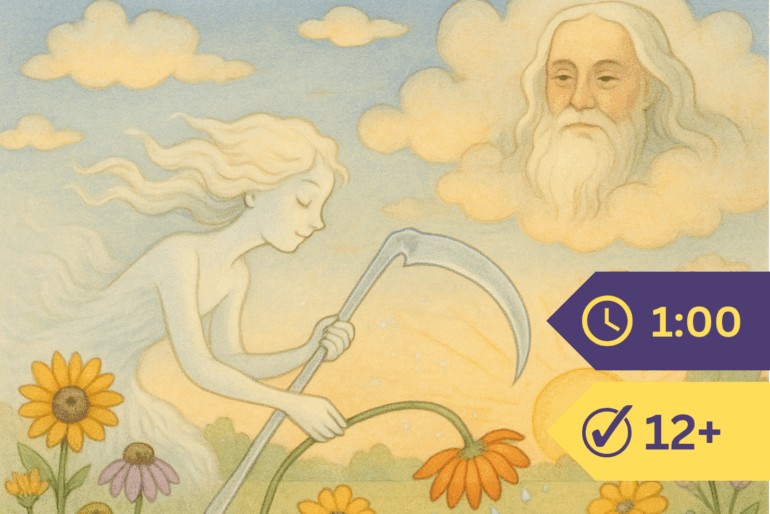
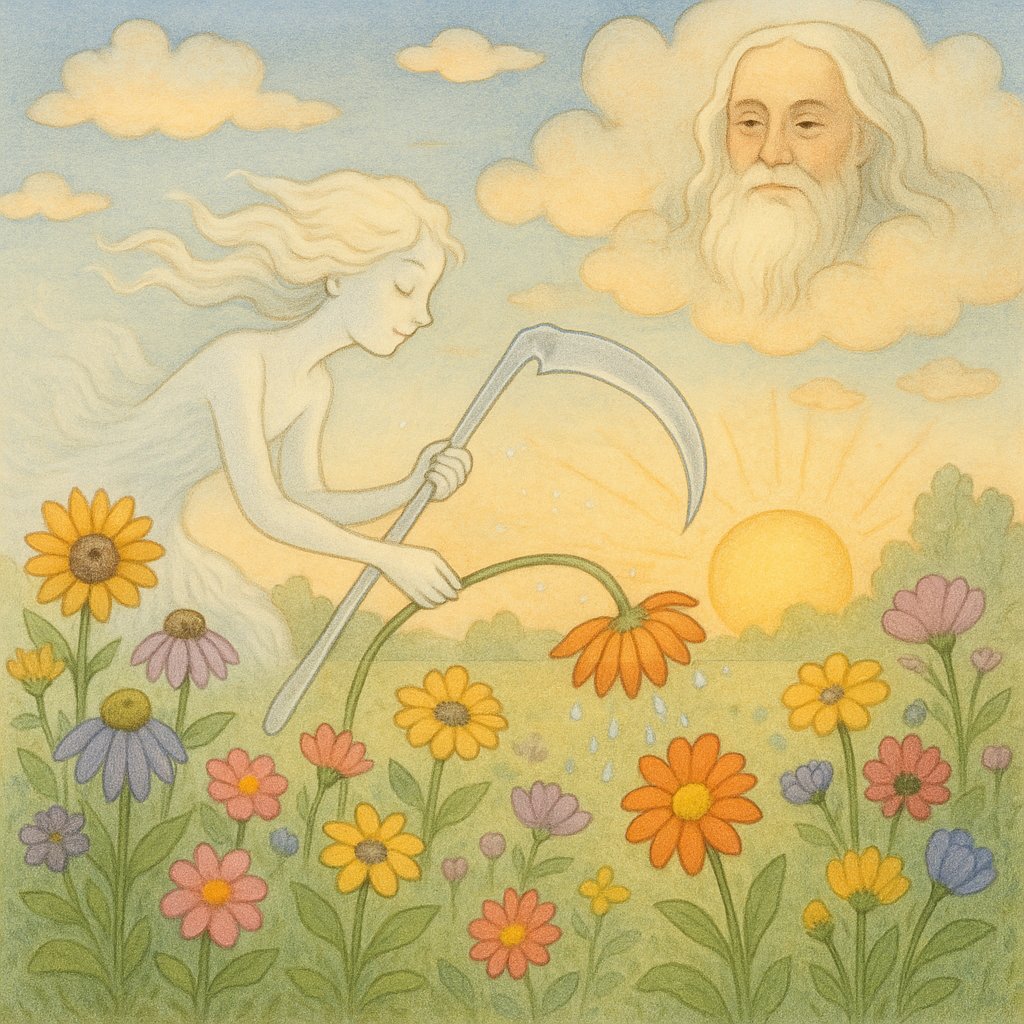
Apparently with no surprise
To any happy flower,
The frost beheads it at its play
In accidental power.
The blond assassin passes on,
The sun proceeds unmoved
To measure off another day
For an approving God.
Emily Dickinson was a 19th-century American poet whose compressed, daring verse reshaped what poetry could do with brevity and punctuation. Writing in near-total seclusion in Amherst, Massachusetts, she produced nearly 1,800 poems, most published only after her death. In "Death and Life," her unsettling image of frost as a "blond assassin" is a striking example of the way she used domestic and natural details to confront mortality head-on.