I CANNOT live with you,
It would be life,
And life is over there
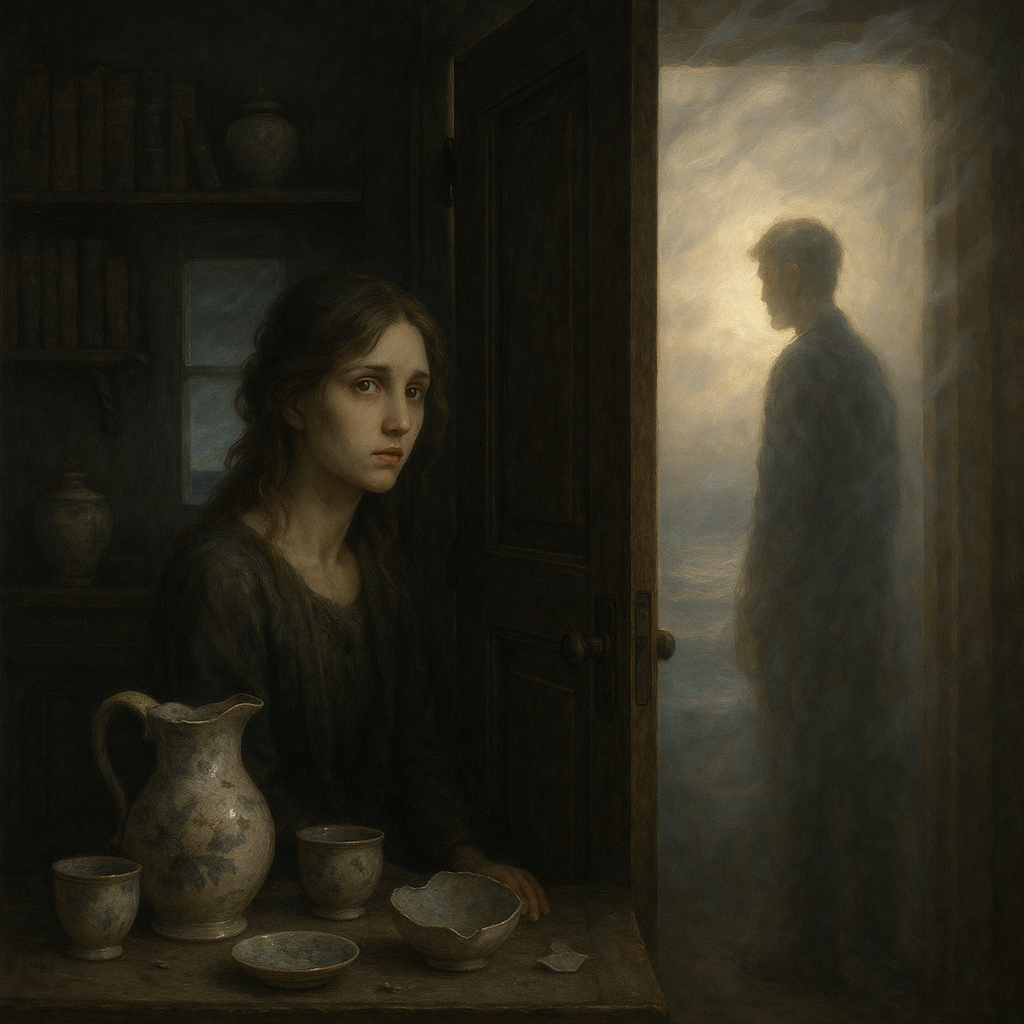
Behind the shelf
The sexton keeps the key to,
Putting up
Our life, his porcelain,
Like a cup
Discarded of the housewife,
Quaint or broken;
A new Sèvres pleases,
Old ones crack.
I could not die with you,
For one must wait
To shut the other’s gaze down,—
You could not.
And I, could I stand by
And see you freeze,
Without my right of frost,
Death’s privilege?
Nor could I rise with you,
Because your face
Would put out Jesus’,
That new grace
Glow plain and foreign
On my homesick eye,
Except that you, than he
Shone closer by.
They’d judge us—how?
For you served Heaven, you know,
Or sought to;
I could not,
Because you saturated sight,
And I had no more eyes
For sordid excellence
As Paradise.
And were you lost, I would be,
Though my name
Rang loudest
On the heavenly fame.
And were you saved,
And I condemned to be
Where you were not,
That self were hell to me.
So we must keep apart,
You there, I here,
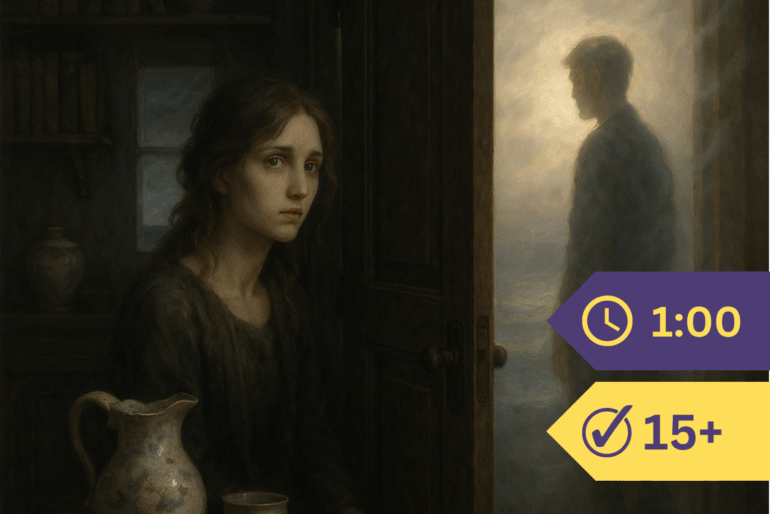
With just the door ajar
That oceans are,
And prayer,
And that pale sustenance,
Despair!