The Daisy follows soft the Sun

Summary


"The Daisy follows soft the Sun" is a short poem by Emily Dickinson in which a daisy's quiet devotion to the sun becomes a tender metaphor for love and longing. The sun questions the daisy's persistent nearness, and her answer — "love is sweet" — disarms with its simplicity. In the second stanza, the poem opens into something more spiritual, as the speaker draws closer at day's end, drawn by the fading west, its peace, and the violet-hued promise of night.

Read Online

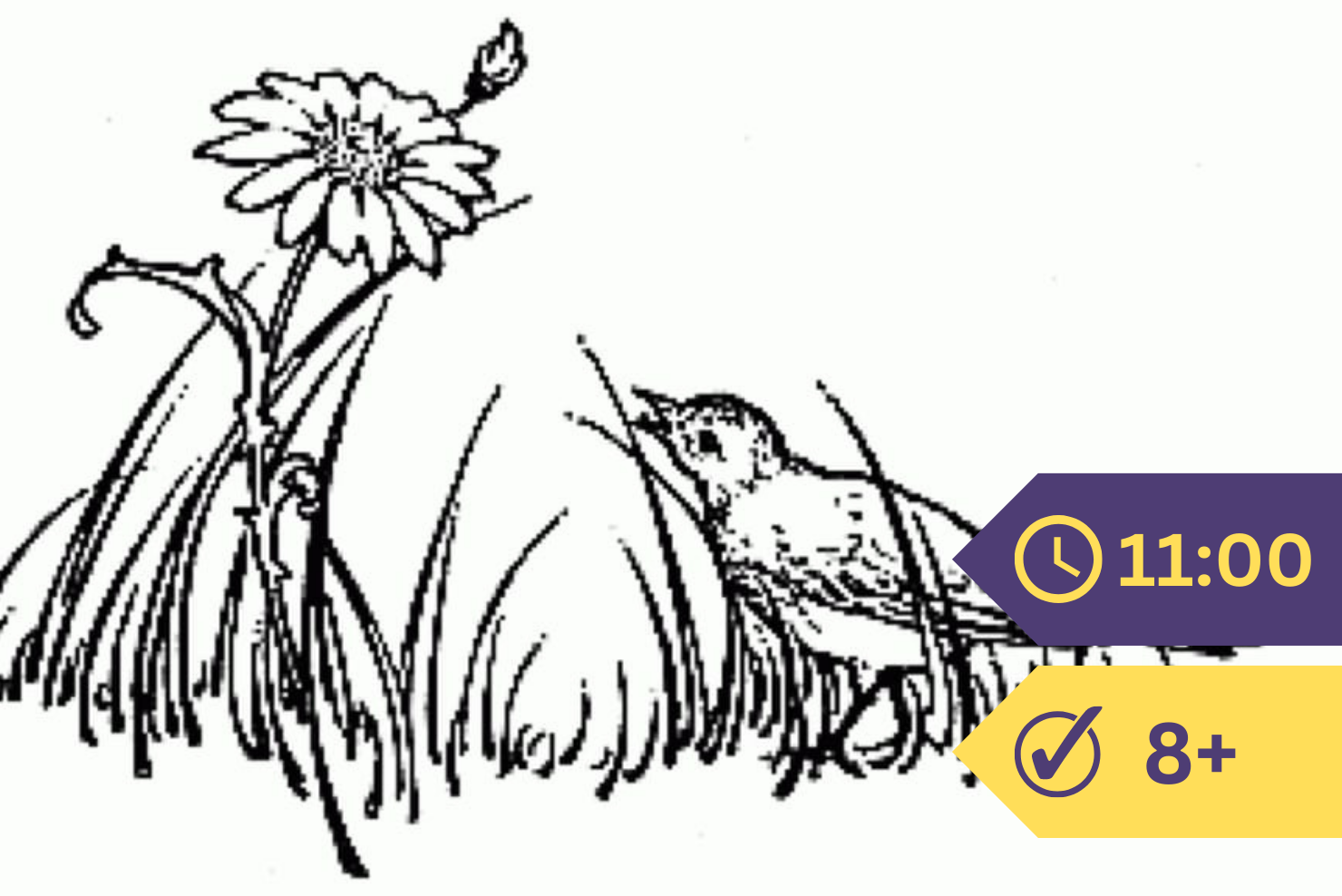
The Daisy follows soft the Sun,
And when his golden walk is done,
Sits shyly at his feet.
He, walking, finds the flower near.
“Wherefore, marauder, art thou here?
“Because, sir, love is sweet!”

We are the flower, Thou the sun!
Forgive us, if as days decline,
We nearer steal to Thee,—
Enamoured of the parting west,
The peace, the flight, the amethyst,
Night’s possibility!


Credits

Emily Dickinson (1830–1886) was an American poet whose work, largely unpublished in her lifetime, would come to define a uniquely interior and unconventional voice in 19th-century literature. This poem's use of a daisy as a devotional speaker reflects Dickinson's lifelong fondness for flowers as symbolic figures, a theme woven throughout her letters and herbarium, which she began compiling as a teenager.