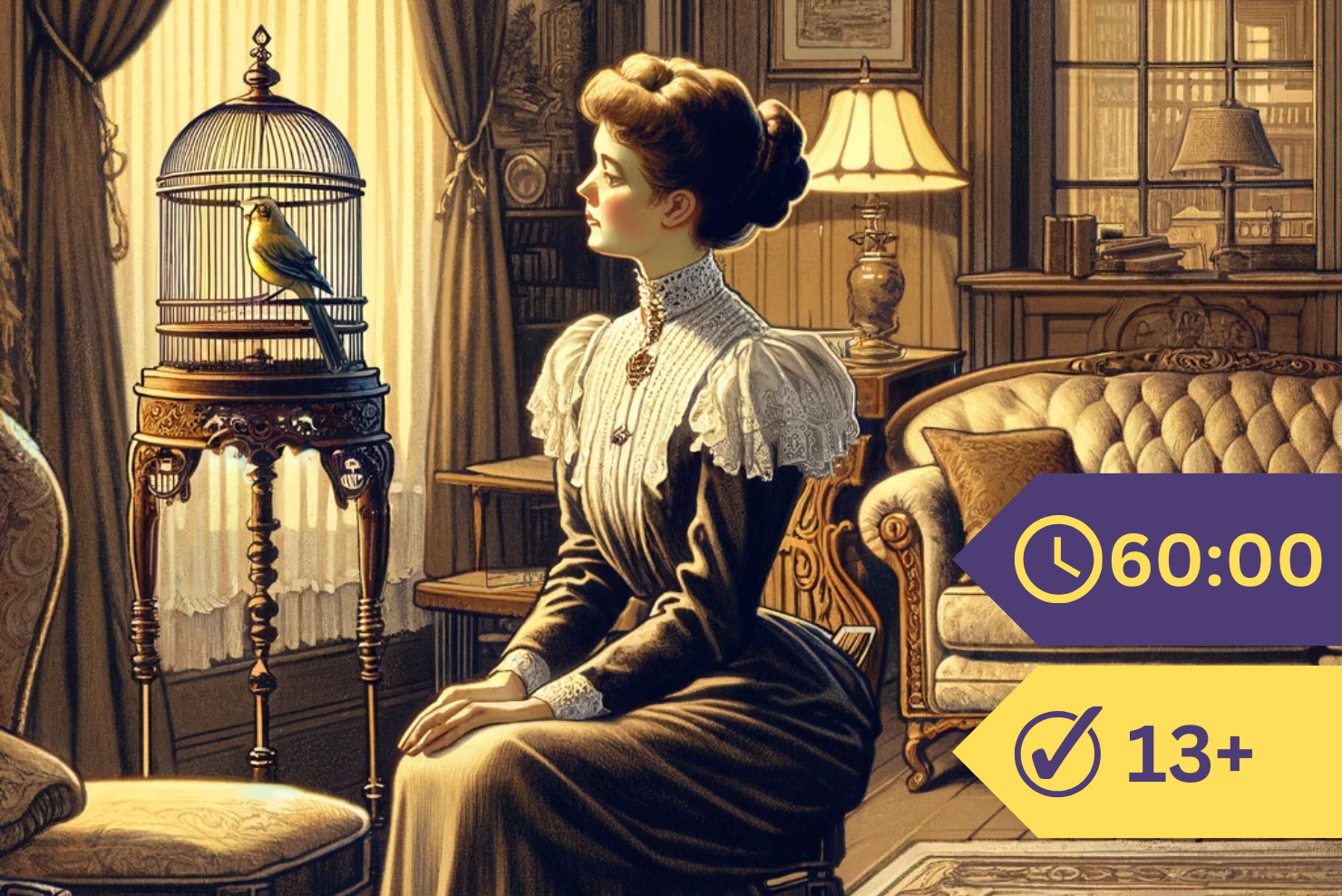
The heart asks pleasure first,
And then, excuse from pain;
And then, those little anodynes
That deaden suffering;
And then, to go to sleep;
And then, if it should be
The will of its Inquisitor,
The liberty to die.


 Read Anywhere, Anytime
The heart asks pleasure first,
And then, excuse from pain;
And then, those little anodynes
That deaden suffering;
And then, to go to sleep;
And then, if it should be
The will of its Inquisitor,
The liberty to die.
This poem was written by Emily Dickinson, one of America's most celebrated poets, who lived a famously reclusive life in Amherst, Massachusetts during the 19th century. Known for her unconventional use of dashes and slant rhyme, Dickinson wrote nearly 1,800 poems, most of which were published only after her death in 1886. This particular poem is often associated with the 1993 film The Piano, where it was used to haunting effect in the score.