Except to heaven, she is nought

Summary


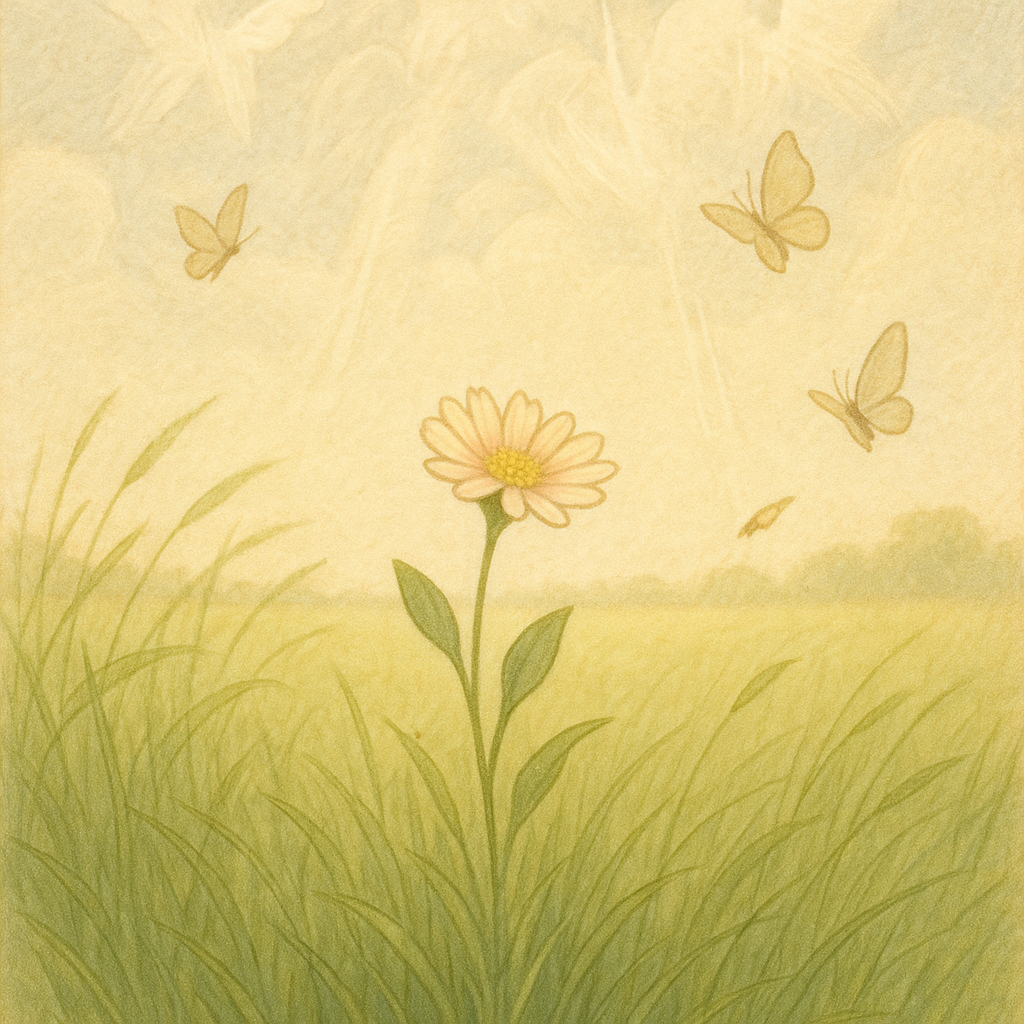
"Except to Heaven, She is Nought" is a short poem by Emily Dickinson that contemplates the overlooked beauty of a single wildflower. Unnoticed by the wider world, she is known only to bees, butterflies, and wandering winds — yet her quiet presence gives meaning to everything around her. Dickinson builds a moving tension between invisibility and irreplaceable worth, culminating in the striking idea that removing something so small could strip existence itself of its sense of home.

Read Online

Expect to heaven, she is nought;
Except for angels, lone;
Except to some wide-wandering bee,
A flower superfluous blown;

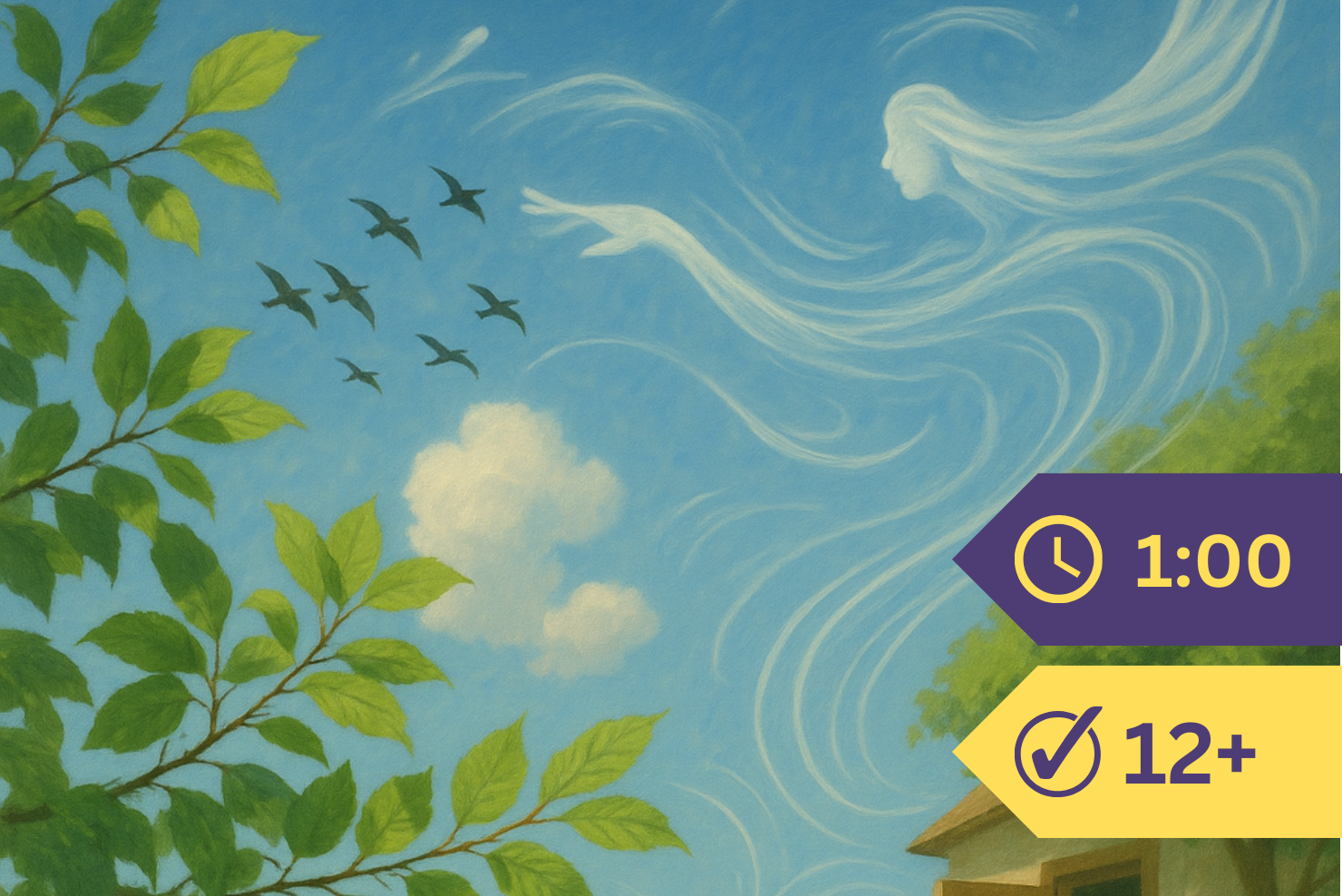
Except for winds, provincial;
Except by butterflies,
Unnoticed as a single dew
That on the acre lies.

The smallest housewife in the grass,
Yet take her from the lawn,
And somebody has lost the face
That made existence home!

Credits

Emily Dickinson was a 19th-century American poet now regarded as one of the most original voices in literary history, though she published very little during her lifetime. Known for her compressed style, unconventional punctuation, and profound meditations on nature and mortality, this poem exemplifies her gift for finding vast emotional significance in the smallest, most overlooked corners of the natural world.