The Wind

Summary


"The Wind" by Emily Dickinson traces the poet's deep, almost reverent response to the sound of wind moving through trees — a melody she describes as "phraseless" yet more charged with meaning than any human speech. Dickinson personifies the wind as a hand brushing the sky, its fingers trailing tunes permitted only to gods and herself. As winds circle and birds gather overhead like an orchestra, she pleads on behalf of anyone who has never heard this solemn, invisible chant rise through the boughs.

Read Online

Of all the sounds despatched abroad,
There’s not a charge to me
Like that old measure in the boughs,
That phraseless melody

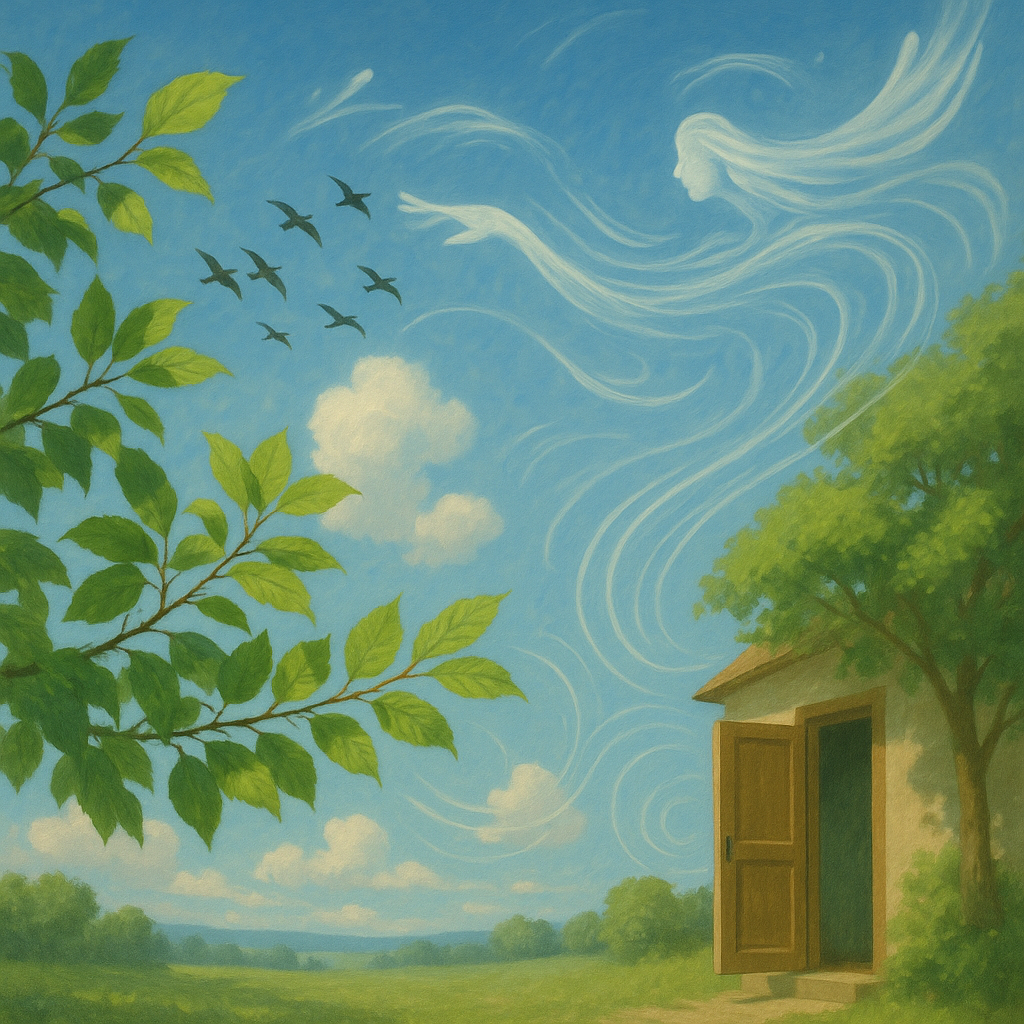
The wind does, working like a hand
Whose fingers brush the sky,
Then quiver down, with tufts of tune
Permitted gods and me.

When winds go round and round in bands,
And thrum upon the door,
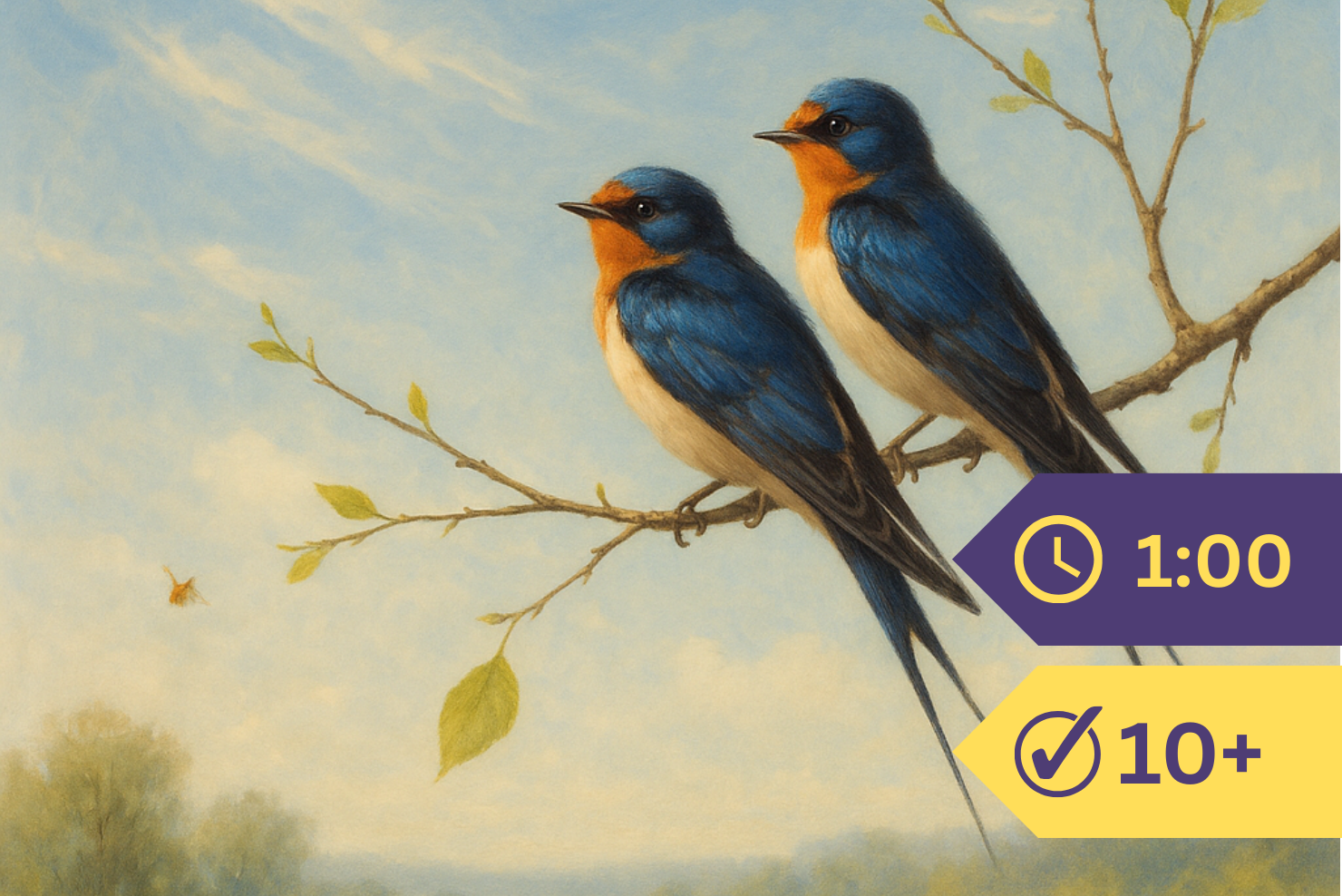
And birds take places overhead,
To bear them orchestra,

I crave him grace, of summer boughs,
If such an outcast be,
He never heard that fleshless chant
Rise solemn in the tree,

As if some caravan of sound
On deserts, in the sky,
Had broken rank,
Then knit, and passed
In seamless company.

Credits

Emily Dickinson (1830–1886) was an American poet whose highly original verse explored nature, death, and inner life with striking compression and unconventional punctuation. One of the most reclusive and prolific writers of the 19th century, she published fewer than a dozen poems during her lifetime — yet left behind nearly 1,800. In "The Wind," her characteristic dashes and slant rhymes mirror the very unpredictability of the natural force she so tenderly describes.