Summary


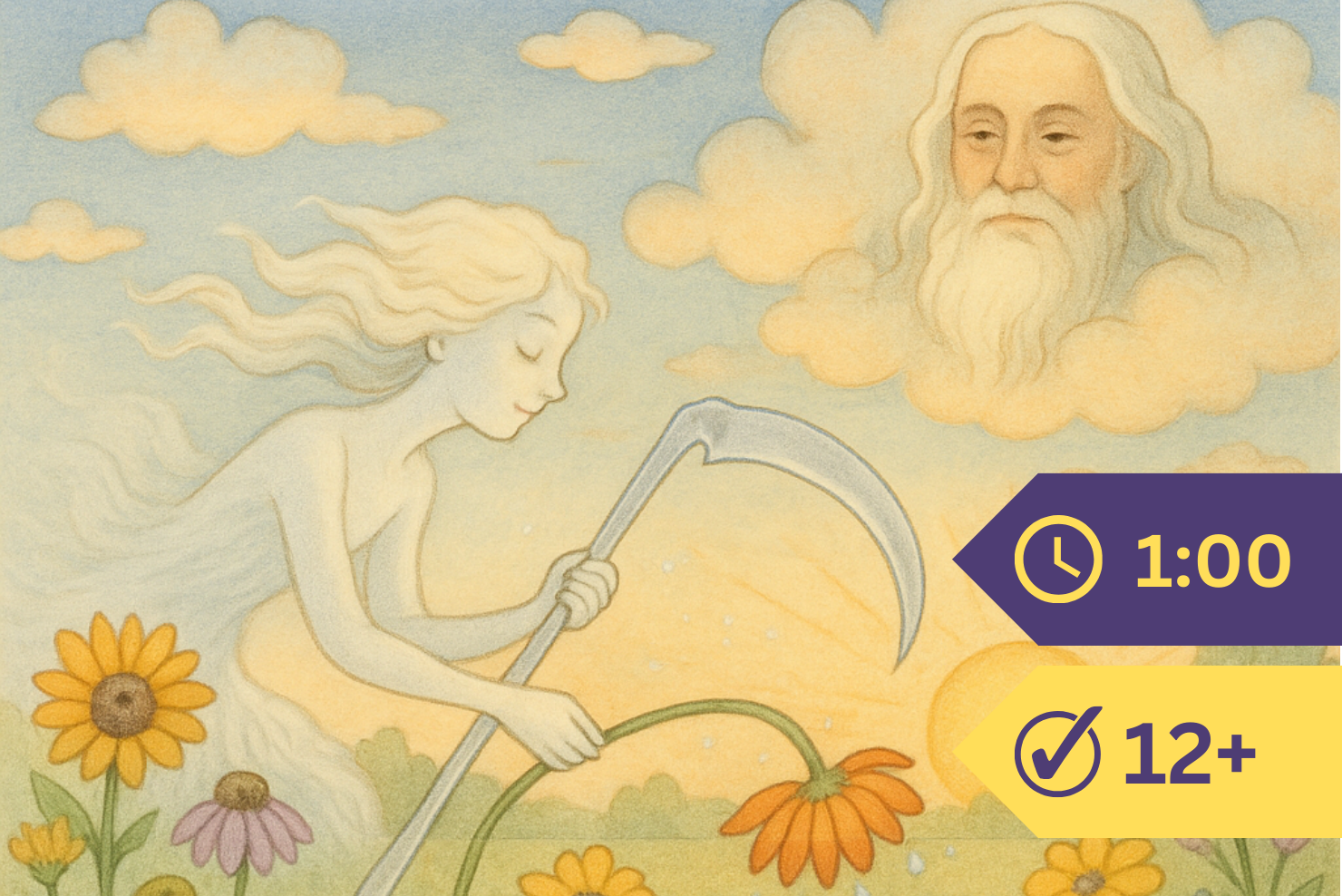
"Dying" is a short poem by Emily Dickinson in which a speaker narrates the gradual dimming of sensation as death approaches. Time distorts — noon holds still, dusk falls without dew, feet grow heavy while fingers remain alert. The speaker notices her own fading presence with calm detachment, questioning why she makes so little sound in the world. In the final lines, Dickinson brings the poem to a striking point of lucid reckoning: awareness and dissolution meeting without fear.

Read Online

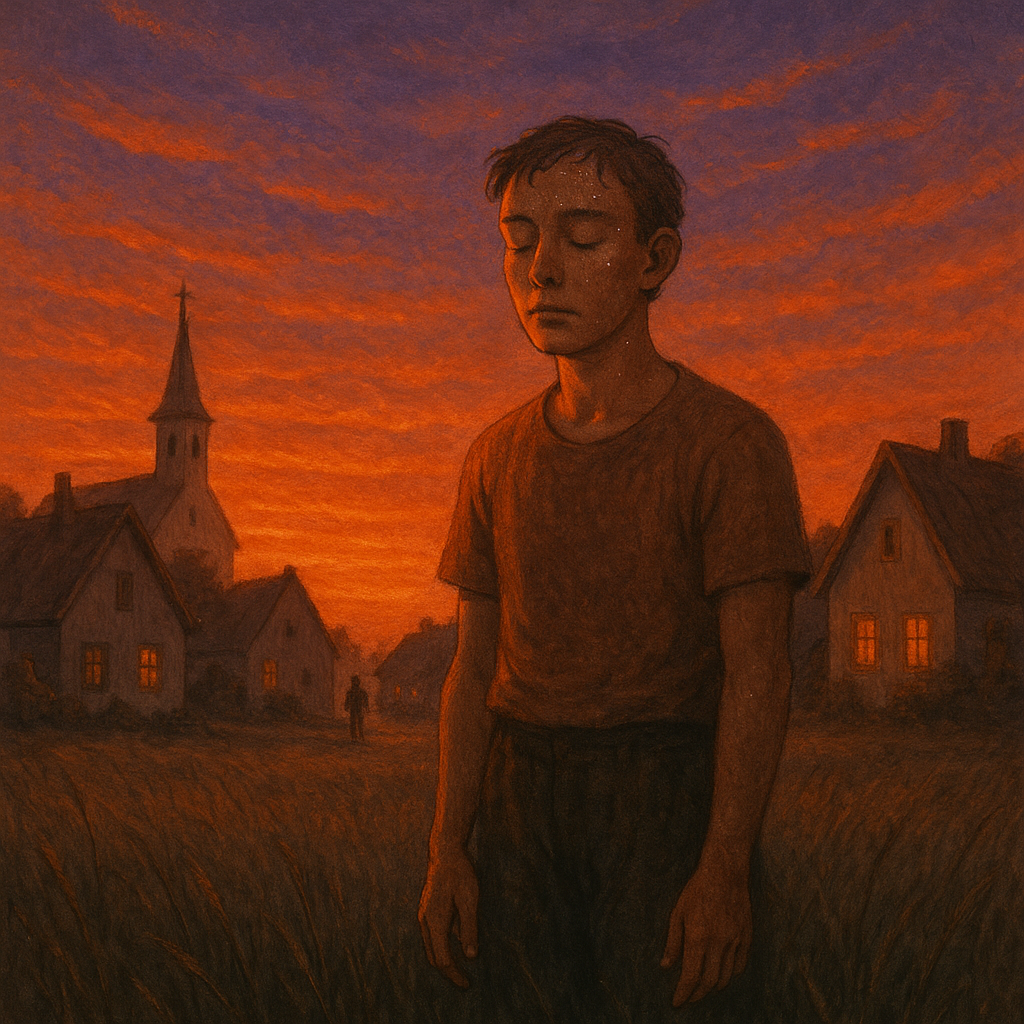
The sun kept setting, setting still;
No hue of afternoon
Upon the village I perceived,—
From house to house ‘t was noon.

The dusk kept dropping, dropping still;
No dew upon the grass,
But only on my forehead stopped,
And wandered in my face.

My feet kept drowsing, drowsing still,
My fingers were awake;
Yet why so little sound myself
Unto my seeming make?

How well I knew the light before!
I could not see it now.
‘T is dying, I am doing; but
I’m not afraid to know.

Credits

Emily Dickinson (1830–1886) was an American poet now regarded as one of the most original voices in literary history, though she published fewer than a dozen poems during her lifetime. "Dying" exemplifies her fascination with death as a conscious, observable experience — rendered here through the intimate perspective of a speaker who watches her own senses quietly withdraw.