A House upon the Height

Summary


"A House upon the Height" is a short poem by Emily Dickinson that turns a lonely hilltop house into a riddle. No wagon ever reached it, no peddler approached, and no chimney smoke ever rose. Its windows catch the first sunrise and the last sunset, then hold only empty panes. Neighbors guess at the fate of the house's owner, but no one speaks of it. The poem's mood is hushed and eerie, and it leaves its central mystery unsolved.

Listen to audio


Read Online

A House upon the Height—
That Wagon never reached—
No Dead, were ever carried down—
No Peddler’s Cart—approached—

Whose Chimney never smoked—
Whose Windows—Night and Morn—
Caught Sunrise first—and Sunset—last—
Then—held an Empty Pane—
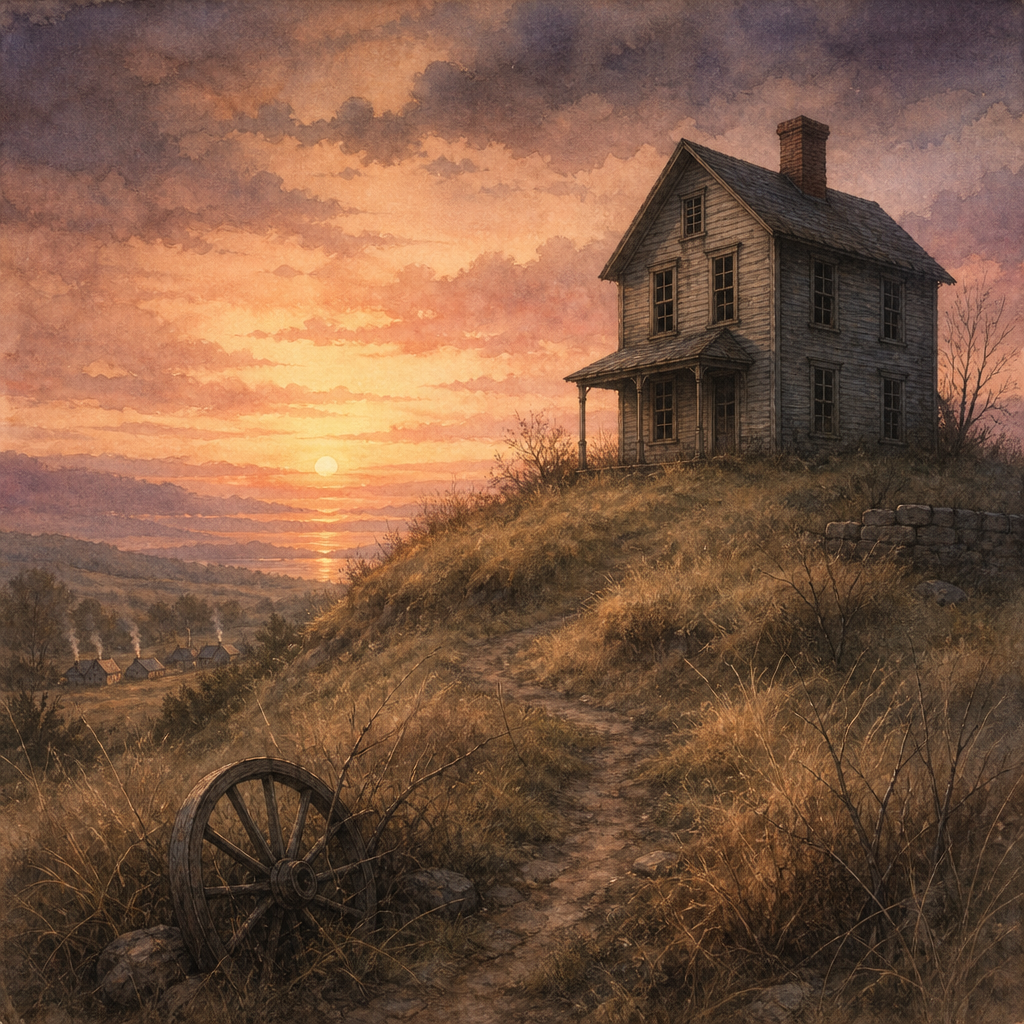
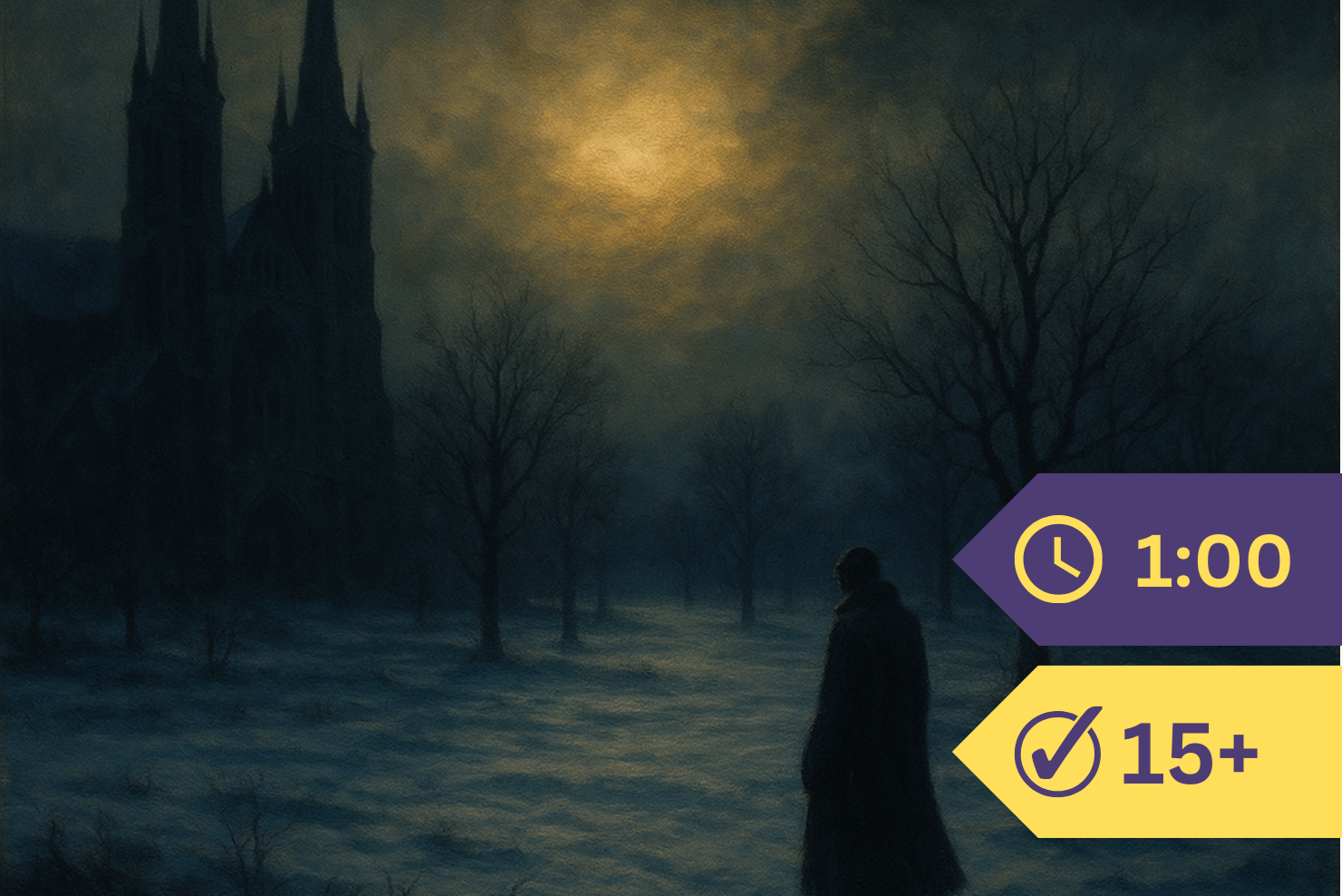
An empty hilltop house with dark windows glowing in the sunset, illustrating Emily Dickinson's poem A House upon the Height.

Whose fate—Conjecture knew—
No other neighbor—did—
And what it was—we never lisped—
Because He—never told—


Add Ririro as a Preferred Source on Google


Credits

Emily Dickinson was a 19th-century American poet from Amherst, Massachusetts, known for her compact, dash-filled verse and her fascination with mortality and mystery. Most of her poems were published only after her death, and this one shows her gift for suggesting a whole story in just a few lines.