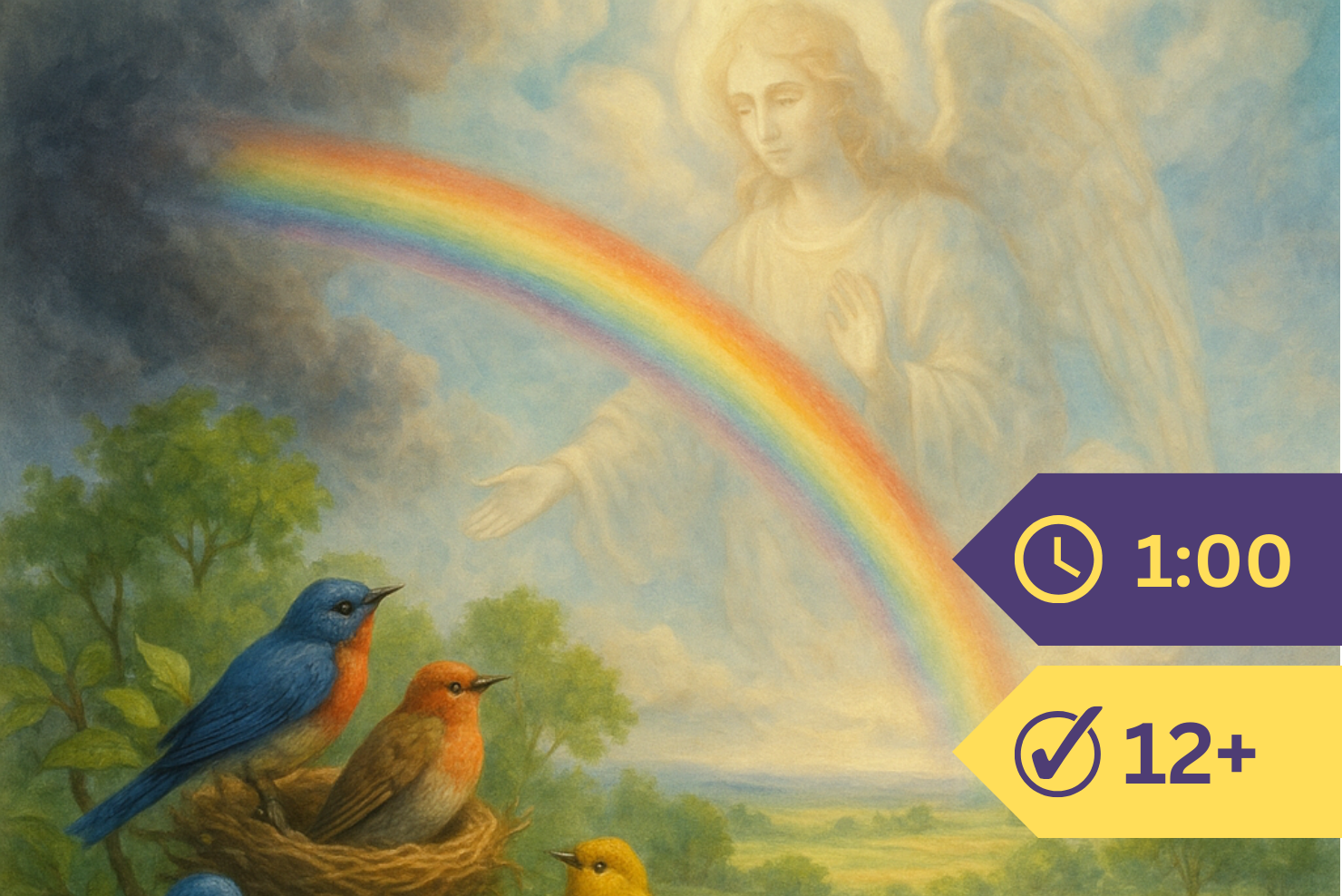
Departed to the judgment,
A mighty afternoon;
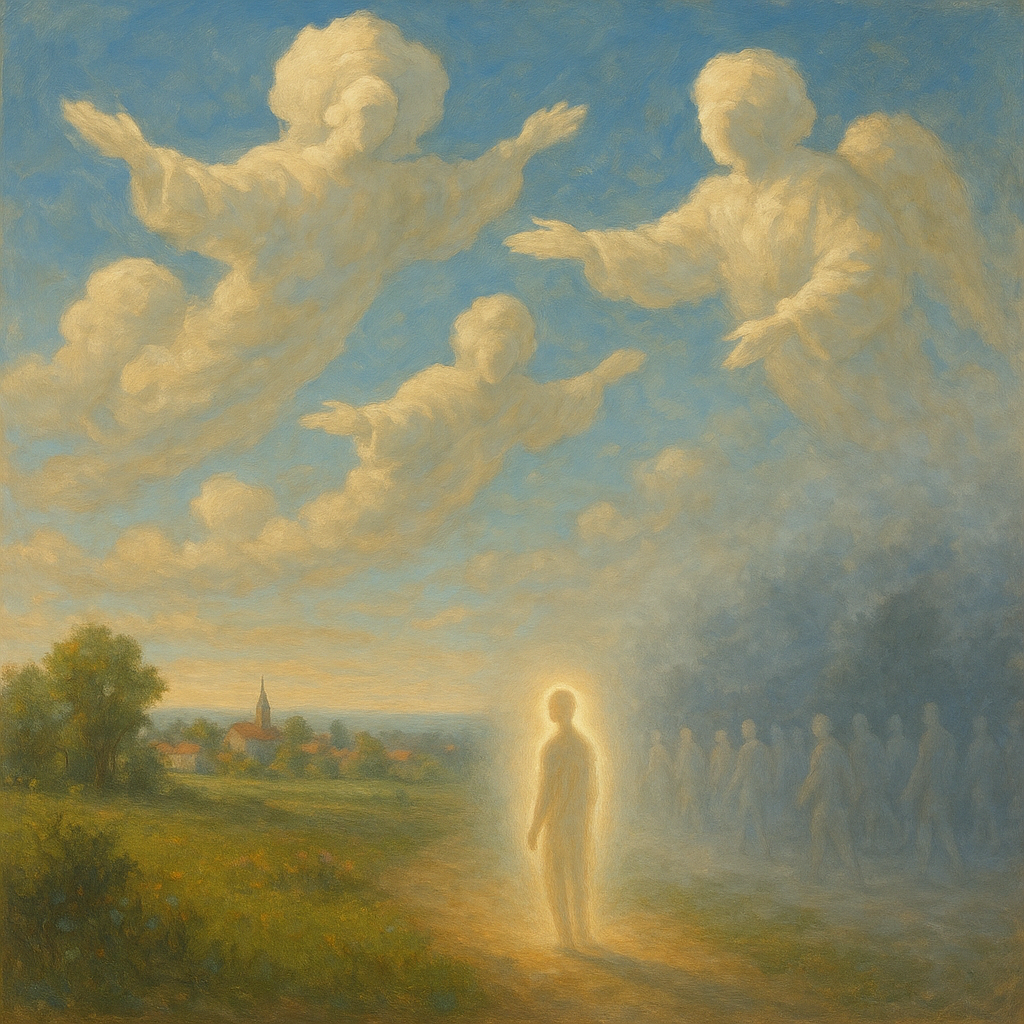
Great clouds like ushers leaning,
Creation looking on.
The flesh surrendered, cancelled,
The bodiless begun;
Two worlds, like audiences, disperse
And leave the soul alone.

 Read Anywhere, Anytime
Departed to the judgment,
A mighty afternoon;
Great clouds like ushers leaning,
Creation looking on.
The flesh surrendered, cancelled,
The bodiless begun;
Two worlds, like audiences, disperse
And leave the soul alone.
Emily Dickinson was a 19th-century American poet whose radical compression of language and unconventional punctuation set her apart from nearly every contemporary voice. Though she published very few poems during her lifetime, her posthumous work reshaped the course of American poetry. "Astra Castra" — Latin for "the stars are my camp" — reflects her lifelong preoccupation with death as threshold rather than terminus.