The Frogs and the Ox

Summary


"The Frogs and the Ox" is one of Aesop's sharpest fables about pride and the danger of self-inflation. When an Ox accidentally crushes a young frog at the water's edge, the old Frog refuses to believe anything could truly be bigger than herself. Desperate to match the size of the great beast her siblings describe, she puffs herself up again and again — each boast larger than the last — as the gap between her pride and reality grows dangerously wide.

Listen to audio


Read Online

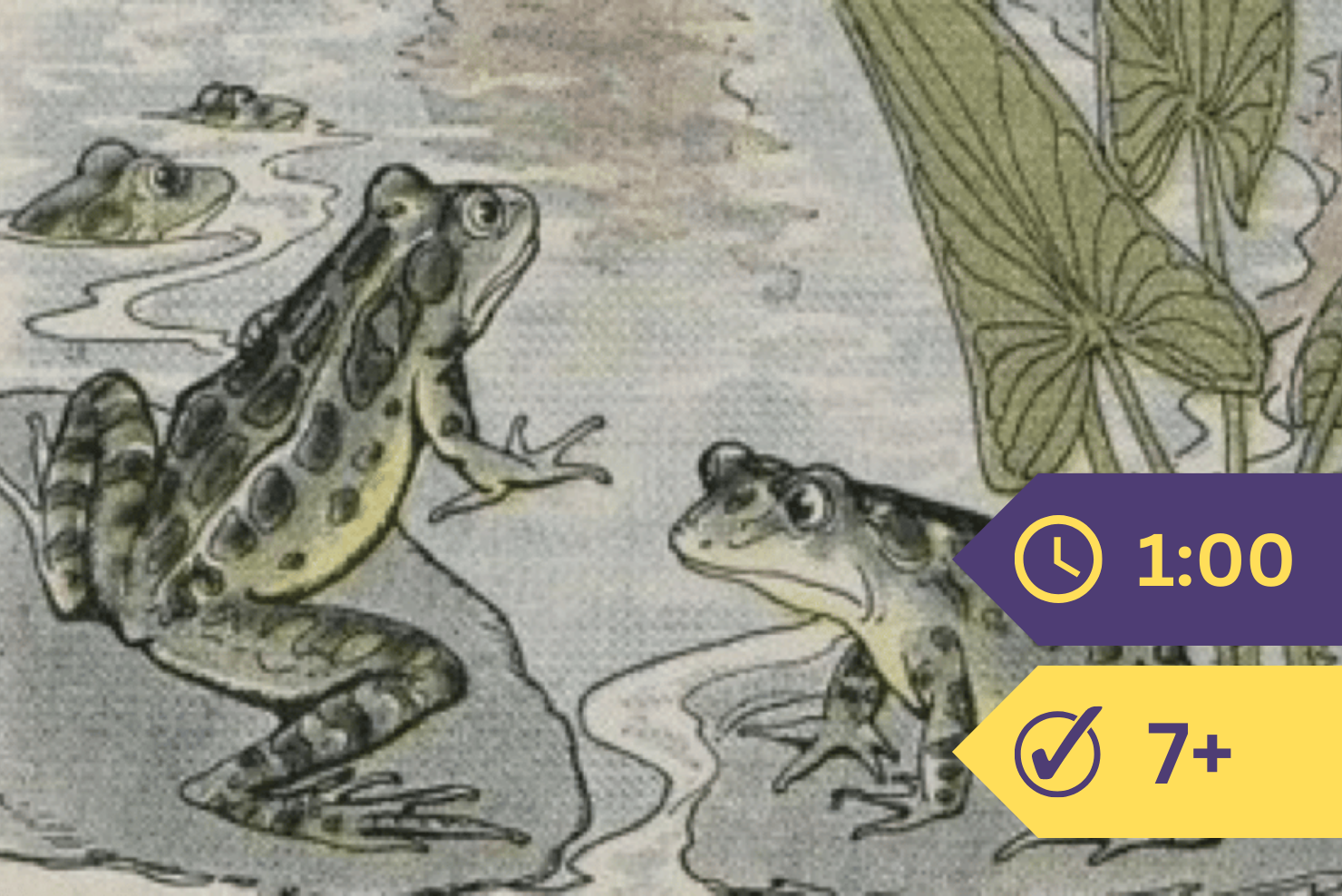
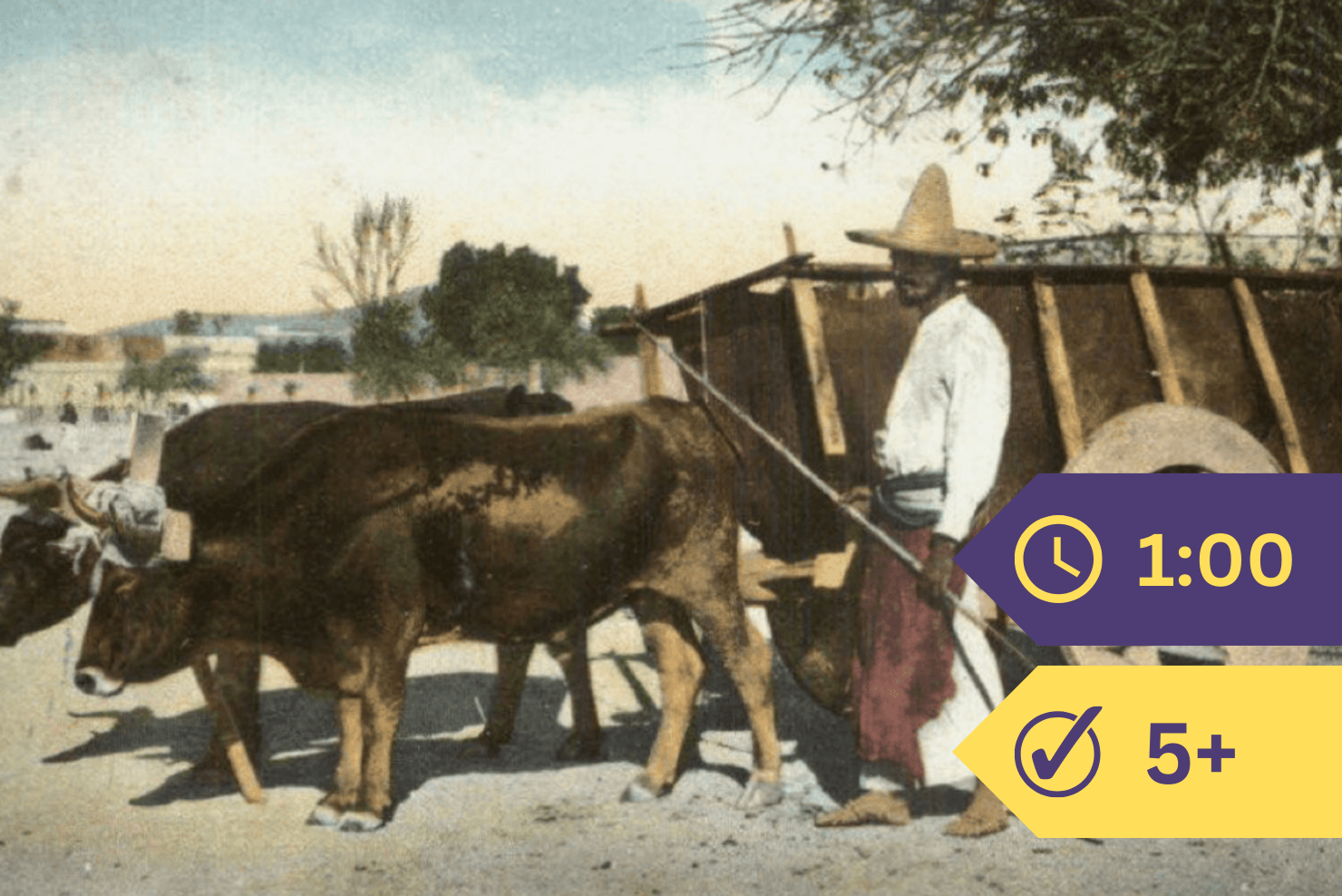
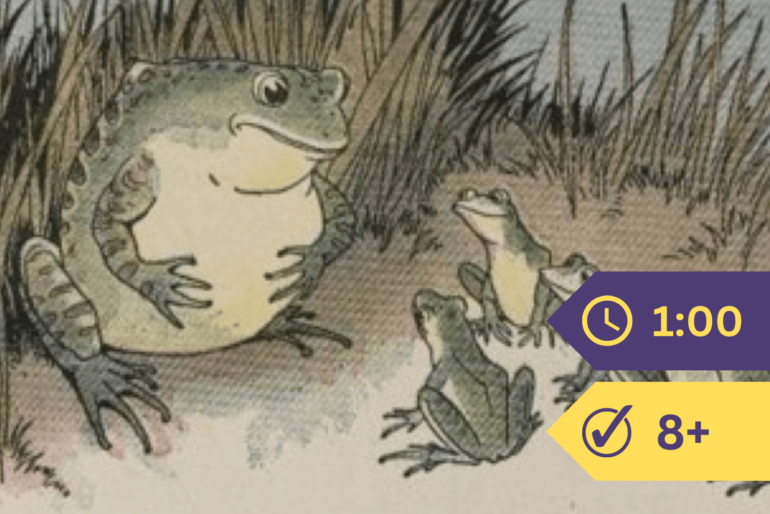
An Ox came down to a reedy pool to drink. As he splashed heavily into the water, he crushed a young Frog into the mud. The old Frog soon missed the little one and asked his brothers and sisters what had become of him.

“A great big monster,” said one of them, “stepped on little brother with one of his huge feet!”

“Big, was he!” said the old Frog, puffing herself up. “Was he as big as this?”
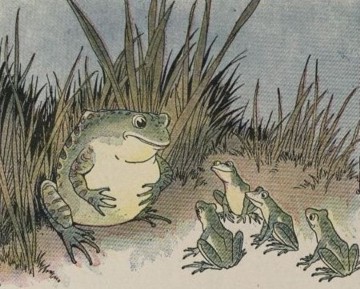
“Oh, much bigger!” they cried.

The Frog puffed up still more.

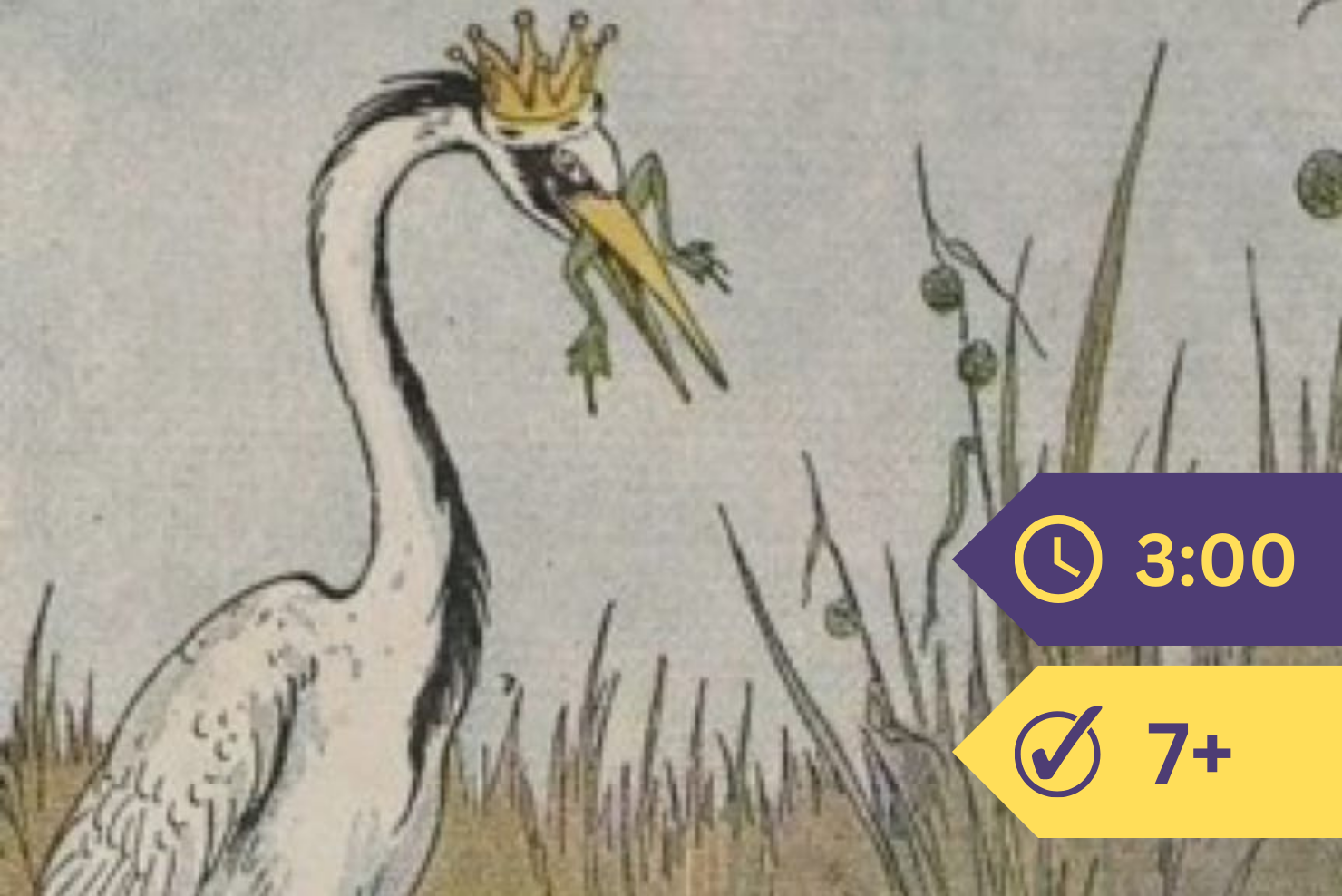
“He could not have been bigger than this,” she said. But the little Frogs all declared that the monster was much, much bigger and the old Frog kept puffing herself out more and more until, all at once, she burst.
Credits

Aesop was an ancient Greek storyteller, believed to have lived around 620–564 BCE, whose fables have shaped moral literature across centuries and cultures. His short animal tales were designed to deliver pointed life lessons, and "The Frogs and the Ox" is considered one of his most concise illustrations of vanity's self-destructive nature. The story has been retold and referenced by writers from Phaedrus to La Fontaine.