Rouge gagne

Summary


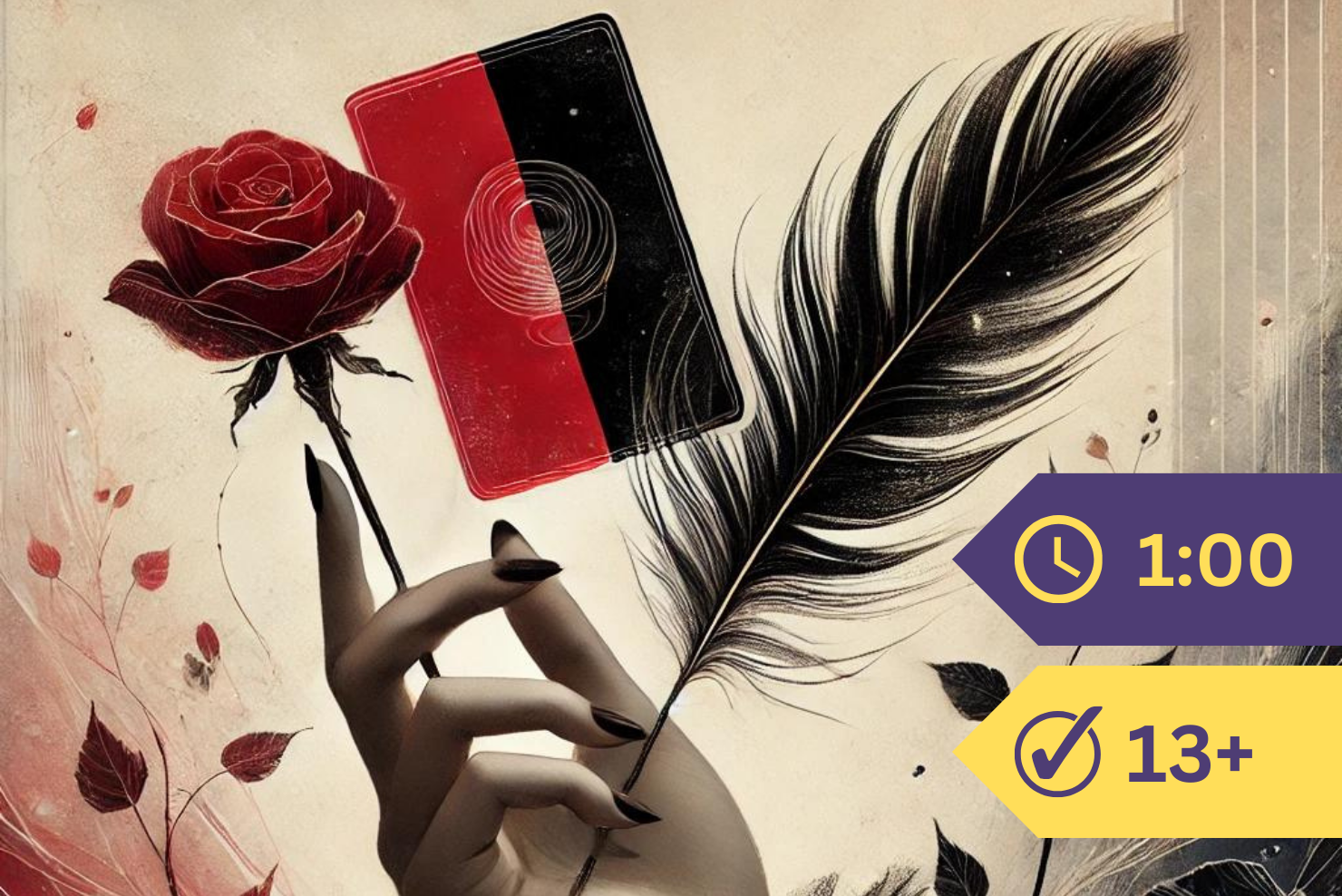
"Rouge gagne" is a short poem by Emily Dickinson that captures the trembling tension of risking everything on a single throw. The speaker stands at the razor's edge between triumph and failure, confessing that even defeat carries its own strange comfort — at least the worst is known. But it is the prospect of winning that overwhelms her most: the sudden, dizzying rush of joy so immense she fears it might shatter her entirely. The poem pulses with restrained ecstasy and quiet dread in equal measure.

Read Online

‘Tis so much joy! ‘Tis so much joy!
If I should fail, what poverty!
And yet, as poor as I
Have ventured upon a throw;
Have gained! Yes! Hesitated so
This side the victory!

Life is but life, and death but death!
Bliss is but bliss and breath but breath!
And if, indeed, I fail,
At least to know the worst is sweet.
Defeat means nothing but defeat,
No drearier can prevail!

And if I gain,—oh, gun at sea,
Oh, bells that in the steeples be,
At first repeat it slow!
For heaven is a different thing
Conjectured, and waked sudden in,
And might o’erwhelm me so!


Credits

Emily Dickinson (1830–1886) was an American poet now regarded as one of the most original voices in literary history, though she published fewer than a dozen poems during her lifetime. "Rouge gagne" — French for "red wins," a phrase from roulette — reflects her recurring fascination with gambling as a metaphor for the soul's deepest risks and longings.