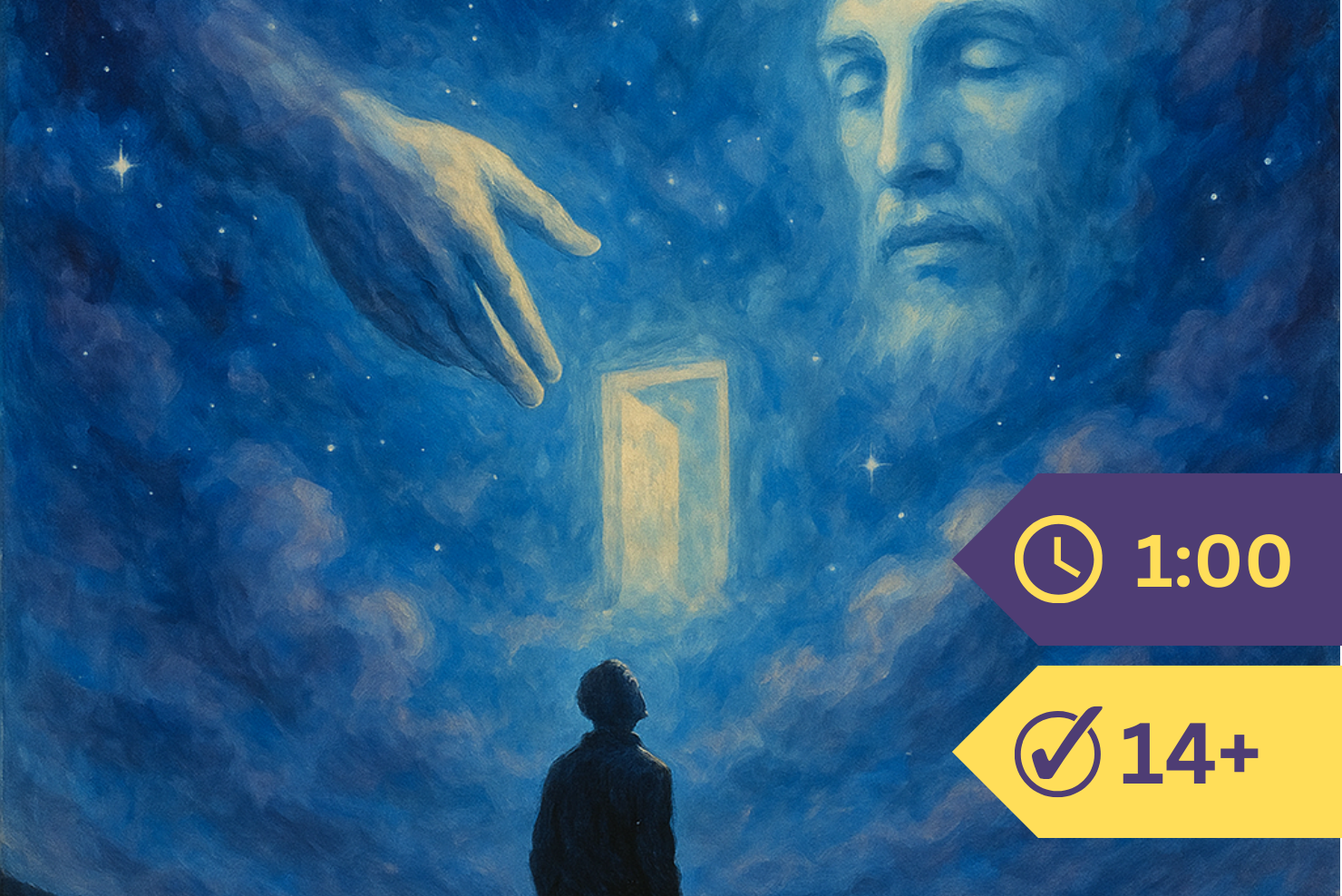
Rouge et Noir

Summary


"Rouge et Noir" by Emily Dickinson frames the soul's spiritual struggle as a high-stakes game of chance, where the odds are brutal — hundreds lost, only tens have won. The poem's speaker dares the soul to try again despite those odds, while angels hold their breath awaiting the outcome and imps eagerly raffle for what might be lost. In just two terse stanzas, Dickinson captures the terrifying gamble of faith, will, and moral survival with razor precision.

Read Online

Soul, wilt thou toss again?
By just such a hazard
Hundreds have lost, indeed,
But tens have won an all.

Angels’ breathless ballot
Lingers to record thee;
Imps in eager caucus
Raffle for my soul.


Credits

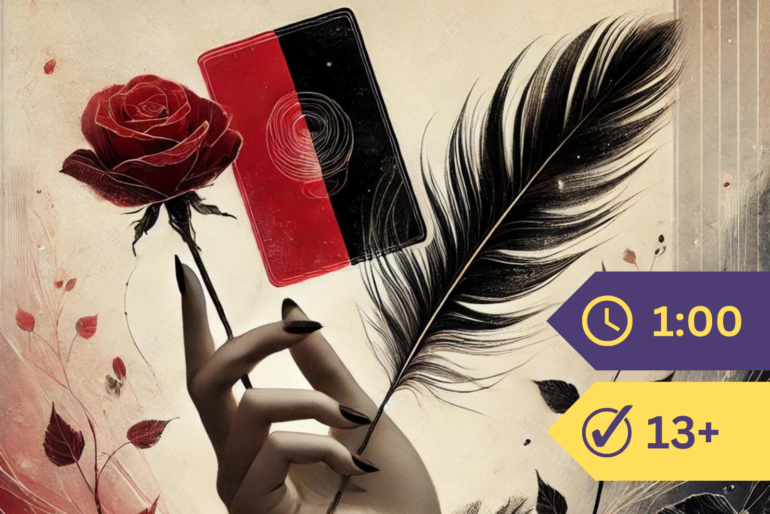
Emily Dickinson was a 19th-century American poet whose compressed, unconventional verse has made her one of the most studied writers in the English language. Known for slant rhyme and dashes, she published almost nothing during her lifetime, yet left behind nearly 1,800 poems. In "Rouge et Noir" — French for "Red and Black," the title of a gambling card game — she uses the imagery of chance and wagering to explore the precarious balance between salvation and damnation.