
Angels in the early morning

Summary


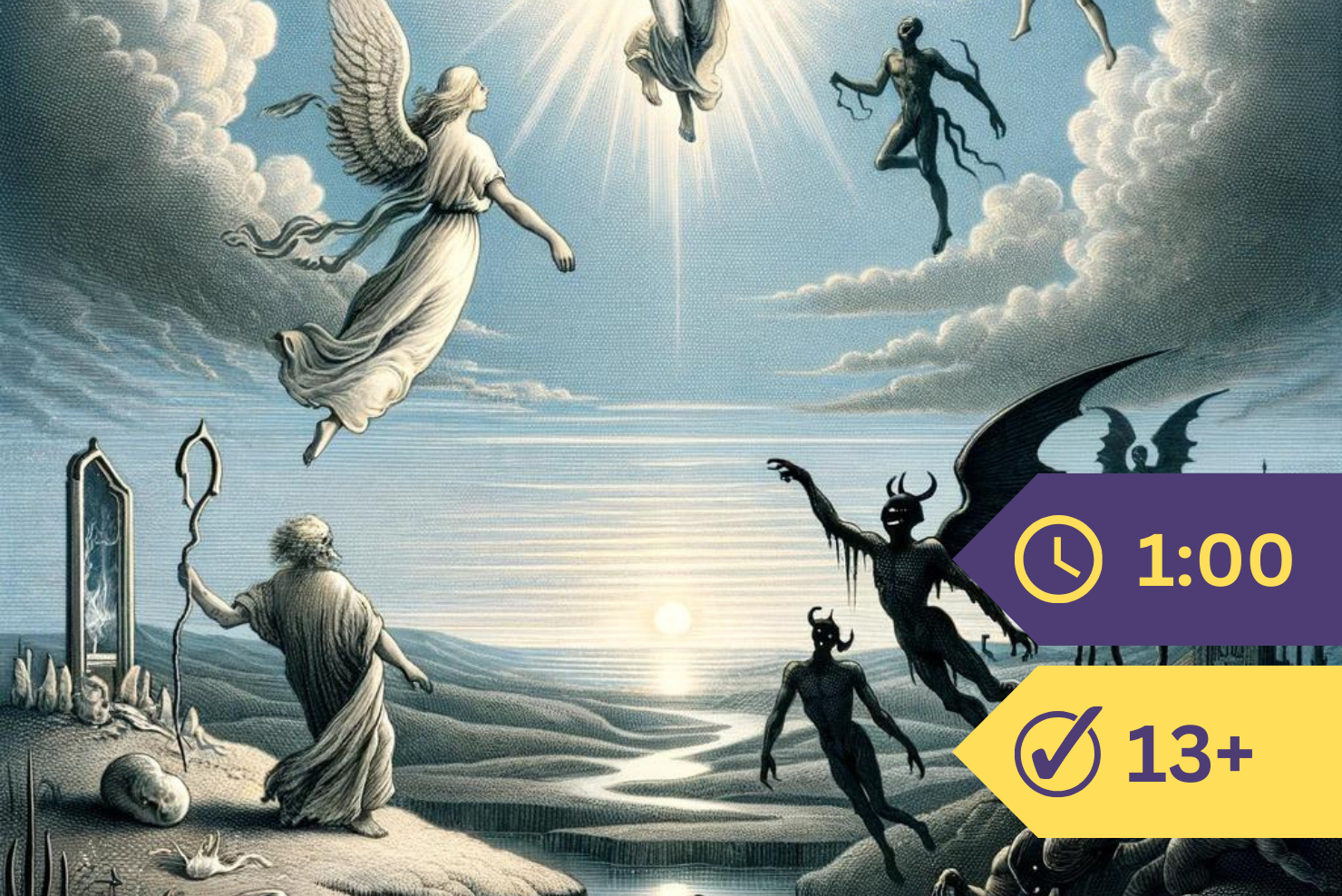
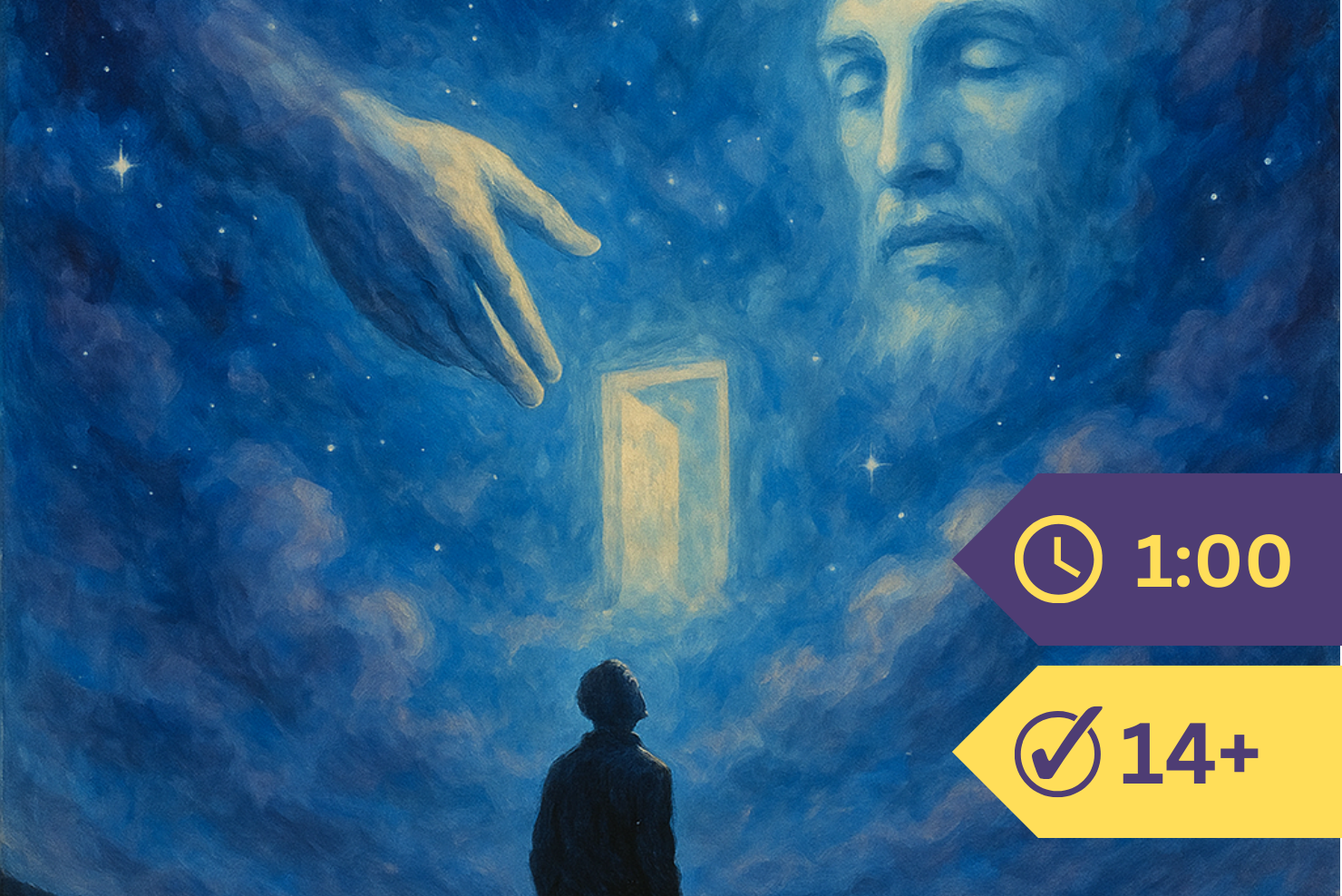
"Angels in the Early Morning" is a short poem by Emily Dickinson that captures two fleeting visions of angels moving through the natural world. In the cool of dawn, they stoop and pluck among the dew-covered buds with smiles; by the scorching heat of midday, they wander the sands sighing, carrying flowers already parched and spent. With quiet economy, Dickinson sets joy against grief, abundance against loss, asking whether beauty truly belongs to any who tend it — or whether it simply withers in their hands.

Read Online

Angels in the early morning
May be seen the dews among,
Stooping, plucking, smiling, flying:
Do the buds to them belong?

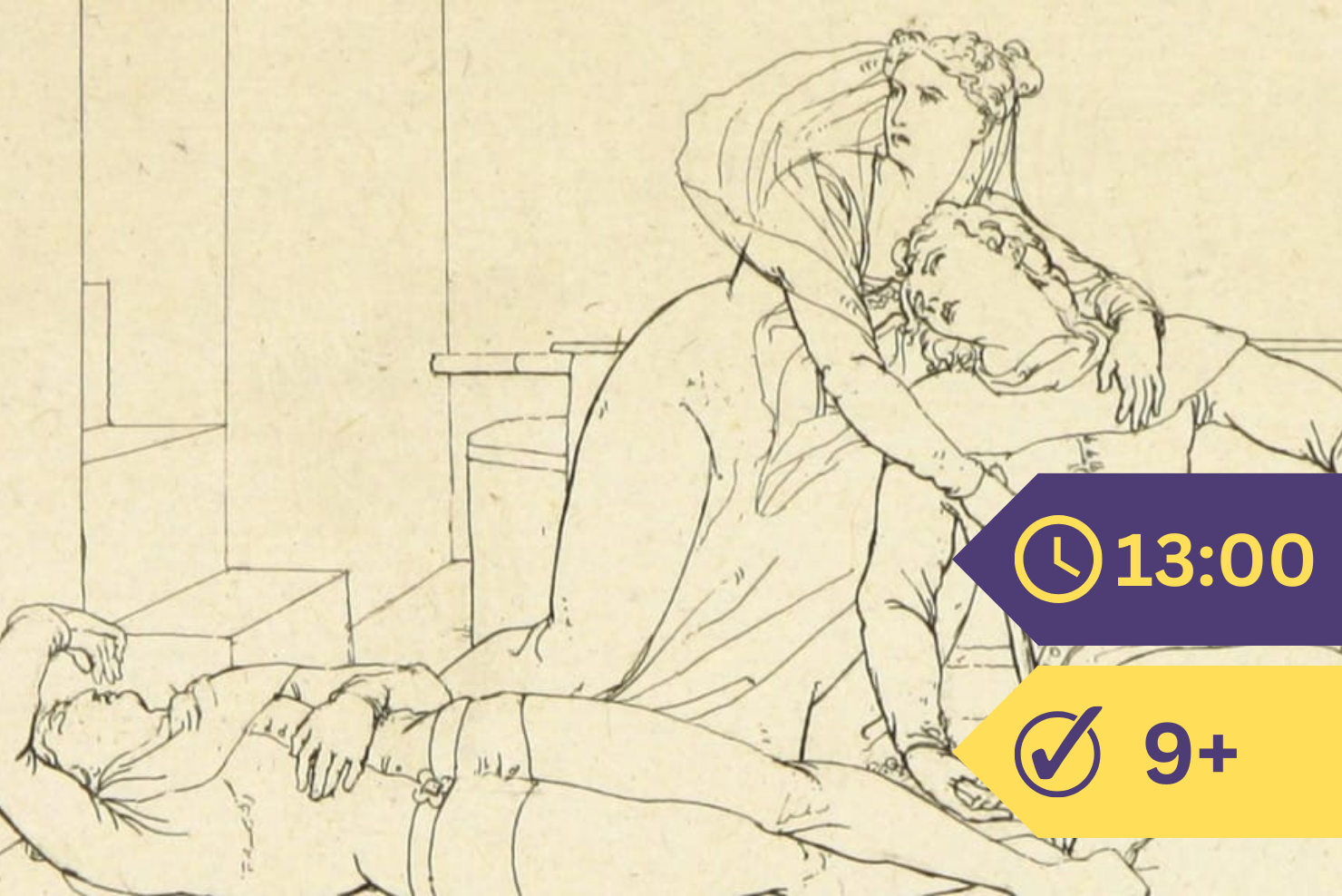
Angels when the sun is hottest
May be seen the sands among,
Stooping, plucking, sighing, flying;
Parched the flowers they bear along.


Credits

Emily Dickinson was an American poet of the 19th century, now considered one of the most original voices in English-language literature. Writing in near-total seclusion in Amherst, Massachusetts, she produced nearly 1,800 poems, the vast majority published only after her death. "Angels in the Early Morning" is among her early works, reflecting her characteristic use of nature imagery to explore spiritual ambiguity and the passage of time.