Too late

Summary


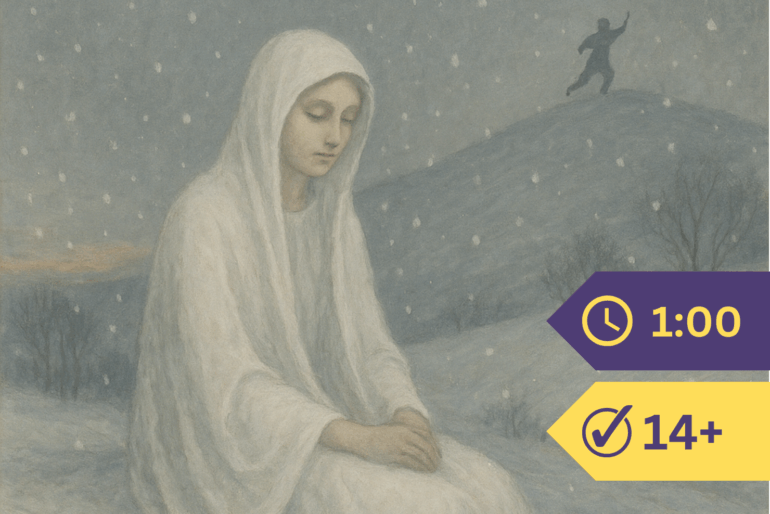
"Too Late" is a short poem by Emily Dickinson that meditates on the crushing weight of missed timing — a figure arrives to find a loved one already gone, her body cold, her breath fled by just an hour. Dickinson builds an aching sense of "what if": had the news come sooner, had joy travelled faster, might that surrendered face have lived? The poem closes with a quiet, unresolved question about whether such forgotten souls are ever claimed by victory.

Read Online

Delayed till she had ceased to know,
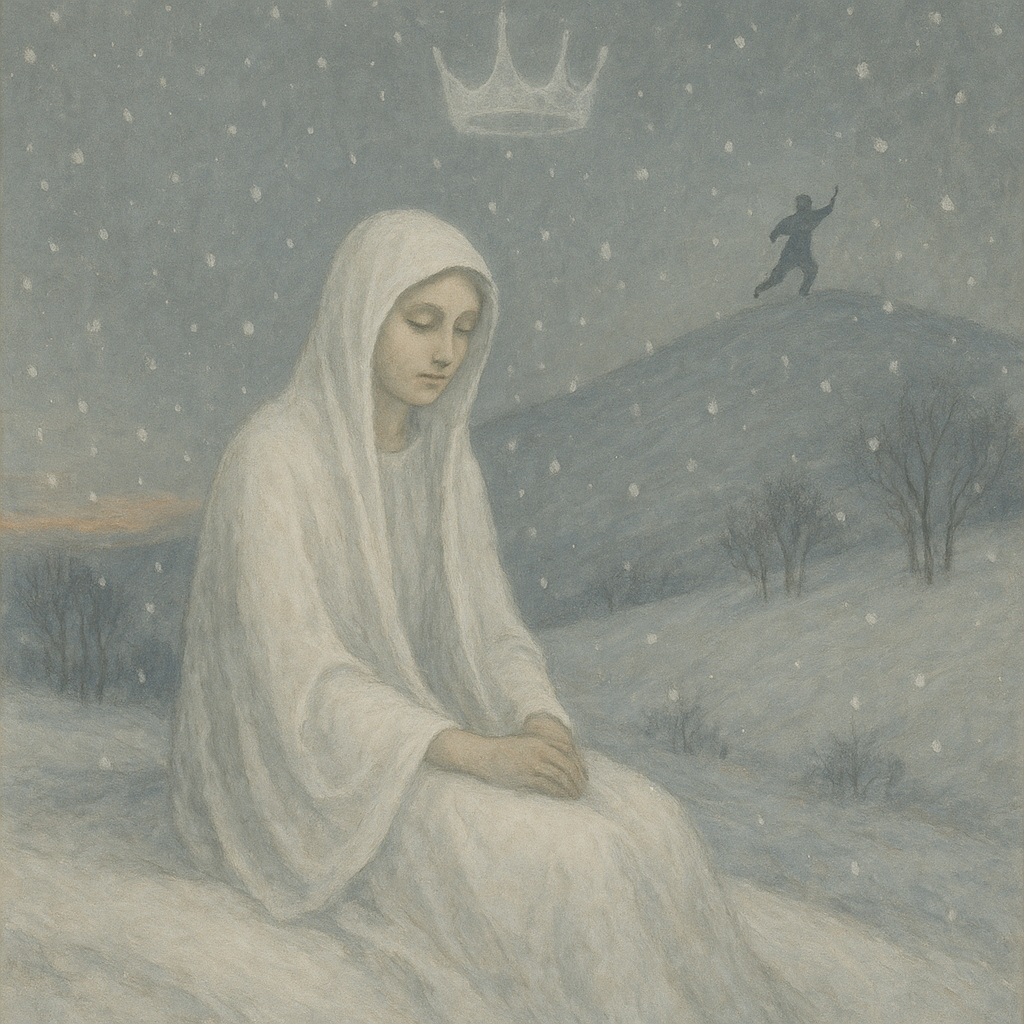
Delayed till in its vest of snow
Her loving bosom lay.
An hour behind the fleeting breath,
Later by just an hour than death,—
Oh, lagging yesterday!

Could she have guessed that it would be;
Could but a crier of the glee
Have climbed the distant hill;
Had not the bliss so slow a pace,—
Who knows but this surrendered face
Were undefeated still?

Oh, if there may departing be
Any forgot by victory
In her imperial round,
Show them this meek apparelled thing,
That could not stop to be a king,
Doubtful if it be crowned!

Credits

Emily Dickinson was a 19th-century American poet, now considered one of the most original voices in English literature, though she remained largely unpublished during her lifetime. Known for her compressed syntax, slant rhyme, and unflinching exploration of death and grief, she returned to these themes again and again with forensic intimacy. "Too Late" is a striking example of her ability to suspend an entire emotional catastrophe within just three spare stanzas.