To ——

Summary


"To ——" is a short poem by Edgar Allan Poe in which an unnamed beloved is conjured through fragmented, aching images — her lips like singing birds, her eyes falling like starlight upon a funeral shroud. The speaker drifts between waking sorrow and dreaming, clinging to truths no wealth can purchase while morning pulls him back to loss. In just three stanzas, Poe captures the bittersweet torment of loving someone who exists most vividly in the space between sleep and grief.

Listen to audio


Read Online

1
The bowers whereat, in dreams, I see
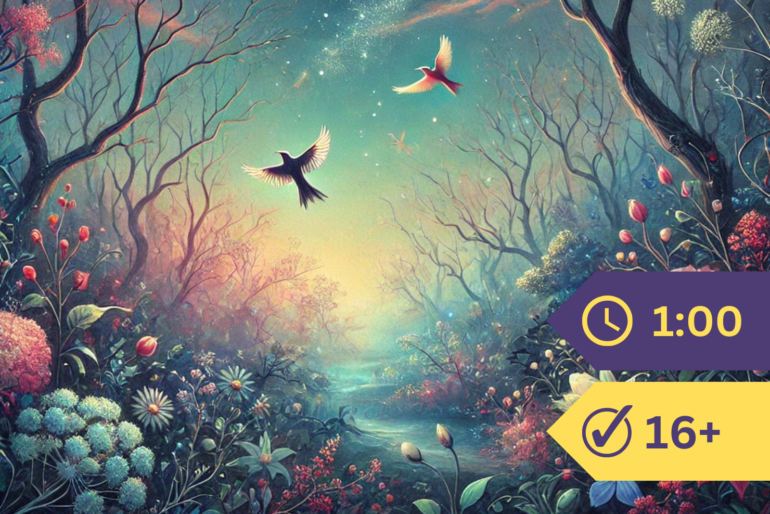
The wantonest singing birds
Are lips—and all thy melody
Of lip-begotten words—

2
Thine eyes, in Heaven of heart enshrined,
Then desolately fall,
O! God! on my funereal mind
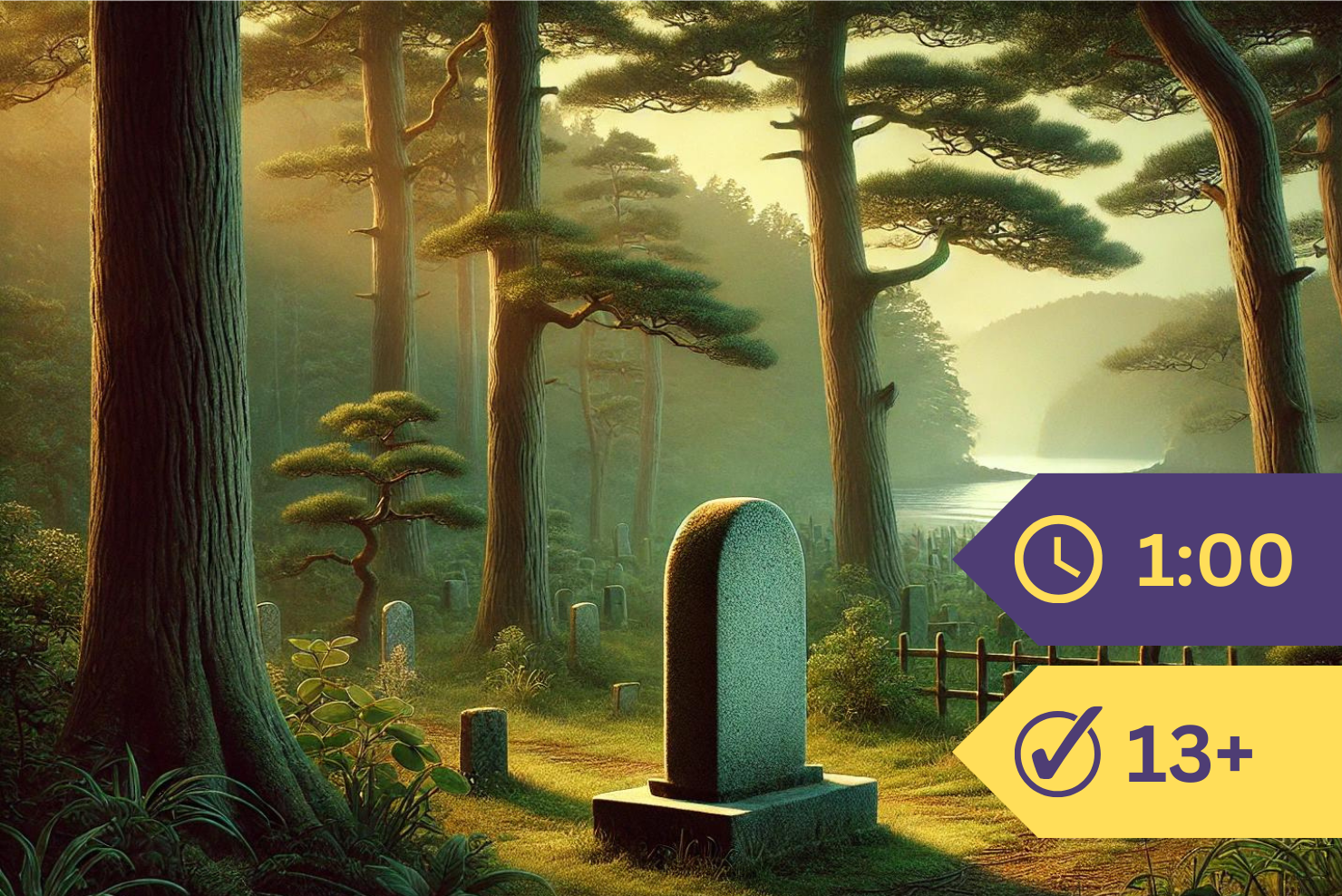
Like starlight on a pall—

3
Thy heart—thy heart!—I wake and sigh,
And sleep to dream till day
Of truth that gold can never buy—
Of the trifles that it may.


Credits

Edgar Allan Poe (1809–1849) was an American poet and writer renowned for his mastery of Gothic atmosphere and psychological intensity. "To ——" is one of several untitled address poems Poe wrote, their unnamed subjects thought to reflect the real and idealised women who shaped his turbulent emotional life. His ability to compress vast wells of longing into brief lyric forms remains one of the most distinctive qualities of his poetry.