Christ’s Nativity

Summary


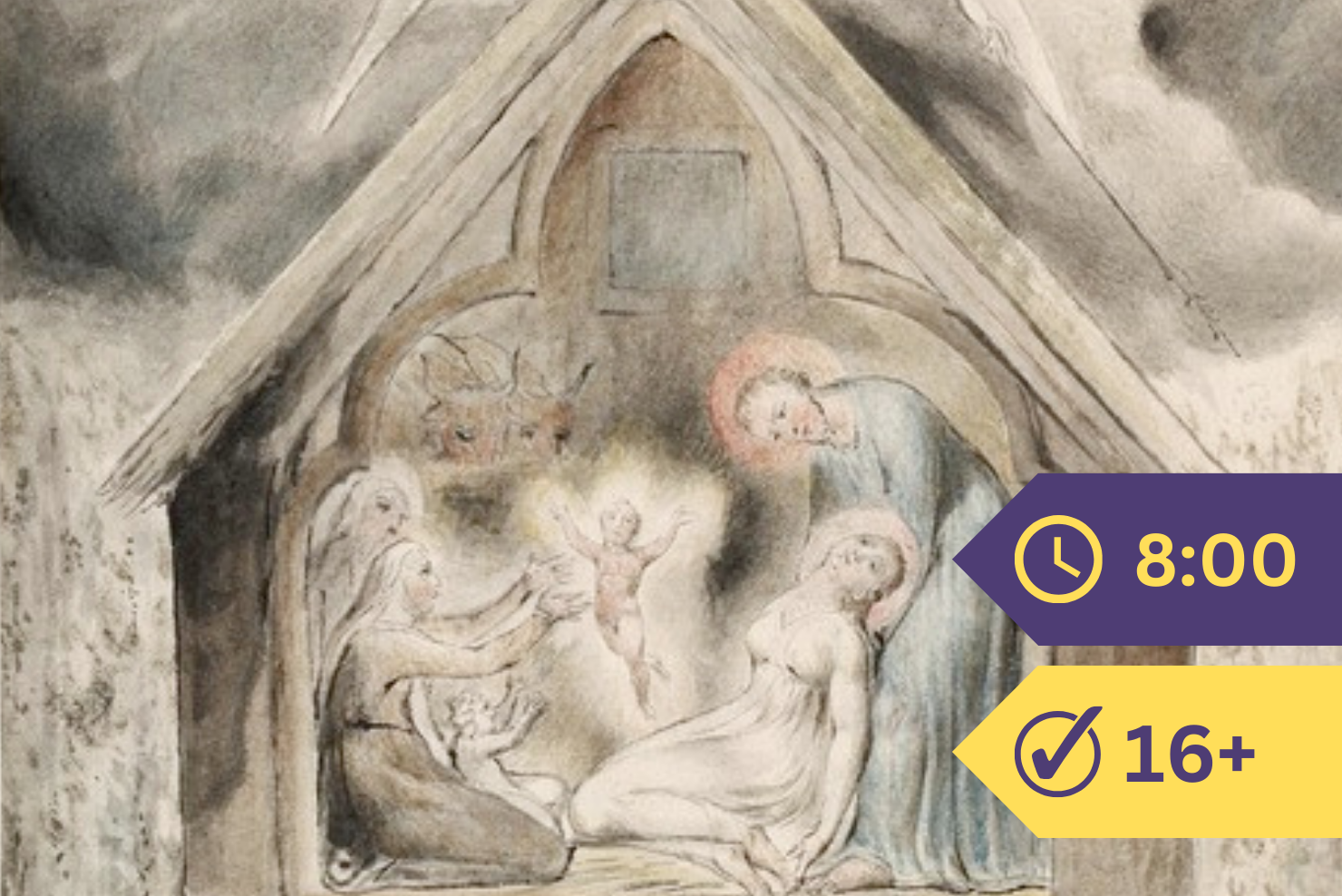
"Christ's Nativity" by Henry Vaughan is a devotional poem that opens with a joyful call to waken and celebrate the birth of a King — yet quickly turns inward. The speaker longs to be a bird or star, something pure enough to offer worthy praise, before confessing a darker truth: his own heart feels too filthy to welcome the divine. The poem's emotional power lies in this tension between radiant creation rejoicing freely and a soul that can only plead, humbly, to be made clean.

Read Online

Awake, glad heart! get up and sing!
It is the birth-day of thy King.
Awake! awake!
The Sun doth shake
Light from his locks, and all the way
Breathing perfumes, doth spice the day.

Awake, awake! hark how th’ wood rings;
Winds whisper, and the busy springs
A concert make;
Awake! awake!
Man is their high-priest, and should rise
To offer up the sacrifice.

I would I were some bird, or star,
Flutt’ring in woods, or lifted far
Above this inn
And road of sin!
Then either star or bird should be
Shining or singing still to thee.

I would I had in my best part
Fit rooms for thee! or that my heart
Were so clean as
Thy manger was!
But I am all filth, and obscene;
Yet, if thou wilt, thou canst make clean.

Sweet Jesu! will then. Let no more
This leper haunt and soil thy door!
Cure him, ease him,
O release him!
And let once more, by mystic birth,
The Lord of life be born in earth.


Credits

Henry Vaughan was a seventeenth-century Welsh metaphysical poet, often grouped with George Herbert and Thomas Traherne for his deeply spiritual verse. Known as "the Silurist" after the ancient tribe of his native Wales, Vaughan wrote much of his finest devotional work during a period of personal illness and political upheaval. "Christ's Nativity" reflects his characteristic movement from outward natural imagery — ringing woods, whispering winds — toward an intensely private reckoning with sin and grace.