To One In Paradise

Summary


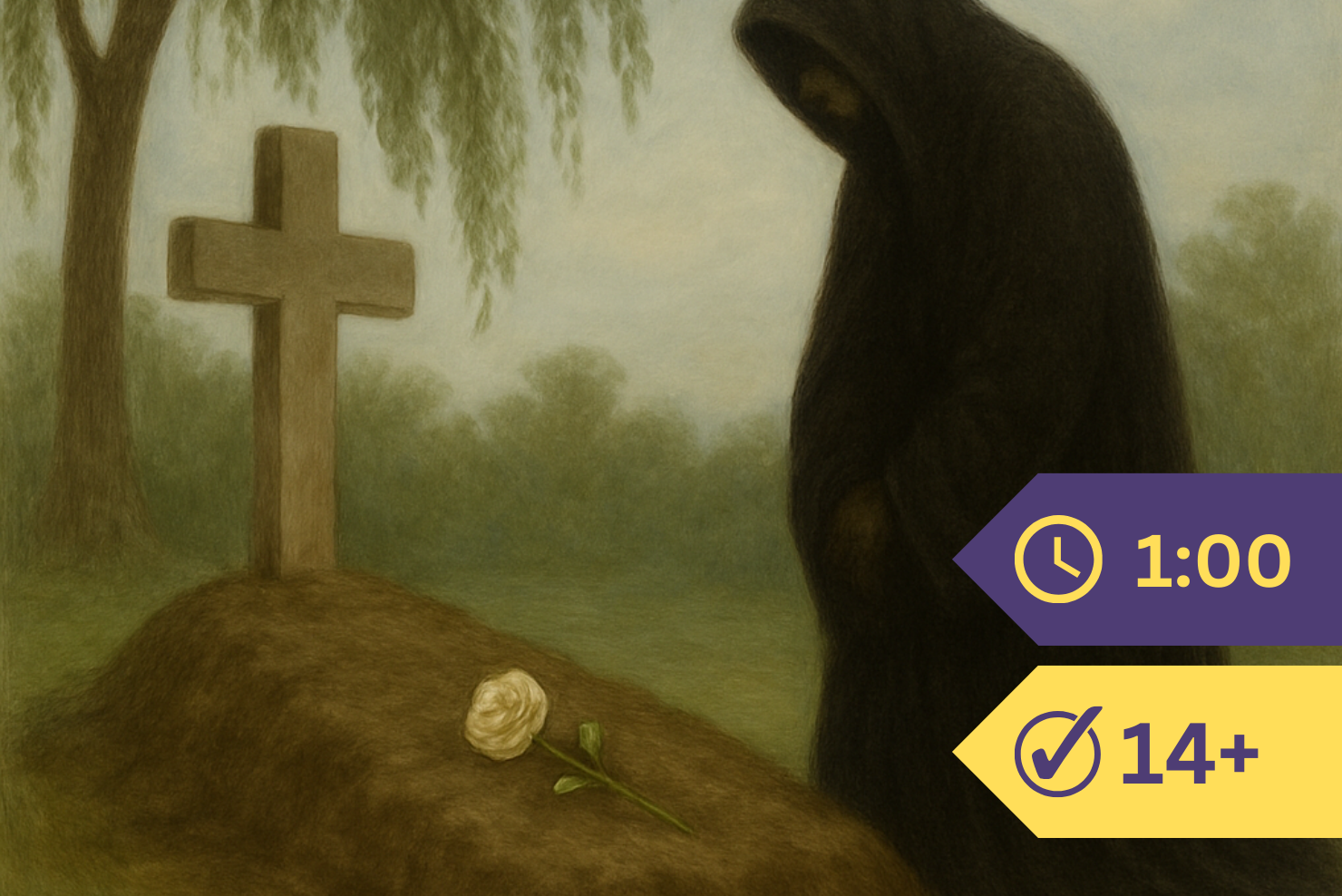
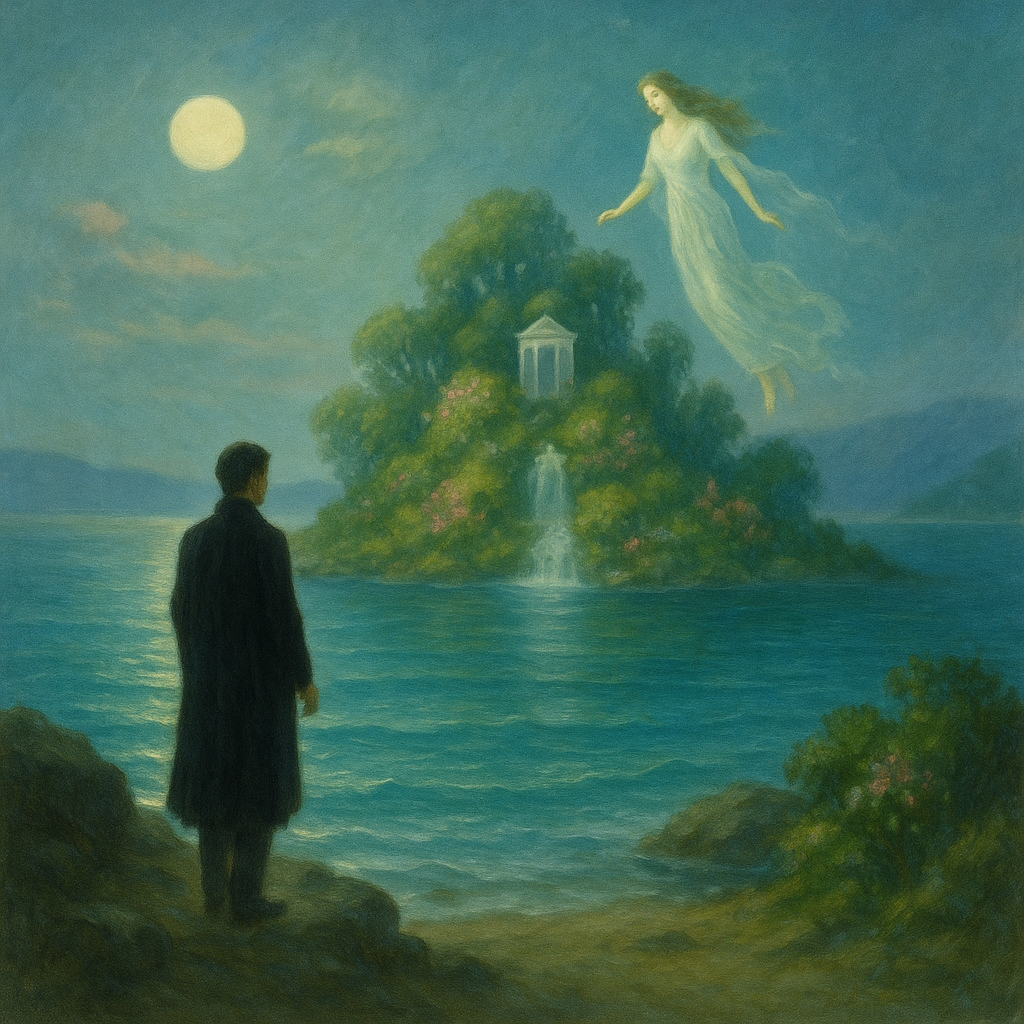
"To One In Paradise" is a short poem by Edgar Allan Poe that captures the devastating weight of irreversible loss. The speaker mourns a beloved who was once his entire world — a green isle, a shrine, a source of light — now gone beyond reach. Paralysed between a past he cannot release and a future he cannot embrace, he finds no comfort in waking life, only in dreams where dark eyes glance and footsteps gleam along eternal streams.

Listen to audio


Read Online

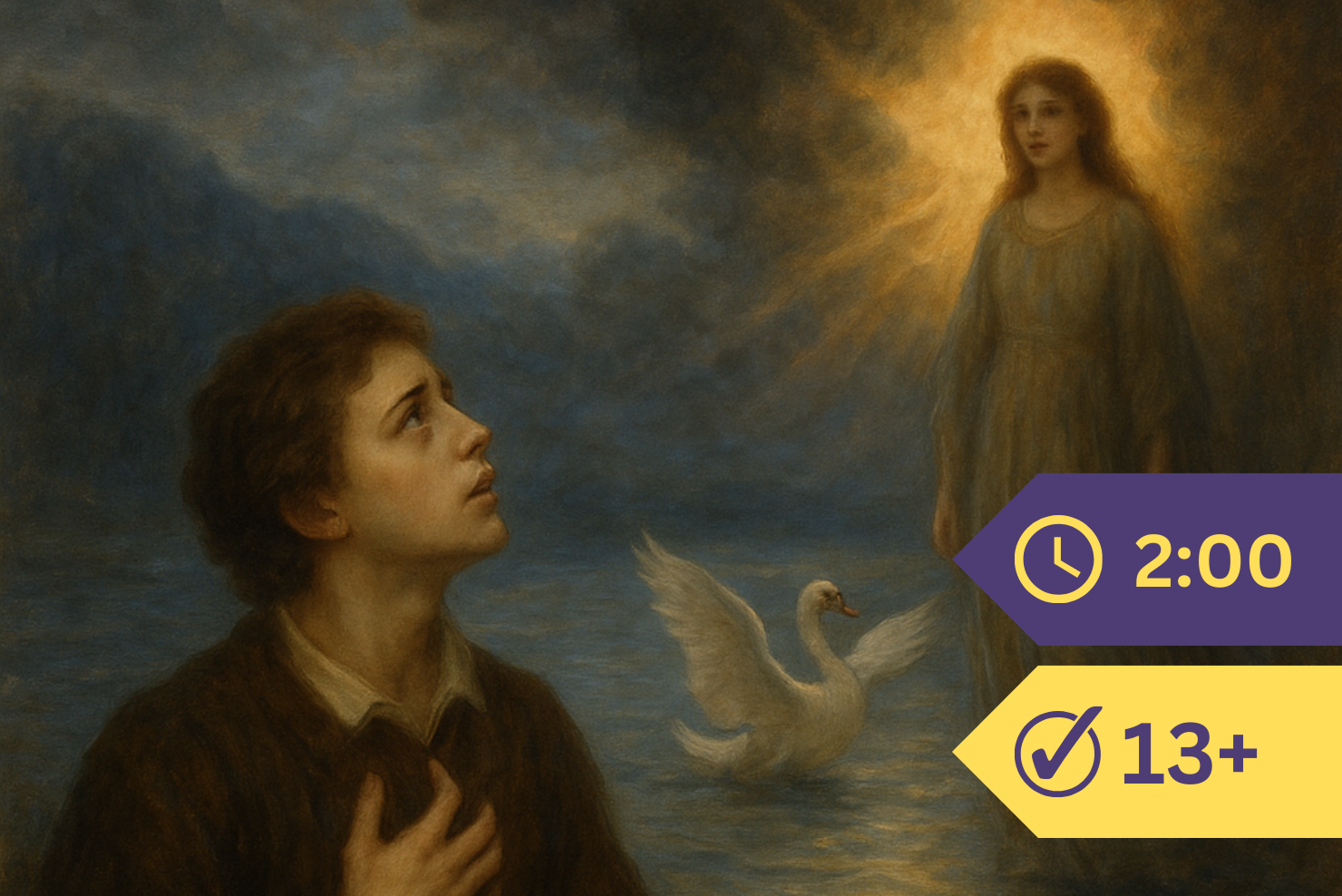
Thou wast all that to me, love,
For which my soul did pine—
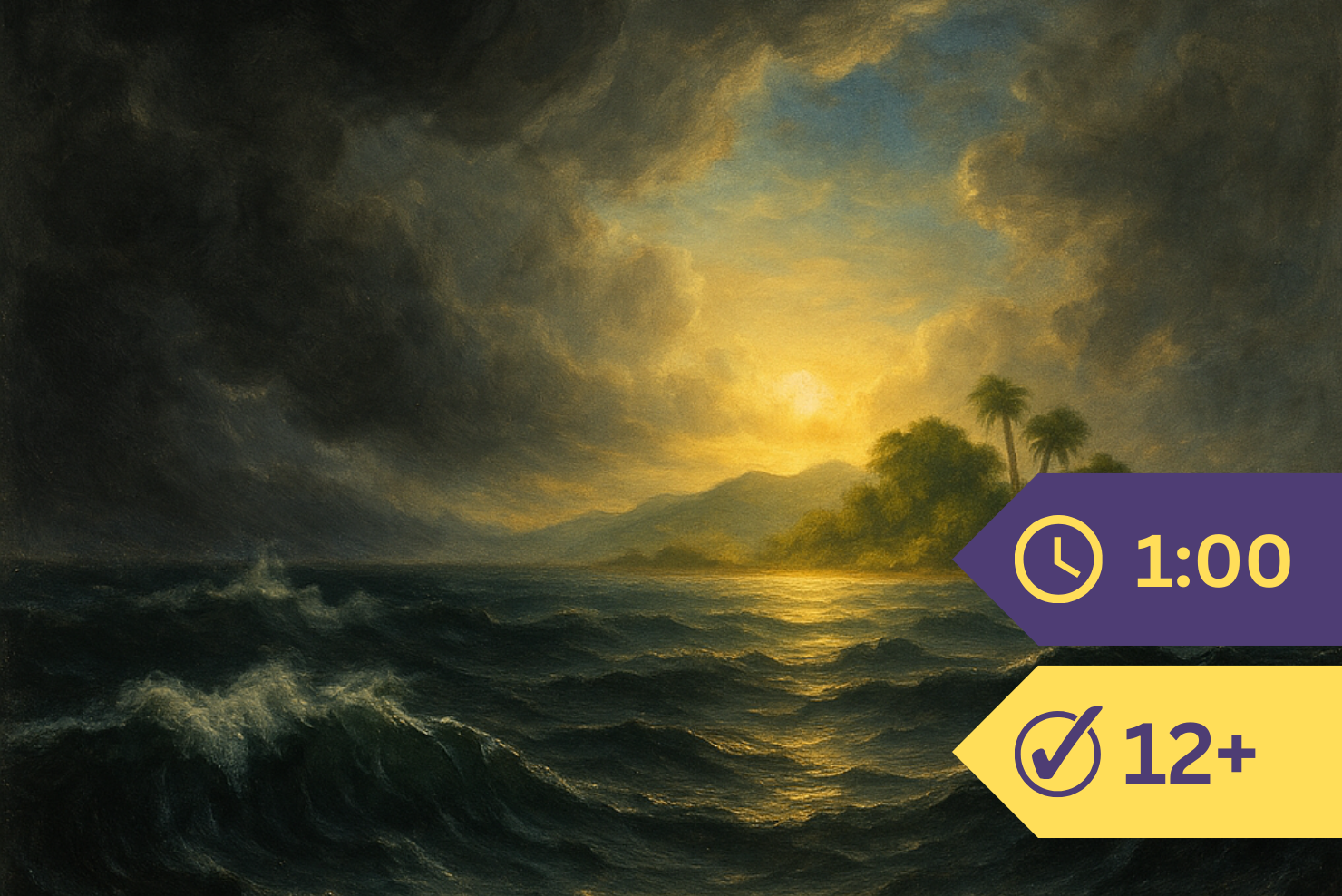
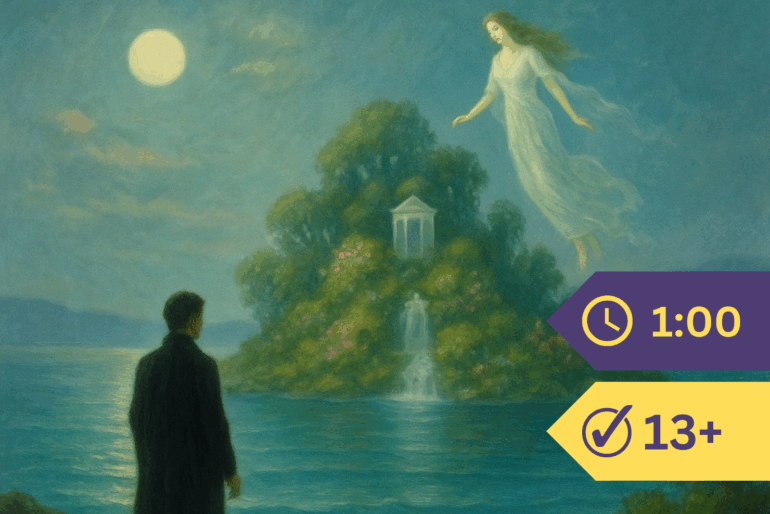
A green isle in the sea, love,
A fountain and a shrine,
All wreathed with fairy fruits and flowers,
And all the flowers were mine.
Ah, dream too bright to last!
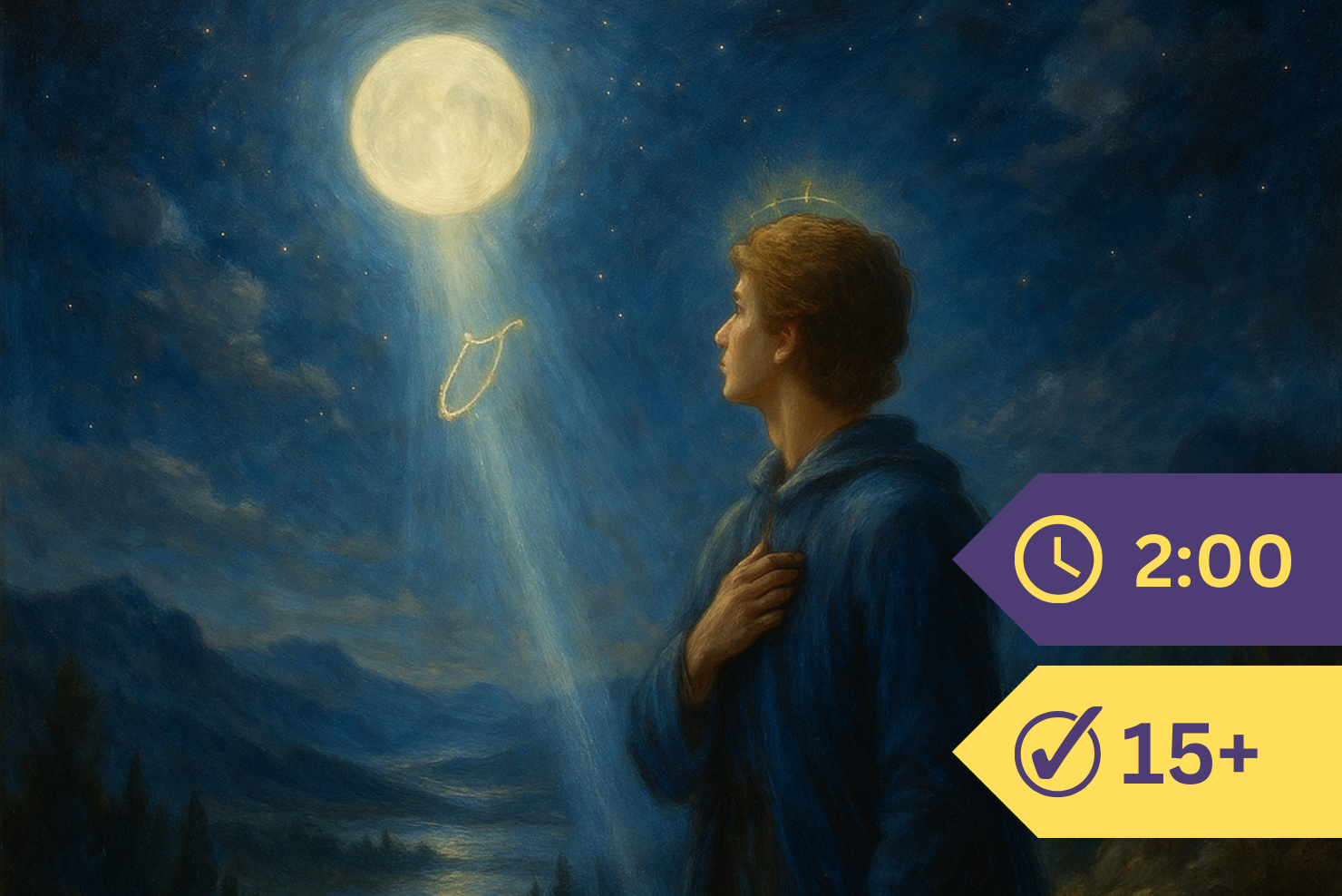
Ah, starry Hope! that didst arise
But to be overcast!
A voice from out the Future cries,
“On! on!”—but o’er the Past
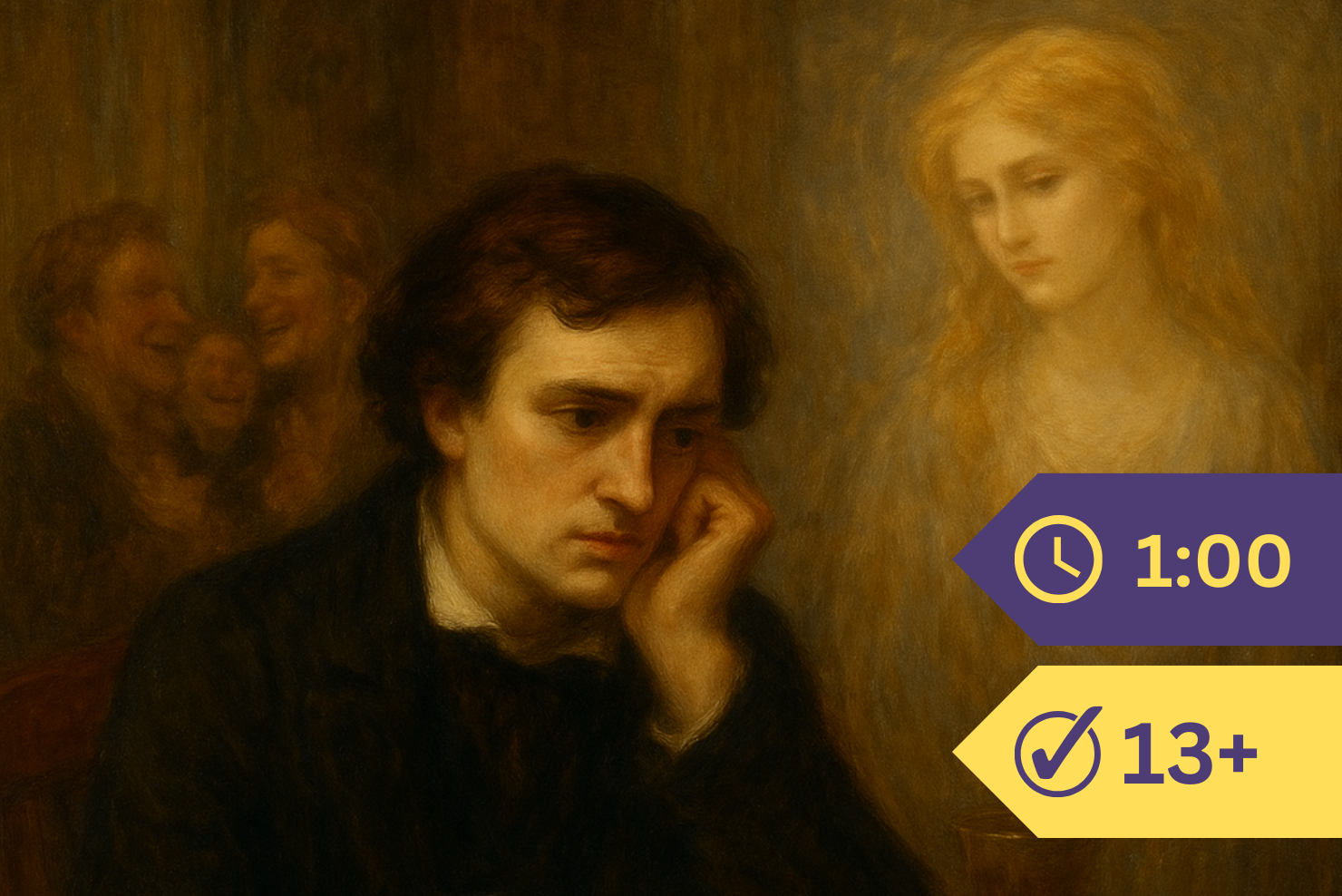
(Dim gulf!) my spirit hovering lies
Mute, motionless, aghast!

For, alas! alas! with me
The light of Life is o’er!
No more—no more—no more—
(Such language holds the solemn sea
To the sands upon the shore)
Shall bloom the thunder-blasted tree,
Or the stricken eagle soar!

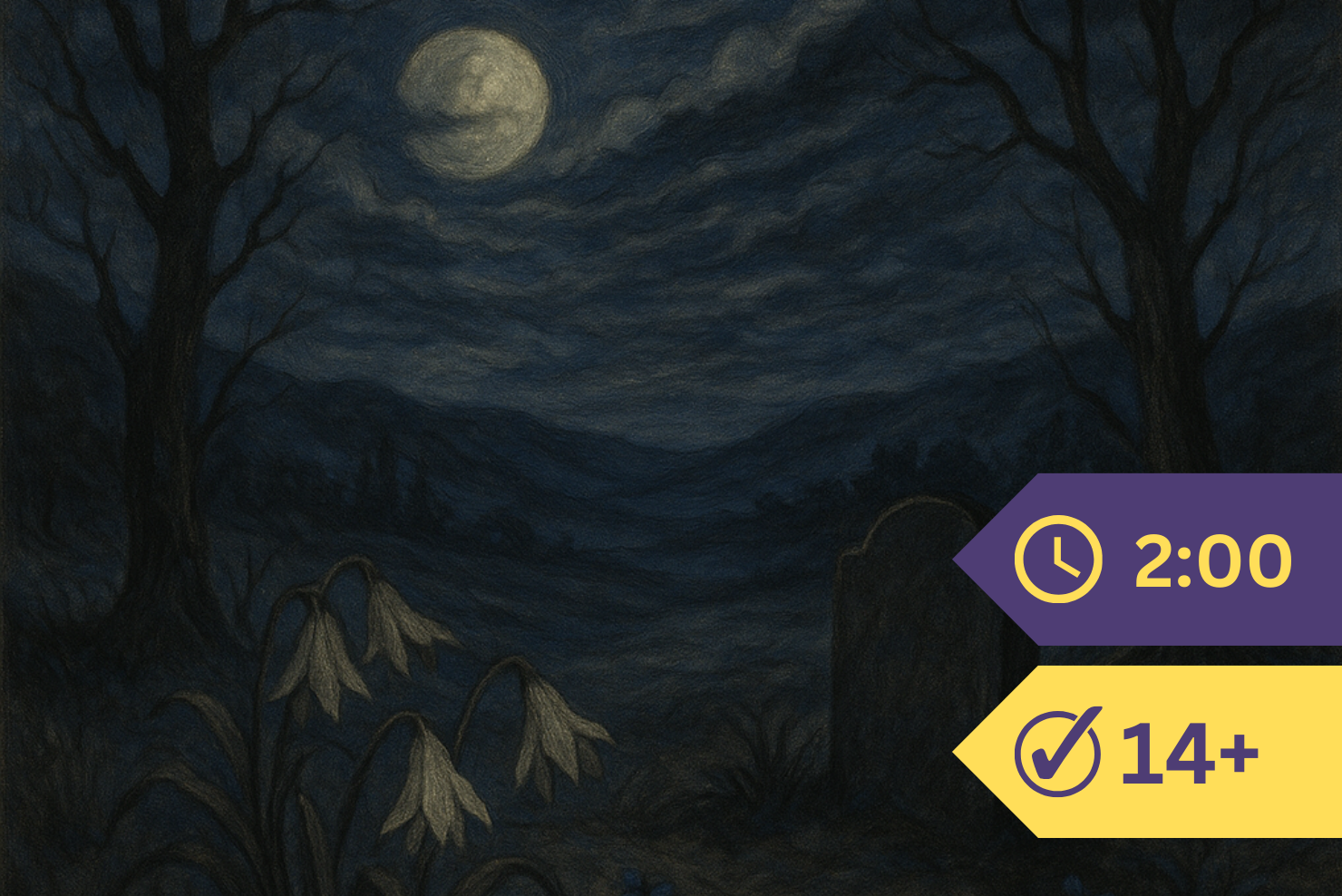
And all my days are trances,
And all my nightly dreams
Are where thy dark eye glances,
And where thy footstep gleams—
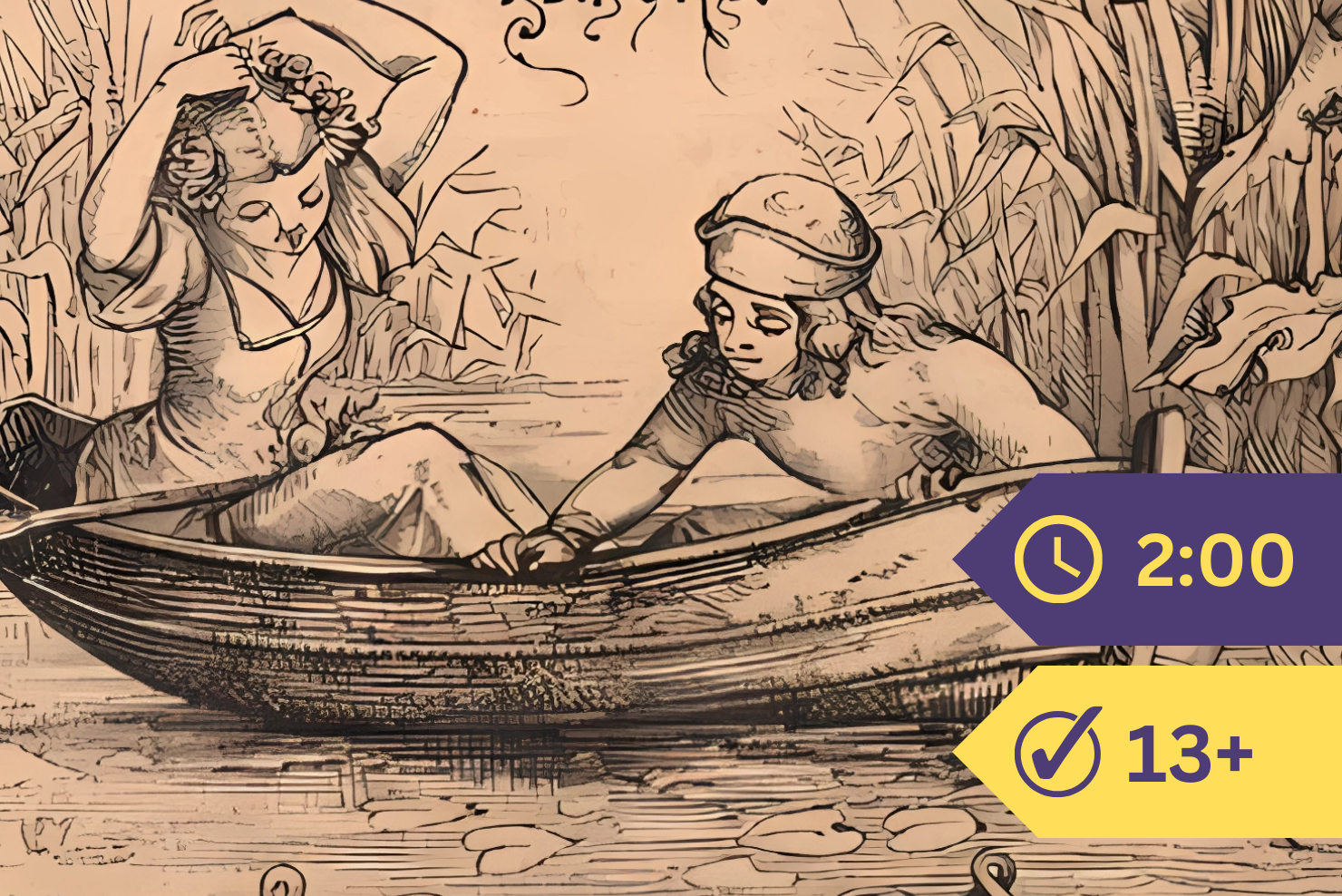
In what ethereal dances,
By what eternal streams.

Credits

Edgar Allan Poe (1809–1849) was an American poet and author celebrated for his mastery of gothic atmosphere and psychological intensity. "To One In Paradise" first appeared as part of his 1833 short story The Visionary, making it one of the rare Poe poems originally embedded within a work of fiction. His own life of recurring loss — including the deaths of his mother, foster mother, and wife — lends his elegies an unmistakably lived-in sorrow.