The Valley Of Unrest

Summary


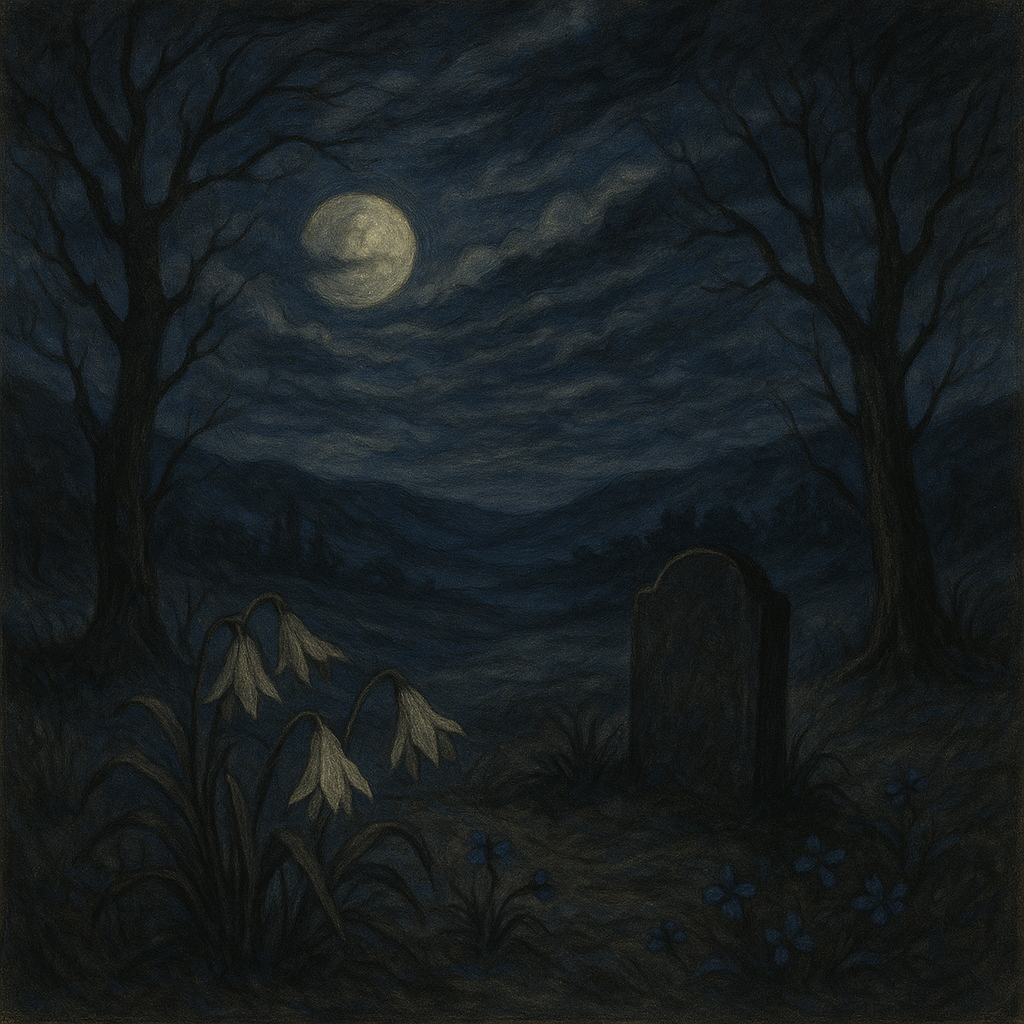
"The Valley of Unrest" is a short poem by Edgar Allan Poe in which a once-peaceful dell is transformed by absence and grief. The people have left for war, and in their wake, the valley itself seems cursed with perpetual agitation — trees tremble without wind, clouds drift uneasily, and lilies weep endless tears over a nameless grave. Poe builds a mood of eerie, suffocating sorrow, where even the flowers become stand-ins for human eyes, mourning something — or someone — lost beyond recovery.

Listen to audio


Read Online

Once it smiled a silent dell
Where the people did not dwell;
They had gone unto the wars,
Trusting to the mild-eyed stars,
Nightly, from their azure towers,
To keep watch above the flowers,
In the midst of which all day
The red sun-light lazily lay.
Now each visitor shall confess
The sad valley’s restlessness.
Nothing there is motionless—
Nothing save the airs that brood
Over the magic solitude.
Ah, by no wind are stirred those trees
That palpitate like the chill seas
Around the misty Hebrides!
Ah, by no wind those clouds are driven
That rustle through the unquiet Heaven
Uneasily, from morn till even,
Over the violets there that lie
In myriad types of the human eye—
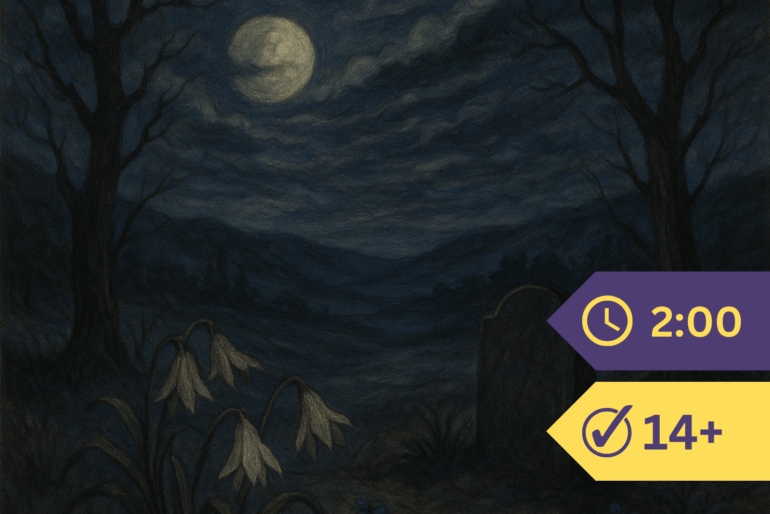
Over the lilies there that wave
And weep above a nameless grave!
They wave:—from out their fragrant tops
Eternal dews come down in drops.
They weep:—from off their delicate stems
Perennial tears descend in gems.

Credits

Edgar Allan Poe (1809–1849) was an American poet, short story writer, and literary critic, widely regarded as a master of Gothic atmosphere and psychological tension. "The Valley of Unrest" was first published in 1831 under the title "The Valley Nis," and Poe revised it significantly before reaching this final, more restrained version — a rare glimpse of grief rendered through landscape rather than narrative.