The Lake —— To——

Summary


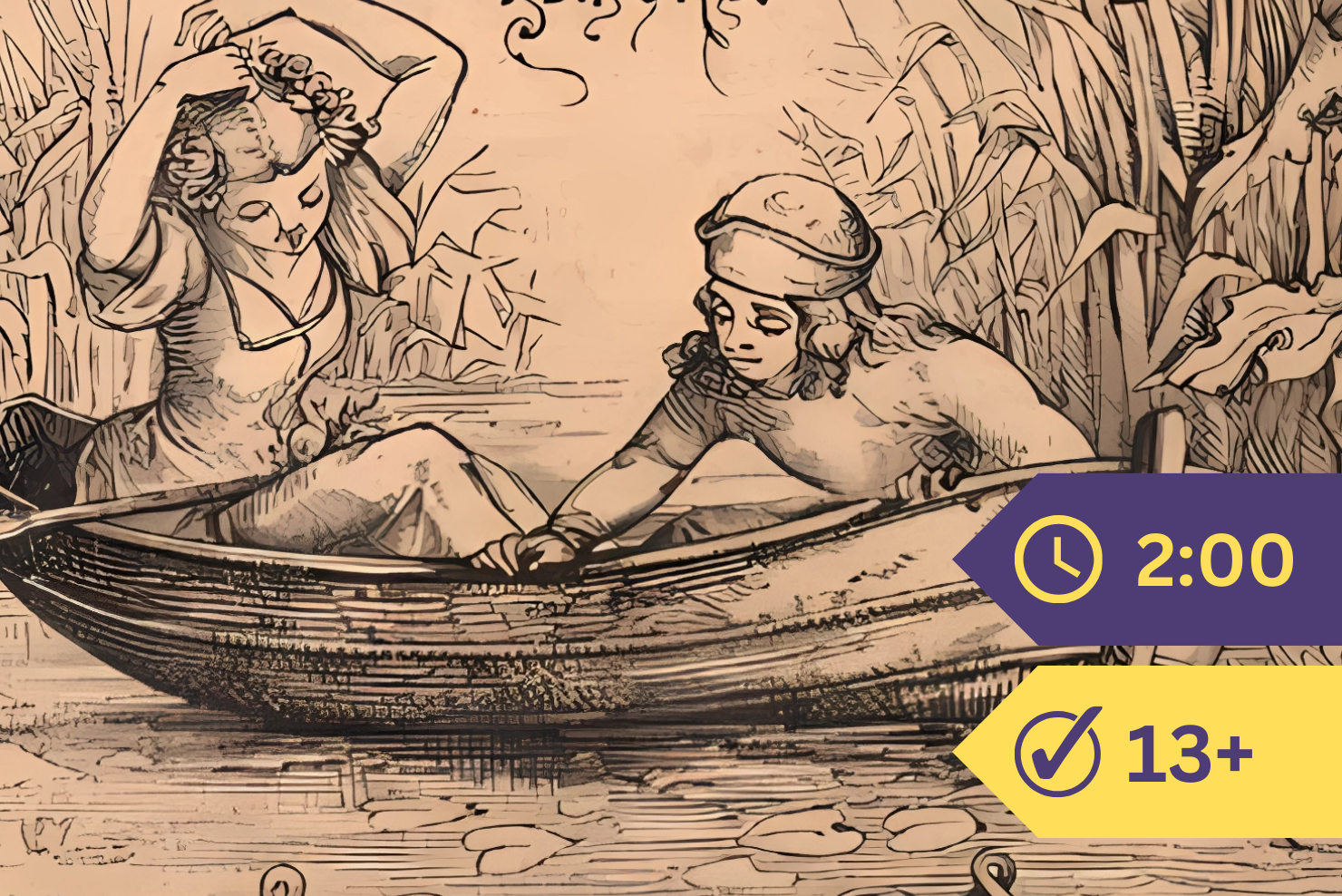
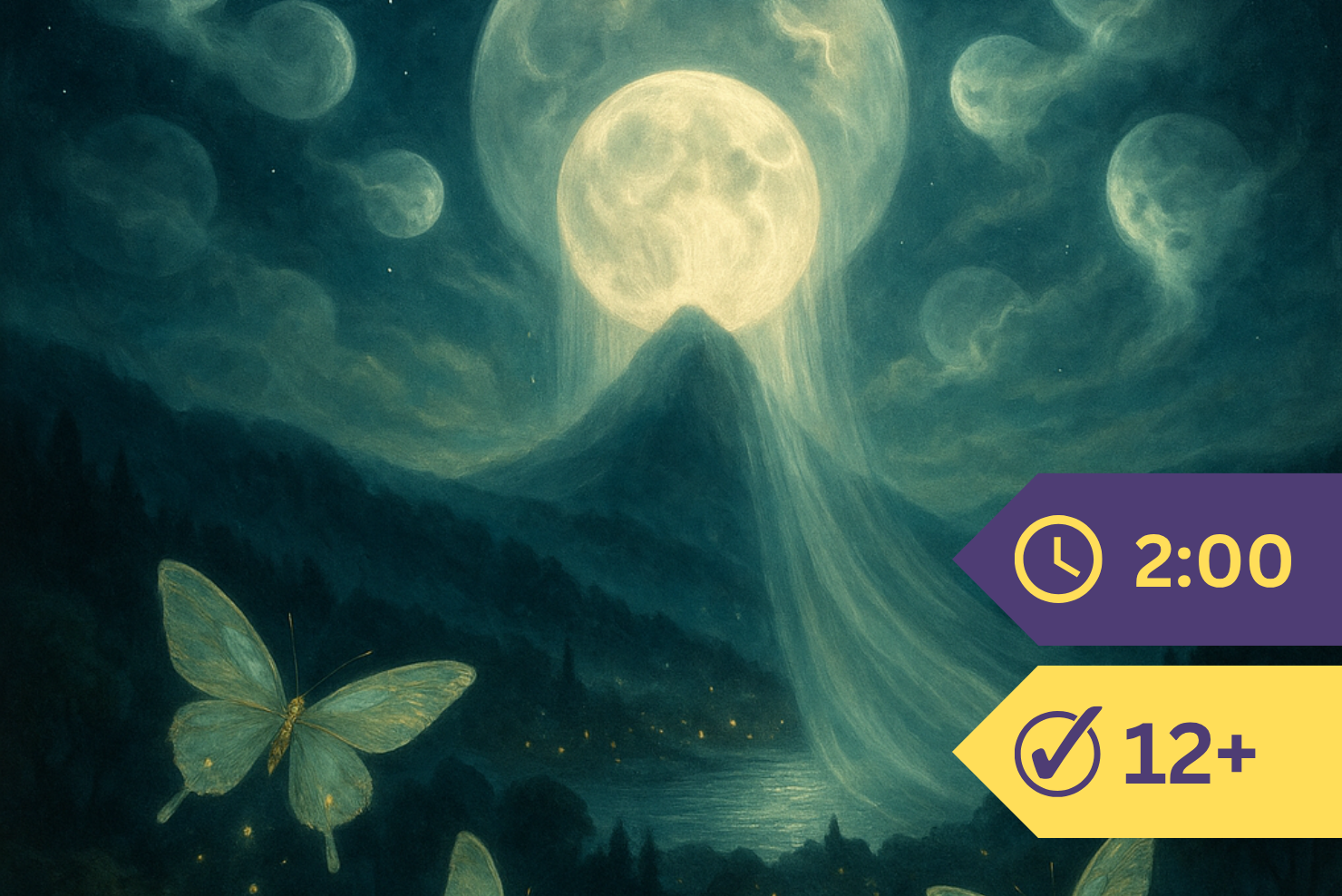
"The Lake —To—" is a short poem by Edgar Allan Poe in which a solitary speaker recalls a wild, black-rocked lake ringed by tall pines — a place he haunted in the spring of youth. By day its loneliness enchanted him; by night, a mystic wind stirred something stranger: a trembling delight he could neither name nor trade for any earthly treasure. The lake holds death in its poisonous wave, yet for a soul alone enough to feel it, that darkness becomes something close to paradise.

Listen to audio


Read Online

     In spring of youth it was my lot
     To haunt of the wide earth a spot
     The which I could not love the less—
     So lovely was the loneliness
     Of a wild lake, with black rock bound,
     And the tall pines that tower’d around.

     But when the Night had thrown her pall
     Upon that spot, as upon all,
     And the mystic wind went by
     Murmuring in melody—
     Then—ah then I would awake
     To the terror of the lone lake.

     Yet that terror was not fright,
     But a tremulous delight—
     A feeling not the jewelled mine
     Could teach or bribe me to define—
     Nor Love—although the Love were thine.

     Death was in that poisonous wave,
     And in its gulf a fitting grave
     For him who thence could solace bring
     To his lone imagining—
     Whose solitary soul could make
     An Eden of that dim lake.

Credits

Edgar Allan Poe (1809–1849) was an American poet and fiction writer whose work gave shape to the gothic and horror traditions in literature. "The Lake —To—" is one of his earliest published poems, first appearing in his 1827 debut collection Tamerlane and Other Poems, written when Poe was still a teenager — making its emotional intensity all the more striking.