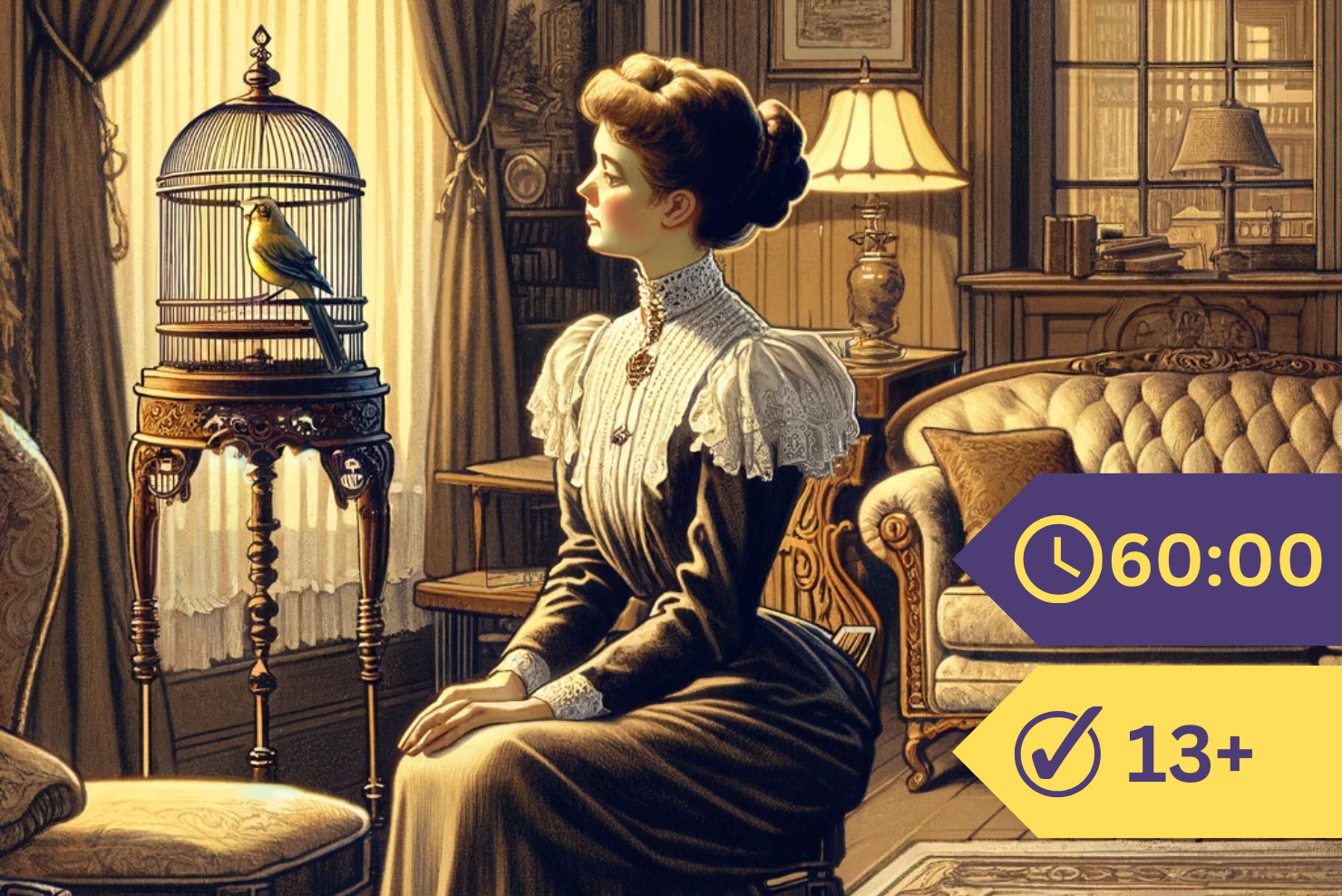
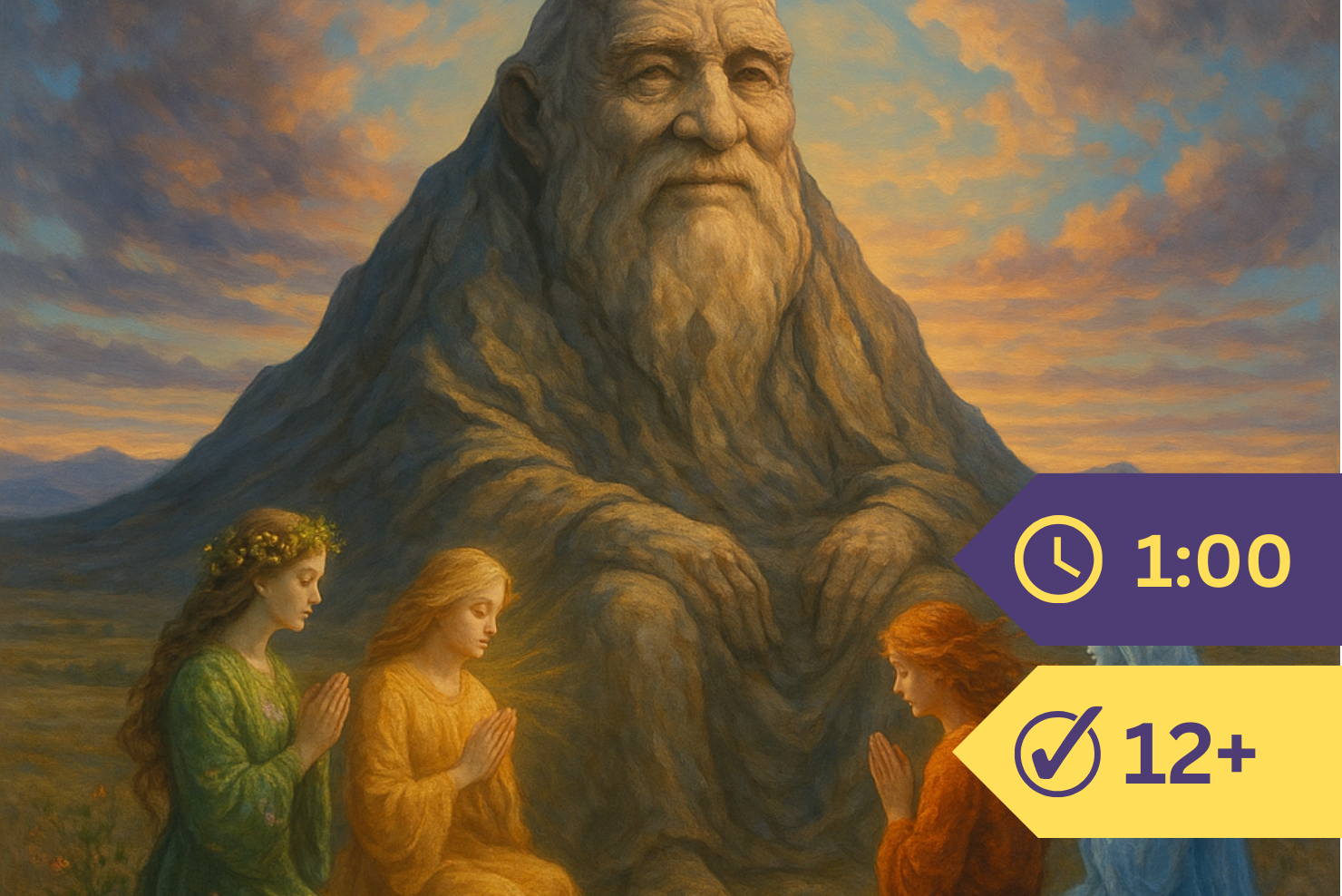
She went as quiet as the dew

Summary


"She Went as Quiet as the Dew" is a short poem by Emily Dickinson that captures the quiet devastation of losing someone beloved. Through two spare stanzas, Dickinson draws on the gentle images of dew and a falling star to evoke a departure so soft it barely registered — yet the absence left behind is absolute. Unlike the dew, she does not return at the accustomed hour, and unlike the astronomer Leverrier who could calculate a star's course, grief offers no such certainty or comfort.

Read Online

She went as quiet as the dew
From a familiar flower.
Not like the dew did she return
At the accustomed hour!

She dropt as softly as a star
From out my summer’s eve;
Less skilful than Leverrier
It’s sorer to believe!



Credits

Emily Dickinson was a 19th-century American poet whose work explored death, nature, and the inner life with startling compression and originality. Though largely unpublished during her lifetime, she is now regarded as one of the most important voices in American literature. In this poem, her reference to the French astronomer Urbain Le Verrier — famous for predicting the position of Neptune — sharpens the grief: science can chart a star's fall, but nothing can make this loss easier to accept.