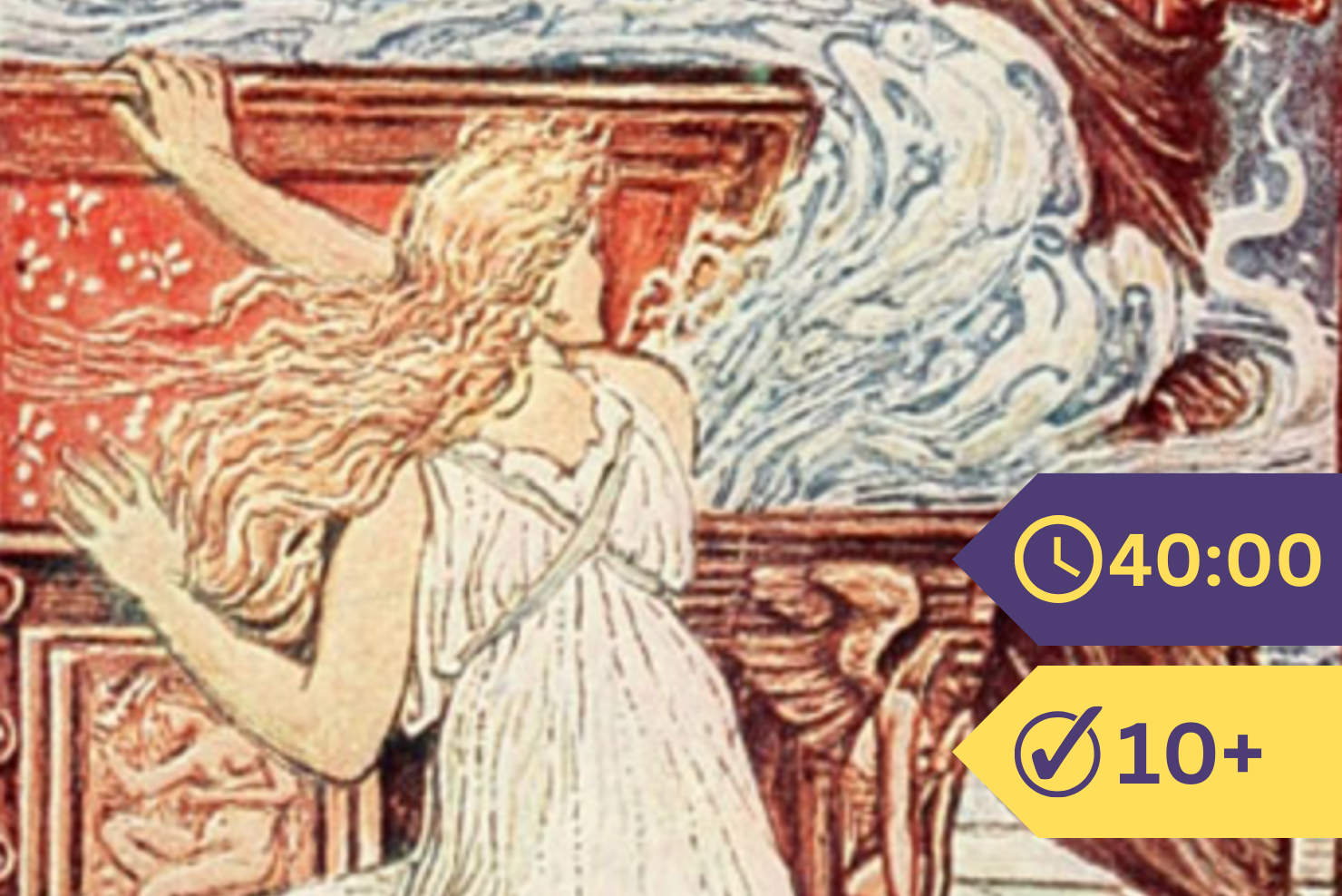
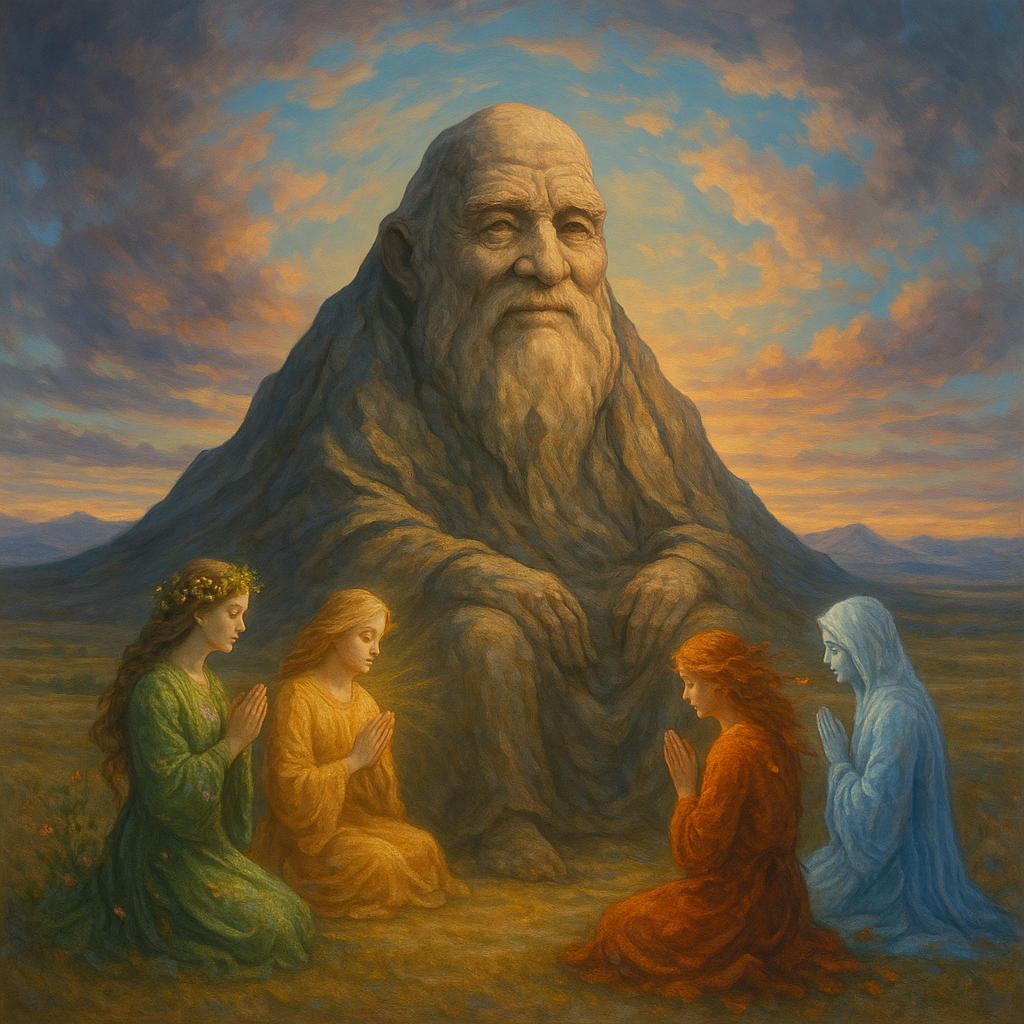
The mountain sat upon the plain
In his eternal chair,
His observation omnifold,
His inquest everywhere.
The seasons prayed around his knees,
Like children round a sire:
Grandfather of the days is he,
Of dawn the ancestor.

 Read Anywhere, Anytime
The mountain sat upon the plain
In his eternal chair,
His observation omnifold,
His inquest everywhere.
The seasons prayed around his knees,
Like children round a sire:
Grandfather of the days is he,
Of dawn the ancestor.
Emily Dickinson was a 19th-century American poet now regarded as one of the most original voices in the English language. Writing in near-total seclusion in Amherst, Massachusetts, she produced nearly 1,800 poems, most published only after her death in 1886. In "The Mountain," her characteristically compressed verse elevates a geological feature into a mythic patriarch, blending the natural world with a deep sense of cosmic time.