Bridal Ballad

Summary


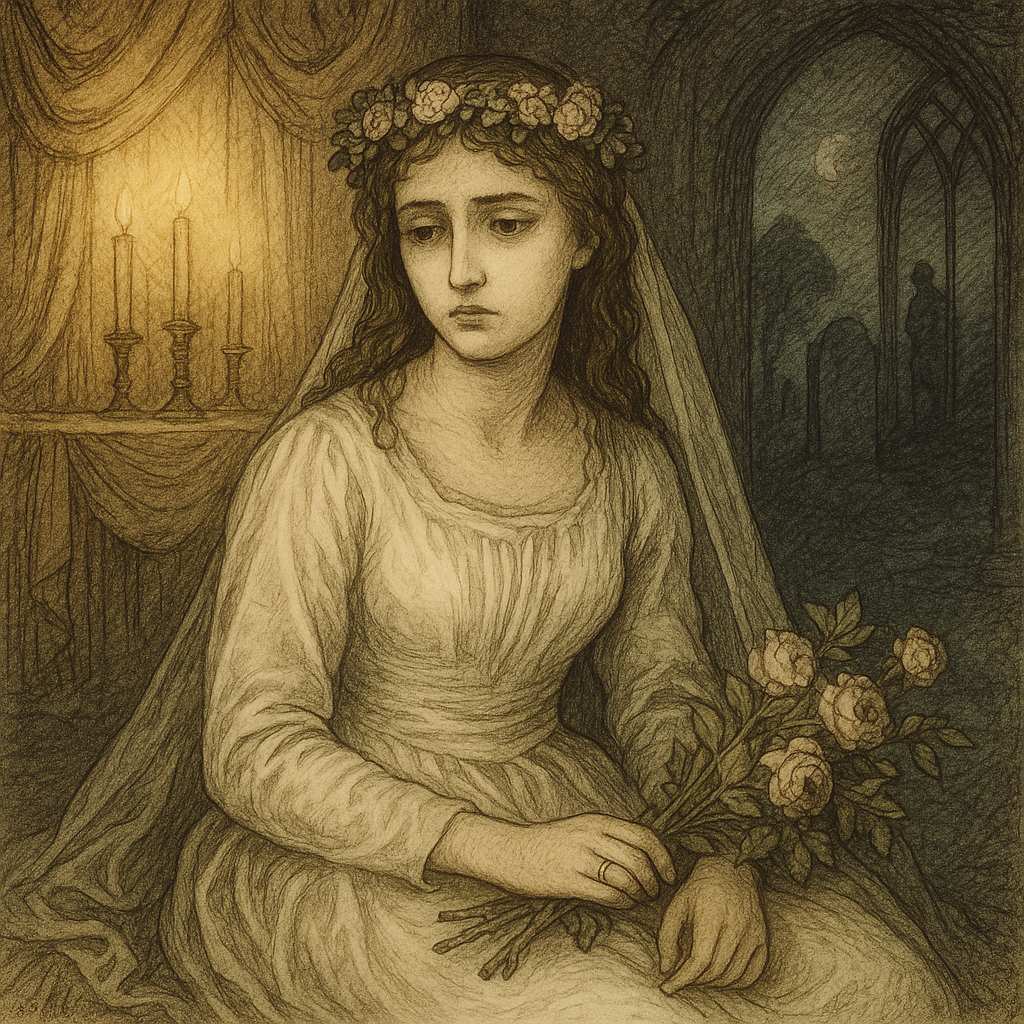
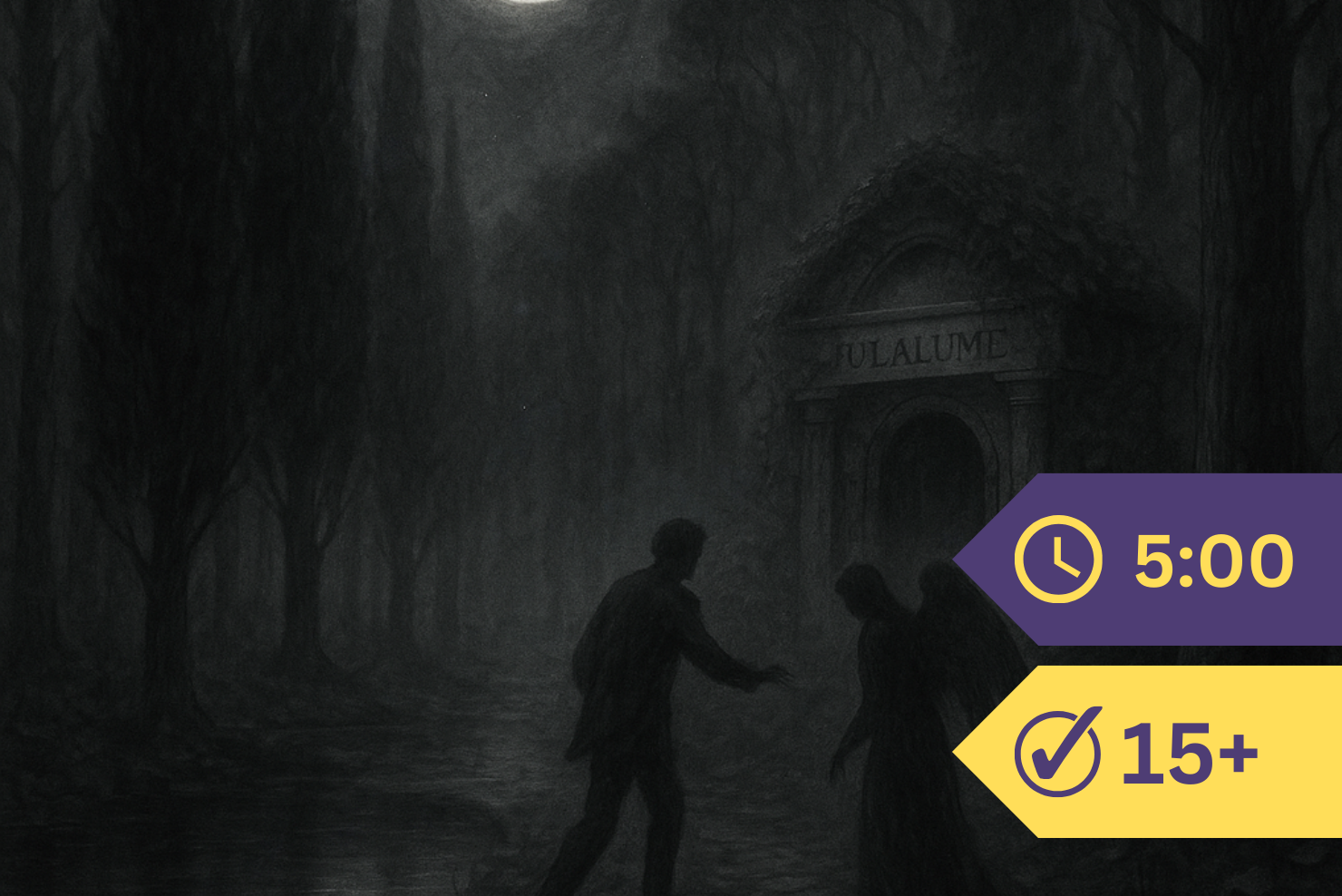
"Bridal Ballad" is a poem by Edgar Allan Poe in which a bride stands at the altar adorned in satins and jewels, yet cannot silence the ghost of a love she has lost. As her new lord speaks his vow, his voice echoes that of a fallen soldier — D'Elormie — and she slips into a reverie among gravestones. Though she repeats that she is happy, her broken heart and fractured faith betray a darker truth, and she fears the forsaken dead may share her unspoken anguish.

Listen to audio


Read Online

The ring is on my hand,
And the wreath is on my brow;
Satins and jewels grand
Are all at my command,
And I am happy now.

And my lord he loves me well;
But, when first he breathed his vow,
I felt my bosom swell—
For the words rang as a knell,
And the voice seemed his who fell
In the battle down the dell,
And who is happy now.
But he spoke to reasure me,
And he kissed my pallid brow,
While a reverie came o’er me,
And to the church-yard bore me,
And I sighed to him before me,
Thinking him dead D’Elormie,
“Oh, I am happy now!”

And thus the words were spoken,
And thus the plighted vow,
And, though my faith be broken,
And, though my heart be broken,
Behold the golden token
That proves me happy now!

Would to God I could awaken!
For I dream I know not how,
And my soul is sorely shaken
Lest an evil step be taken,—
Lest the dead who is forsaken
May not be happy now.

Credits

Edgar Allan Poe (1809–1849) was an American writer celebrated for his mastery of Gothic poetry and psychological horror. "Bridal Ballad" is one of his lesser-known lyric poems, first published in 1837, and stands out for its quietly devastating portrayal of grief suppressed beneath social obligation. Poe's own complicated experiences with love and loss lend the poem a haunting biographical undertone.