Will you come back to us, men of our hearts, to-night
In the misty close of the brief October day?
Will you leave the alien graves where you sleep and steal away
To see the gables and eaves of home grow dark in the evening light?
O men of the manor and moated hall and farm,
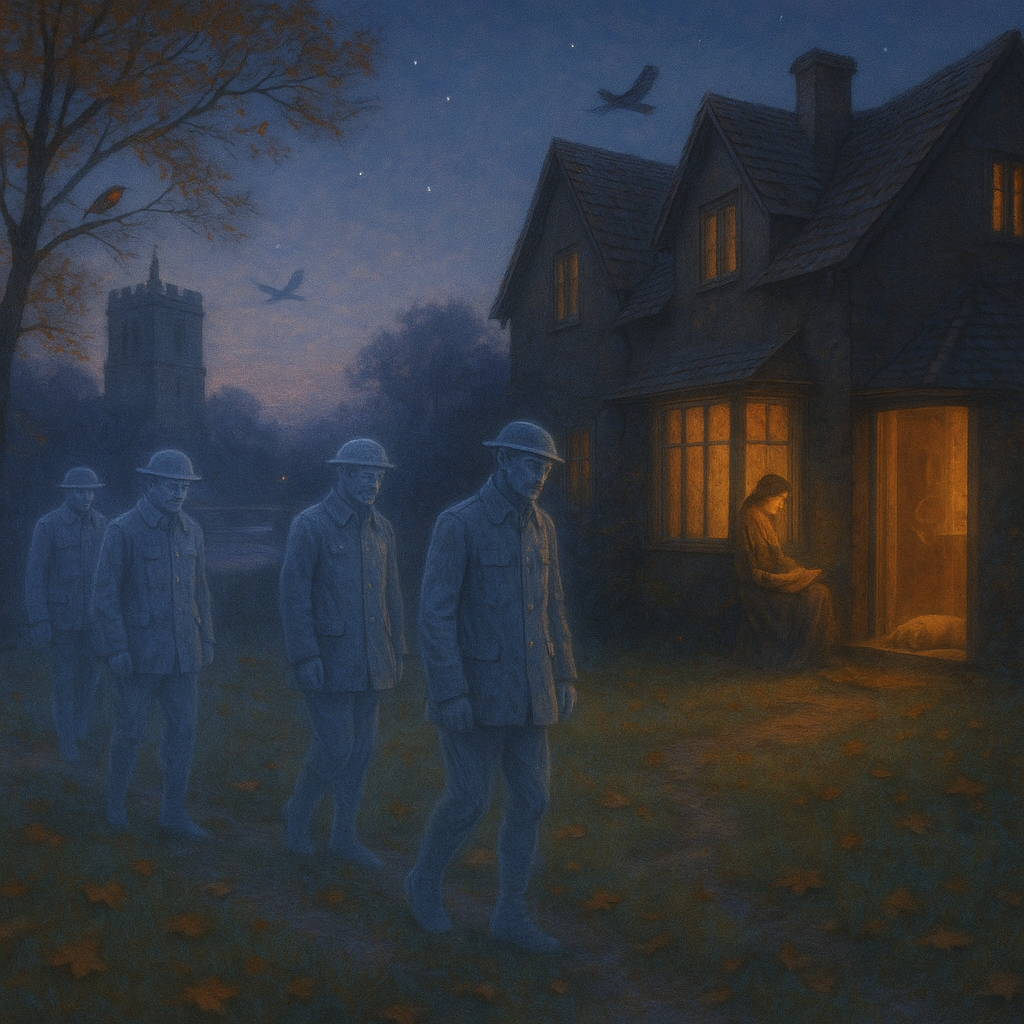
Come back to-night, treading softly over the grass;
The dew of the autumn dusk will not betray where you pass;
The watchful dog may stir in his sleep but he’ll raise no hoarse alarm.
Then you will stand, not strangers, but wishful to look
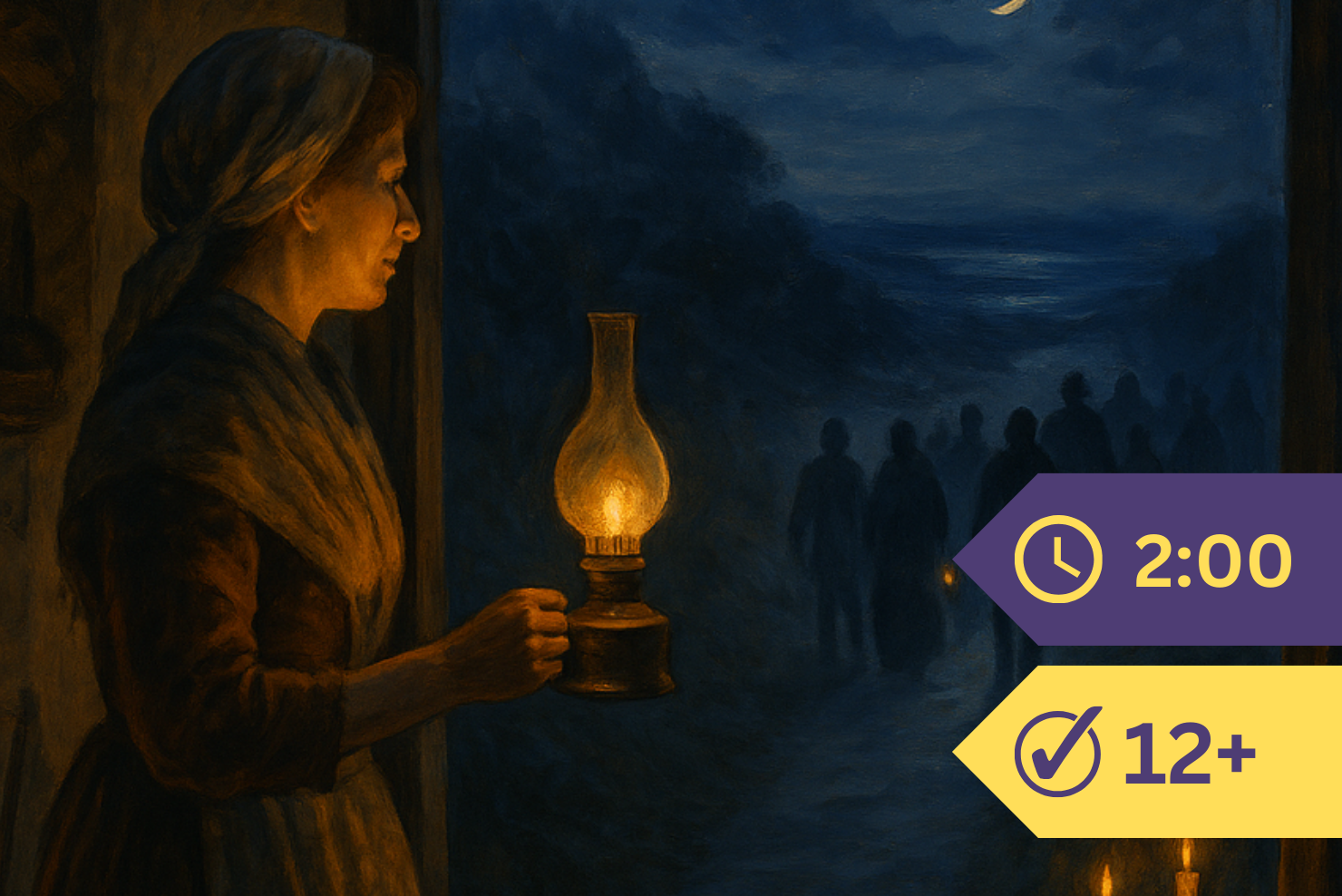
At the kindly lamplight shed from the open door,
And the fire-lit casement where one, having wept you sore,
Sits dreaming alone with her sorrow, not heeding her open book.
Forgotten awhile the weary trenches, the dome
Of pitiless Eastern sky, in this quiet hour
When no sound breaks the hush but the chimes from the old church tower,
And the river’s song at the weir,—ah! then we will welcome you home.
You will come back to us just as the robin sings
Nunc Dimittis from the larch to a sun late set
In purple woodlands; when caught like silver fish in a net
The stars gleam out through the orchard boughs and the church owl flaps his wings.
We have no fear of you, silent shadows, who tread
The leaf-bestrewn paths, the dew-wet lawns. Draw near
To the glowing fire, the empty chair,—we shall not fear,
Being but ghosts for the lack of you, ghosts of our well-beloved dead.