Summary


"A Day" is a short poem by Emily Dickinson that transforms an ordinary sunrise and sunset into something quietly magical. The speaker describes dawn unfolding ribbon by ribbon, steeples swimming in amethyst light, and news scattering like squirrels across the hills. As dusk falls, yellow figures climb a purple stile before a gray-cloaked dominie gently bars the evening and leads them away. The poem holds a sense of wonder edged with mystery — the speaker admits she cannot quite explain how the sun disappeared.

Read Online

I’ll tell you how the sun rose,—
A ribbon at a time.
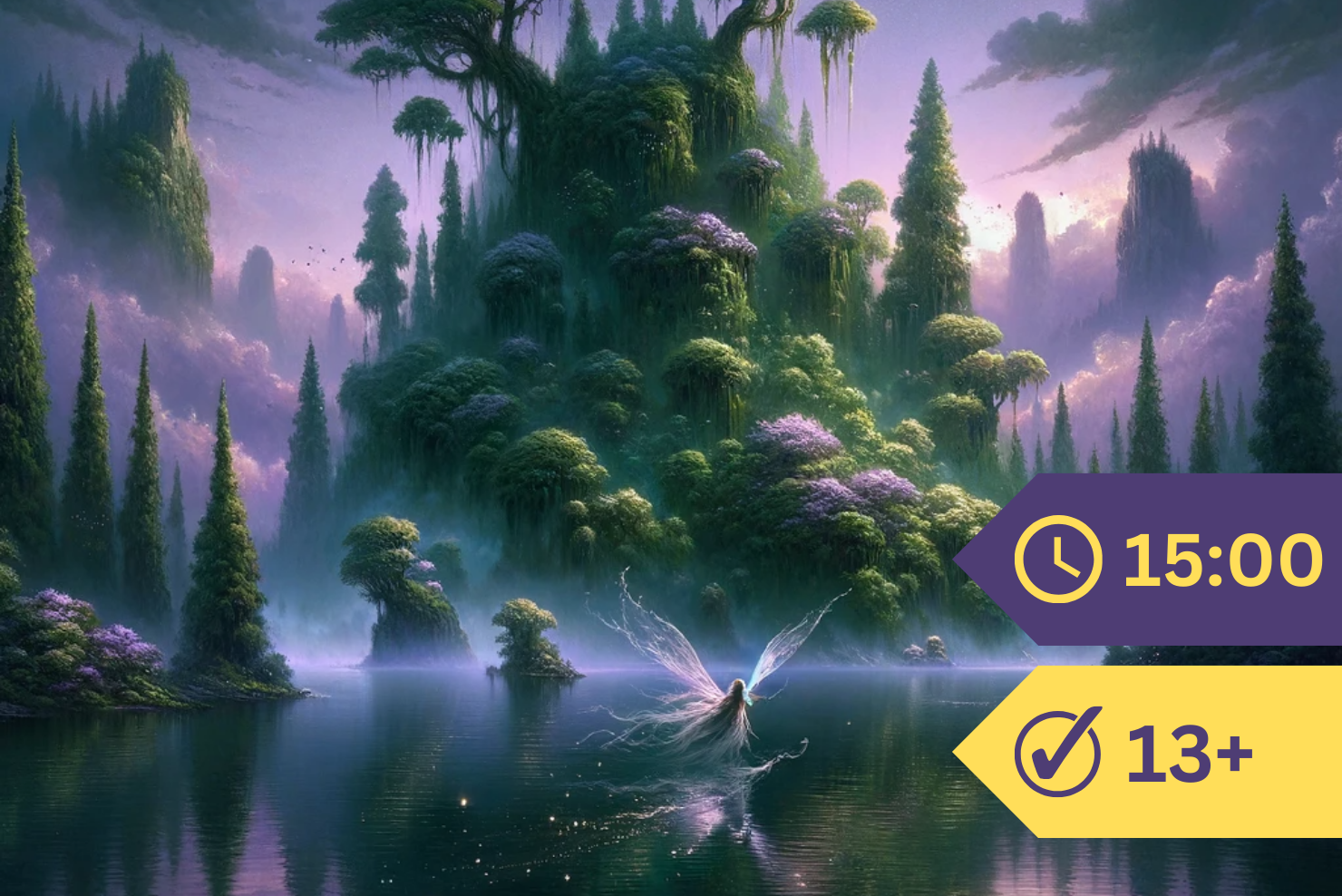
The steeples swam in amethyst,
The news like squirrels ran.

The hills untied their bonnets,
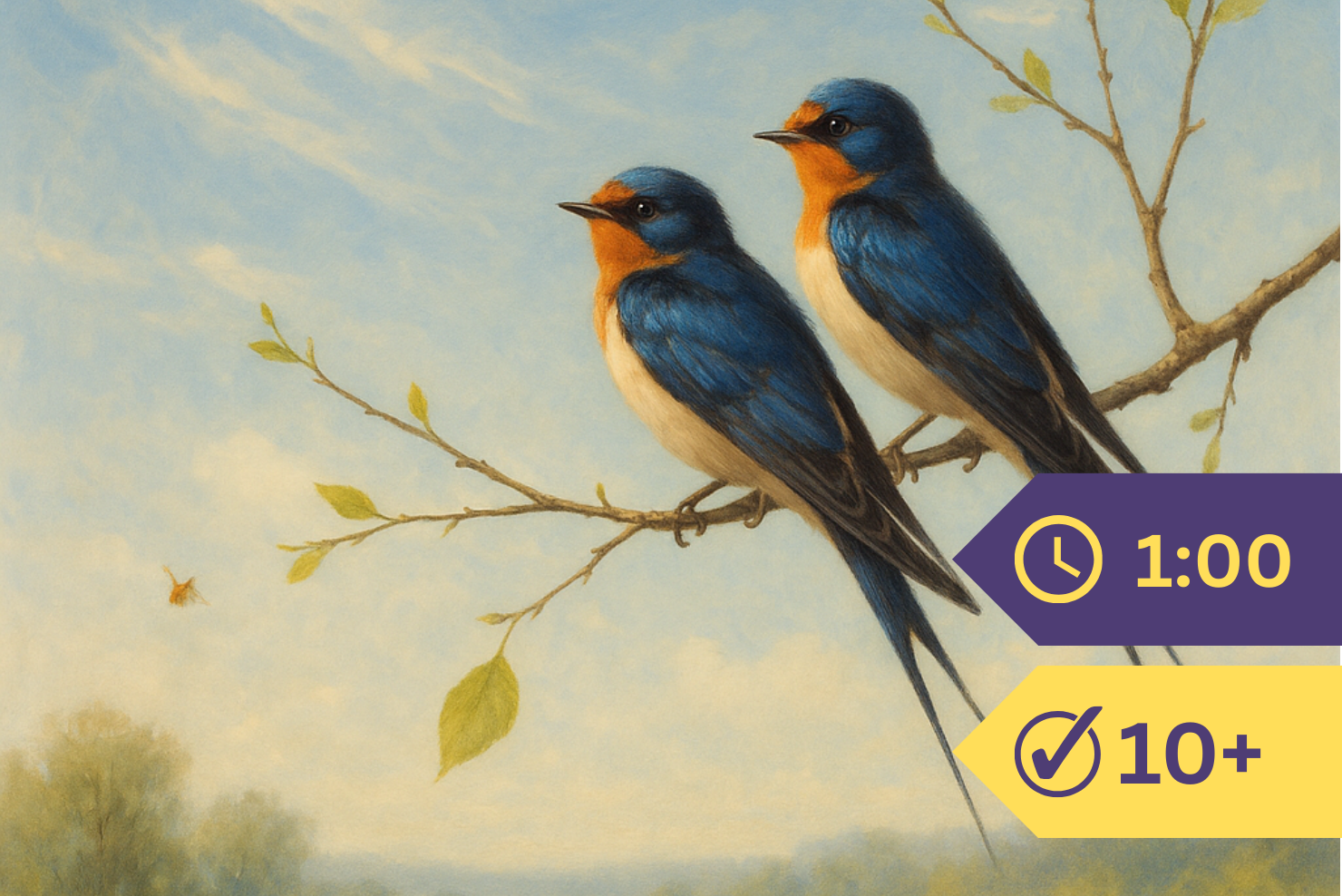
The bobolinks begun.
Then I said softly to myself,
“That must have been the sun!”
······
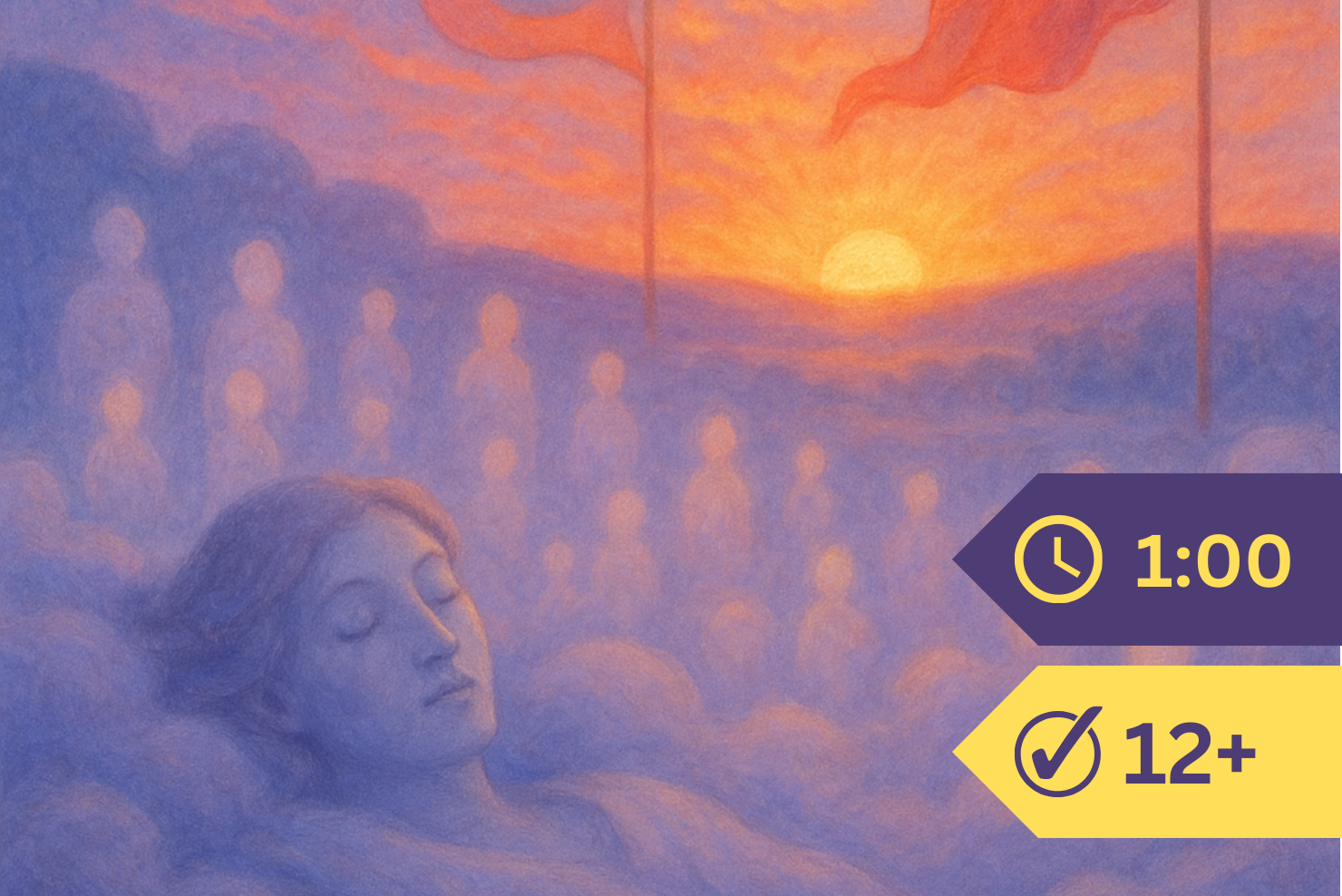
But how he set, I know not.
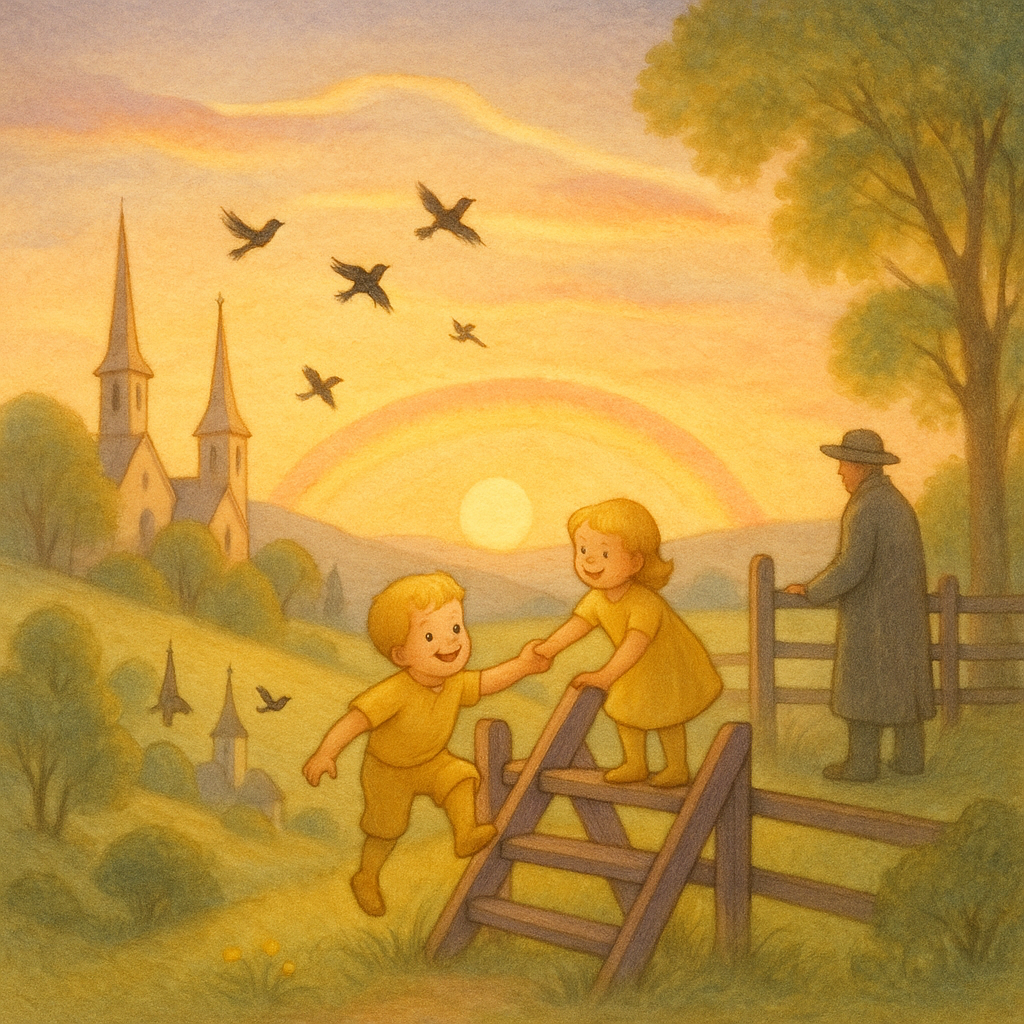
There seemed a purple stile
Which little yellow boys and girls
Were climbing all the while

Till when they reached the other side,
A dominie in gray
Put gently up the evening bars,
And led the flock away.


Credits

Emily Dickinson (1830–1886) was an American poet whose reclusive life in Amherst, Massachusetts belied the extraordinary volume and originality of her work — fewer than a dozen of her nearly 1,800 poems were published during her lifetime. "A Day" showcases her signature technique of rendering vast natural phenomena through intimate, domestic metaphor, with the setting sun reimagined as a pastoral scene complete with a shepherd-like dominie guiding his flock into the night.