The Hare And His Ears

Summary


"The Hare And His Ears" is a short Aesop fable in which the Lion, wounded by a Goat's horns during a meal, furiously banishes every horned animal from his kingdom. The Hare has no horns and no real reason to fear — yet a restless night of anxious dreams leaves him rattled. When he steps into the morning light and sees the long, pointed shadows of his own ears, panic takes hold. He says his goodbyes and flees, convinced that reason and innocence offer no protection against a ruler bent on rage.

Read Online

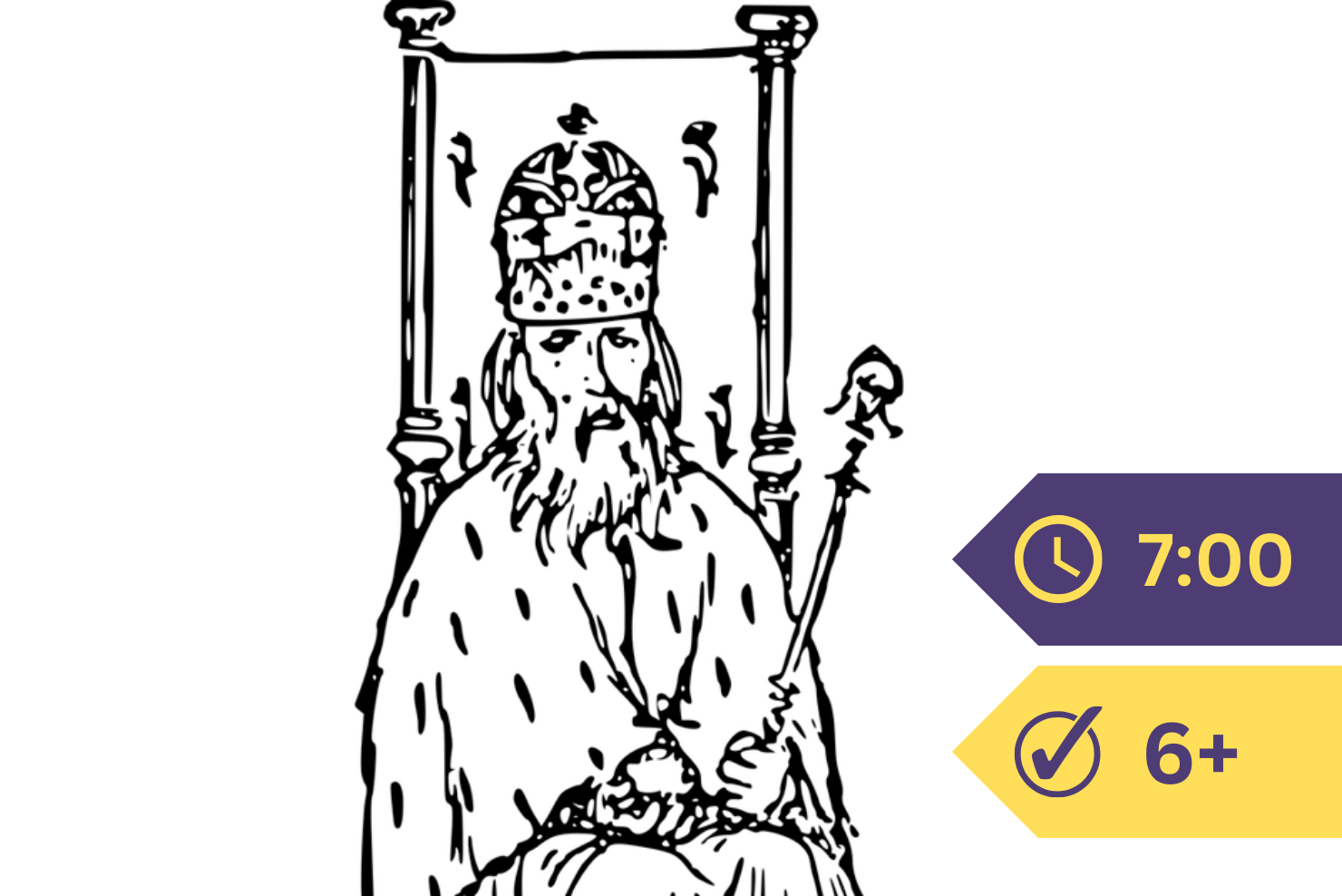
The Lion had been badly hurt by the horns of a Goat, which he was eating. He was very angry to think that any animal that he chose for a meal, should be so brazen as to wear such dangerous things as horns to scratch him while he ate. So he commanded that all animals with horns should leave his domains within twenty-four hours.

The command struck terror among the beasts. All those who were so unfortunate as to have horns, began to pack up and move out. Even the Hare, who, as you know, has no horns and so had nothing to fear, passed a very restless night, dreaming awful dreams about the fearful Lion.

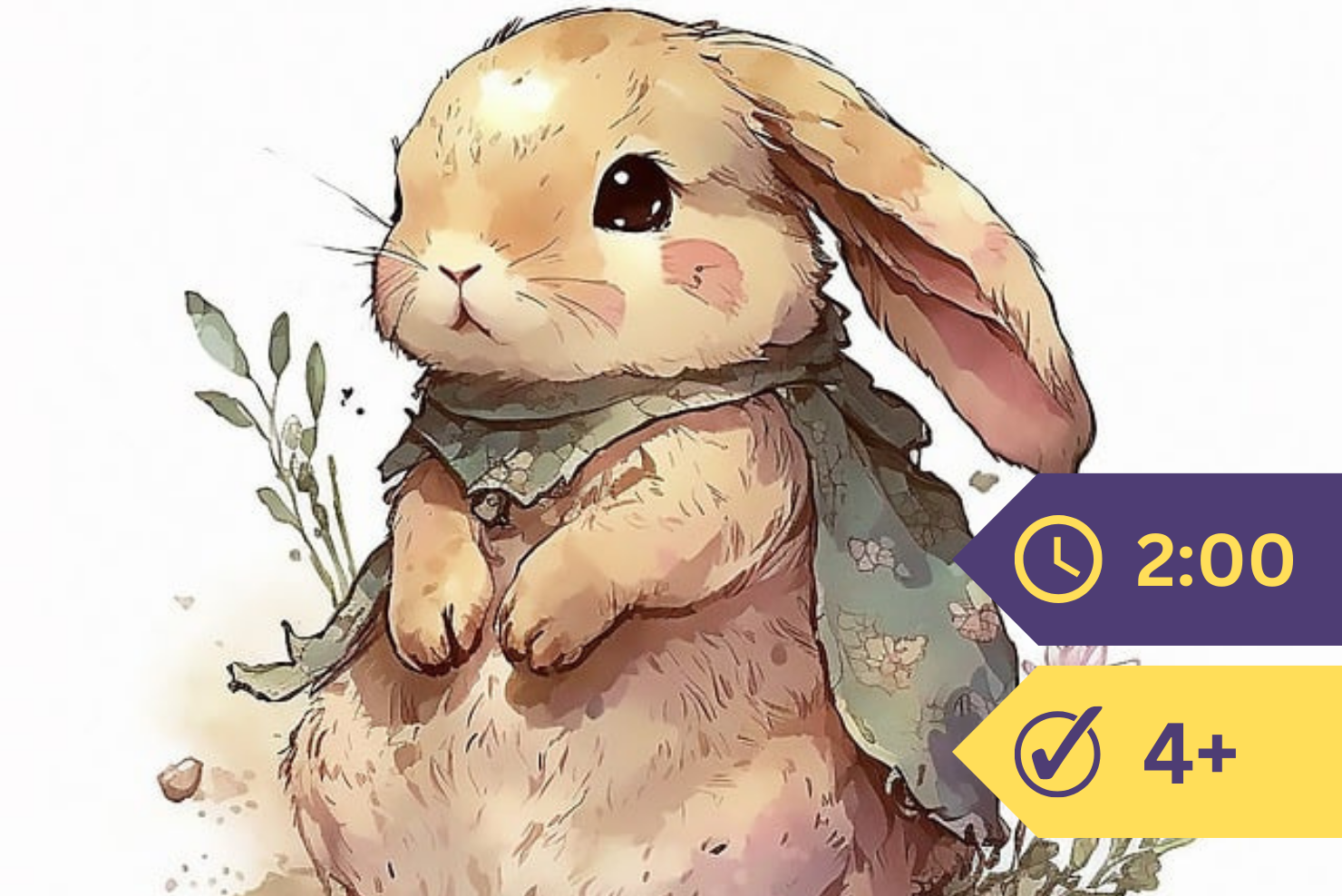
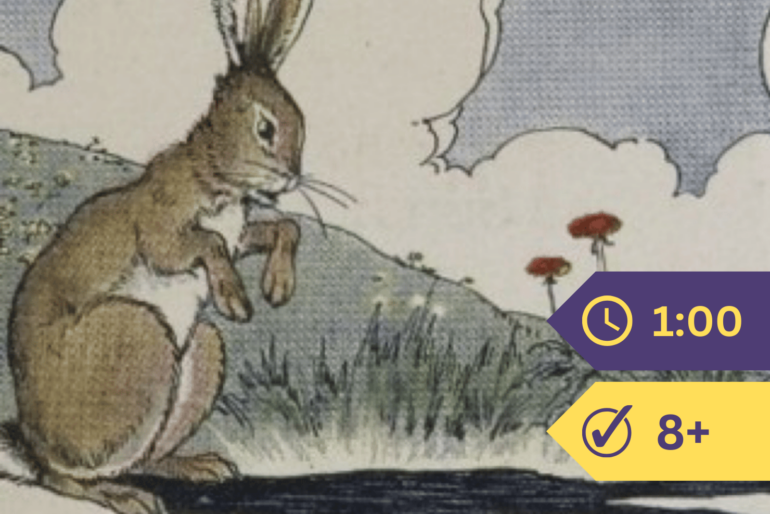
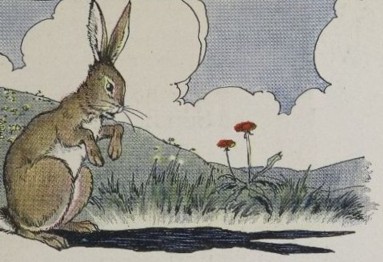
And when he came out of the warren in the early morning sunshine, and there saw the shadow cast by his long and pointed ears, a terrible fright seized him.

“Goodby, neighbor Cricket,” he called. “I’m off. He will certainly make out that my ears are horns, no matter what I say.”

This image has an empty alt attribute; its file name is i108_th.jpeg

Credits

This fable is attributed to Aesop, the ancient Greek storyteller believed to have lived around the 6th century BCE, whose fables have shaped moral literature across cultures for over two millennia. "The Hare And His Ears" reflects one of Aesop's recurring preoccupations: the way tyrannical authority makes even the innocent feel guilty. Though Aesop himself may be a legendary rather than strictly historical figure, the sharp wisdom embedded in these brief tales has kept them in continuous circulation from antiquity to the present day.