The Eagle and the Jackdaw

Summary


"The Eagle and the Jackdaw" is one of Aesop's short fables about the danger of blind imitation. When a Jackdaw watches an Eagle carry off a lamb, he convinces himself he has the same power — and dives boldly onto the back of a large Ram. His claws tangle hopelessly in the wool, the Ram barely flinches, and the Jackdaw is left helplessly fluttering until a Shepherd catches him. That evening, the bird ends up as a curiosity in the hands of laughing children, exposed for exactly what he is.

Listen to audio


Read Online

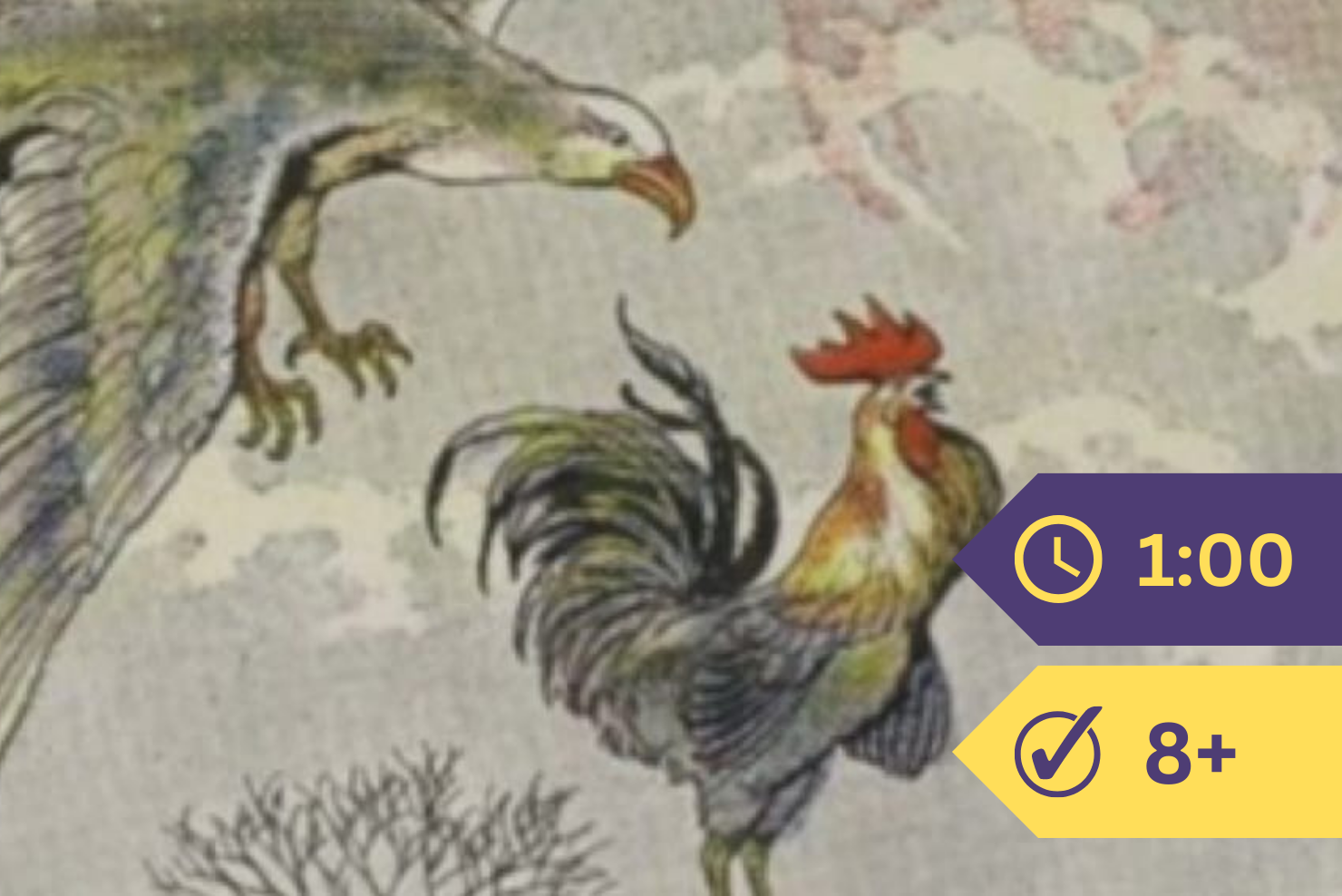
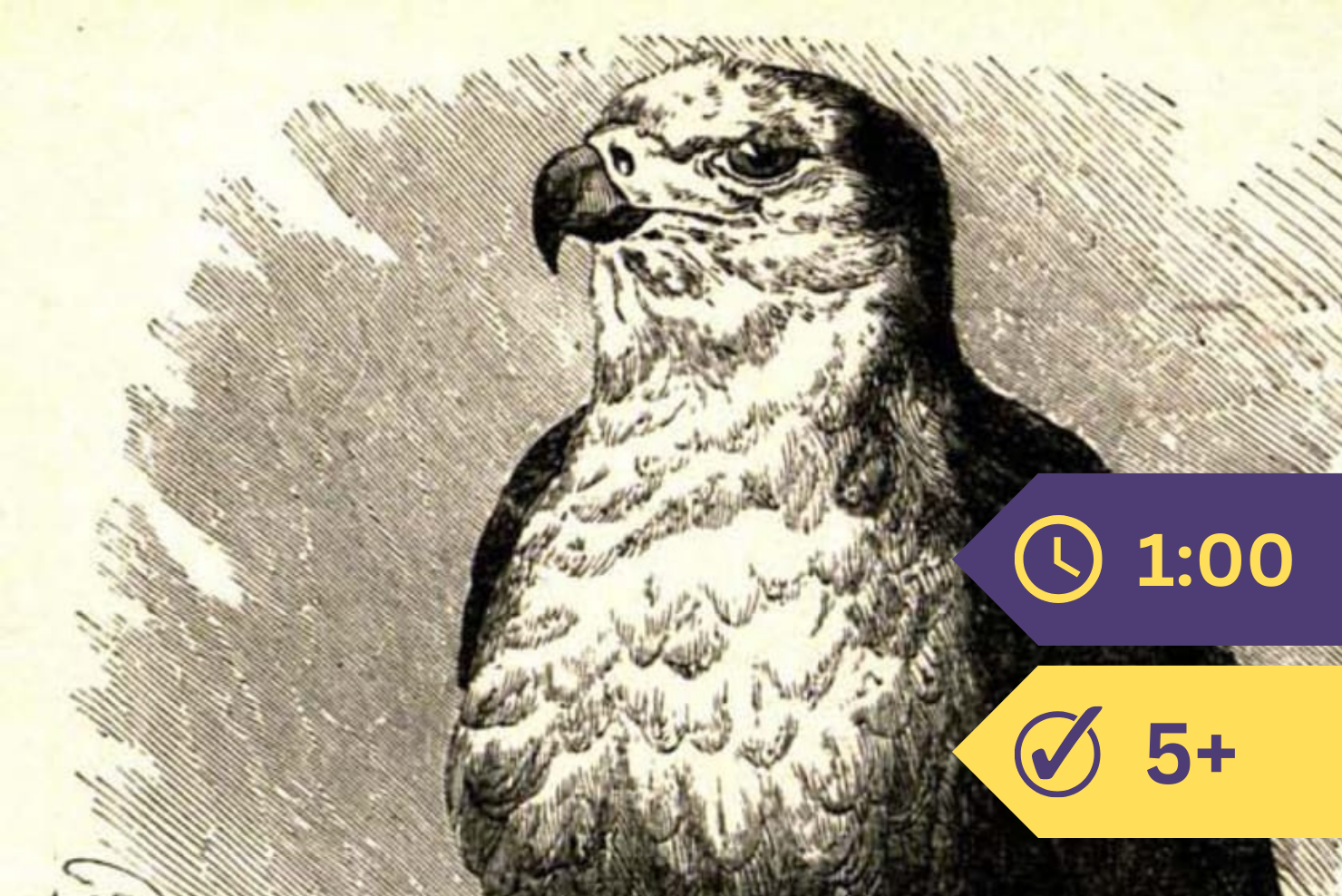
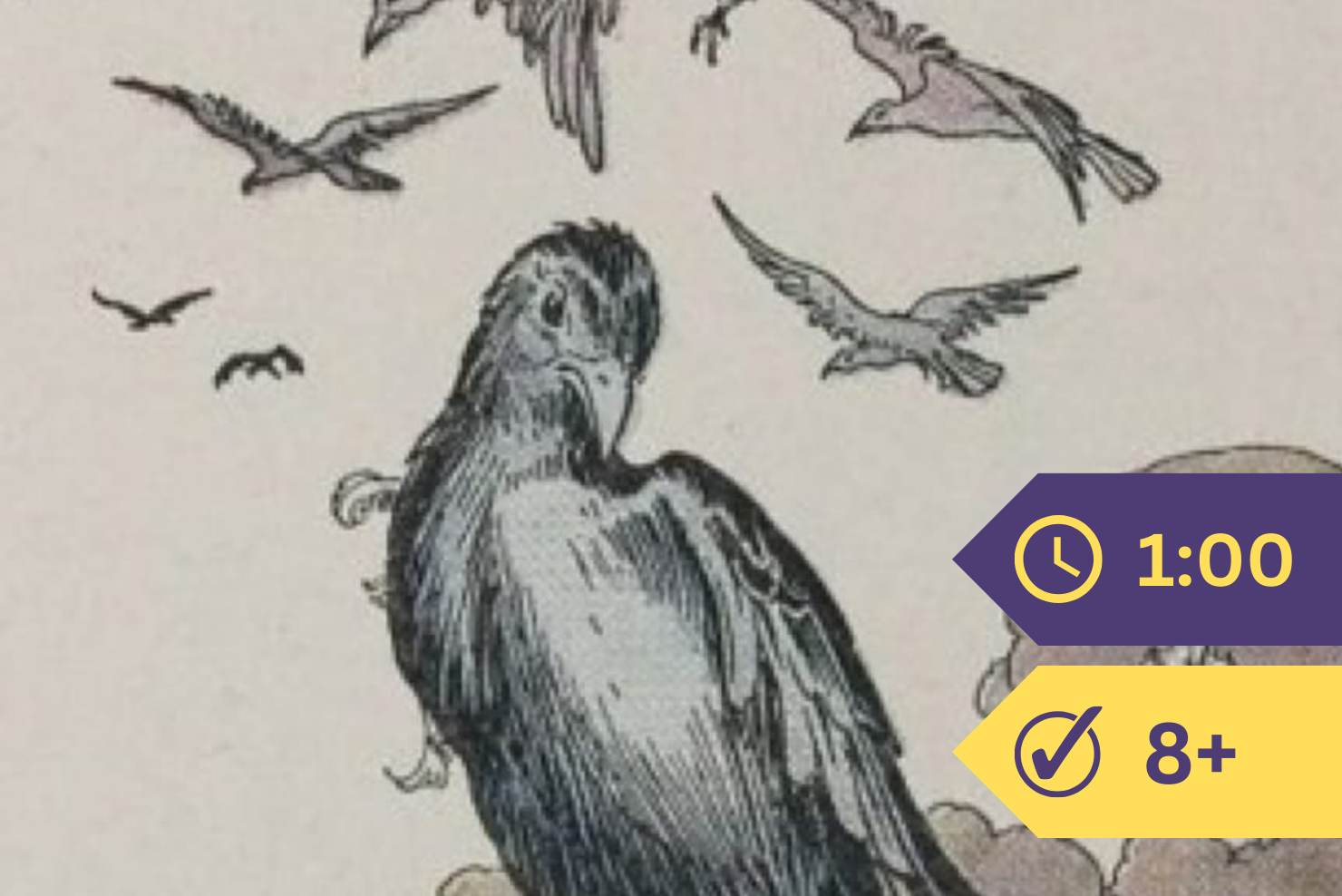
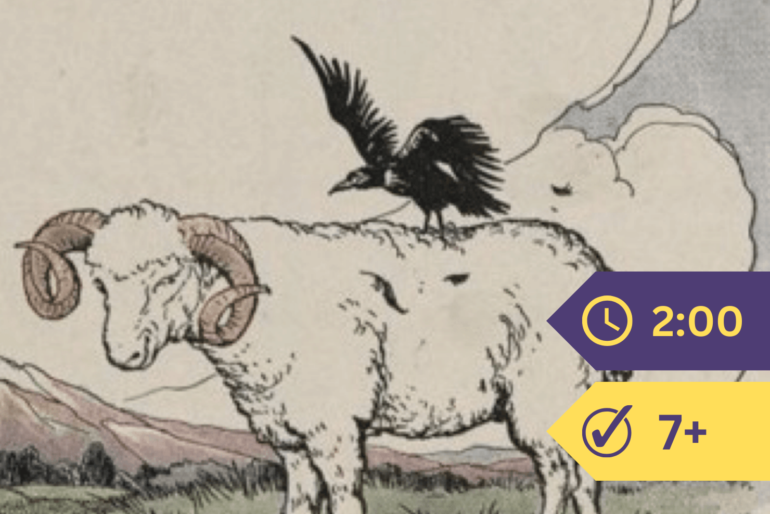
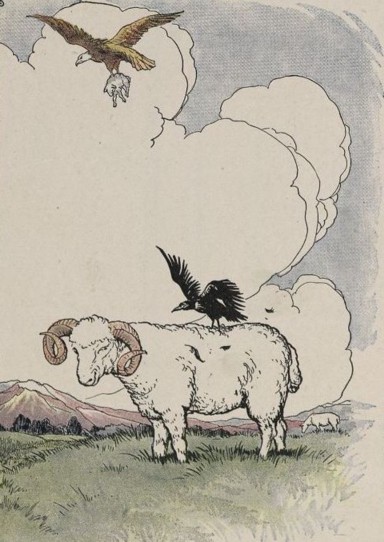
An Eagle, swooping down on powerful wings, seized a lamb in her talons and made off with it to her nest. A Jackdaw saw the deed, and his silly head was filled with the idea that he was big and strong enough to do as the Eagle had done. So with much rustling of feathers and a fierce air, he came down swiftly on the back of a large Ram. But when he tried to rise again he found that he could not get away, for his claws were tangled in the wool. And so far was he from carrying away the Ram, that the Ram hardly noticed he was there.
The Shepherd saw the fluttering Jackdaw and at once guessed what had happened. Running up, he caught the bird and clipped its wings. That evening he gave the Jackdaw to his children.

“What a funny bird this is!” they said laughing, “what do you call it, father?”

“That is a Jackdaw, my children. But if you should ask him, he would say he is an Eagle.”


Credits

Aesop was an ancient Greek storyteller, believed to have lived around the 6th century BCE, whose fables have been retold across cultures for over two millennia. His tales typically feature animals whose behaviour carries a pointed moral for human readers. "The Eagle and the Jackdaw" is a particularly compact example of his craft, delivering its lesson — know your own limits — in just a handful of lines.