
Mary E. Wilkins Freeman
Dive into Mary E. Wilkins Freeman’s complete short stories and fairy tales — read them online for free, filter to discover your favorites, or explore our article to learn more about the author.




Mary E. Wilkins Freeman (1852–1930) was an American author best known for her sharply observed fiction set in the small towns and rural communities of New England. Writing primarily during the late nineteenth and early twentieth centuries, she is regarded as a key figure in the American regional realism movement, alongside writers such as Sarah Orne Jewett. Her work gave voice to ordinary people — particularly women — navigating the constraints of village life, social expectation, and economic hardship in post-Civil War New England.
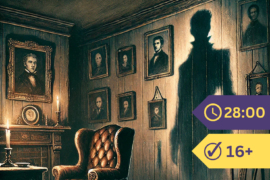
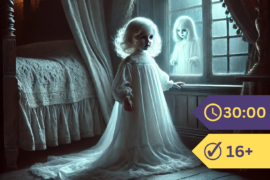
Freeman was also a notable contributor to the American ghost story tradition. Her supernatural tales are quiet and unsettling, rooted not in Gothic excess but in the psychological texture of everyday domestic spaces. Luella Miller is one of her most studied supernatural pieces, depicting a woman whose very presence seems to drain the life from those around her. The Shadows on the Wall builds its dread through family tension and an unexplained silhouette that lingers after a death, while The Lost Ghost takes a more melancholy tone, centering on a child’s spirit still searching for warmth and shelter. The Wind in the Rose-Bush and The Vacant Lot similarly draw their unease from domestic settings and the unresolved grief of ordinary households.
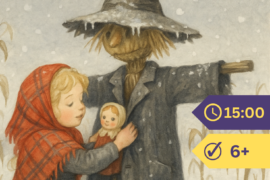
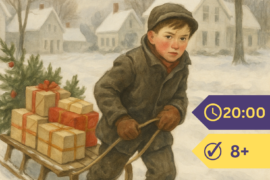
Beyond the supernatural, Freeman wrote warmly and observantly about the rhythms of New England community life, particularly around the holidays. Christmas Jenny portrays a solitary woman living apart from her village and the quiet judgment she endures, while A Stolen Christmas examines neighborly pride and small-town social friction during the holiday season. Her children’s fiction shows a different register entirely — The Christmas Masquerade and The Pumpkin Giant are inventive, lightly comic tales that draw on fairy-tale conventions while reflecting Freeman’s distinctive narrative voice.
Freeman received significant recognition during her lifetime, including the William Dean Howells Medal for Fiction from the American Academy of Arts and Letters in 1926. Her fiction has continued to attract scholarly attention for its frank treatment of women’s independence, social conformity, and the quietly eerie undercurrents of rural American life. She remains an important and frequently anthologized figure in both American regionalist literature and the history of the American short story.