Some men went hunting. They had been planning it for weeks — the food they’d bring, the great open-air days, what they might take home. It was to be an adventure.
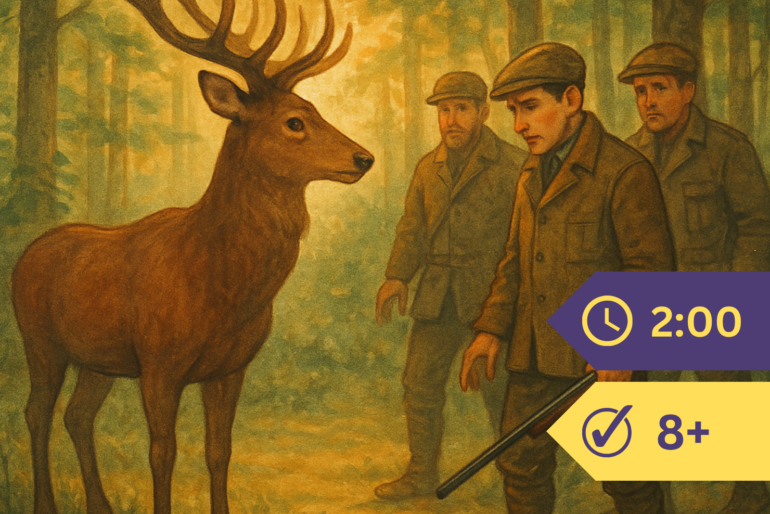
On the first day, they found a deer.
He was beautiful — large and gentle, with soft brown eyes. He had left his mate to go foraging and had walked into the men before he knew they were there. Now he stood perfectly still, unable to run, staring at them.
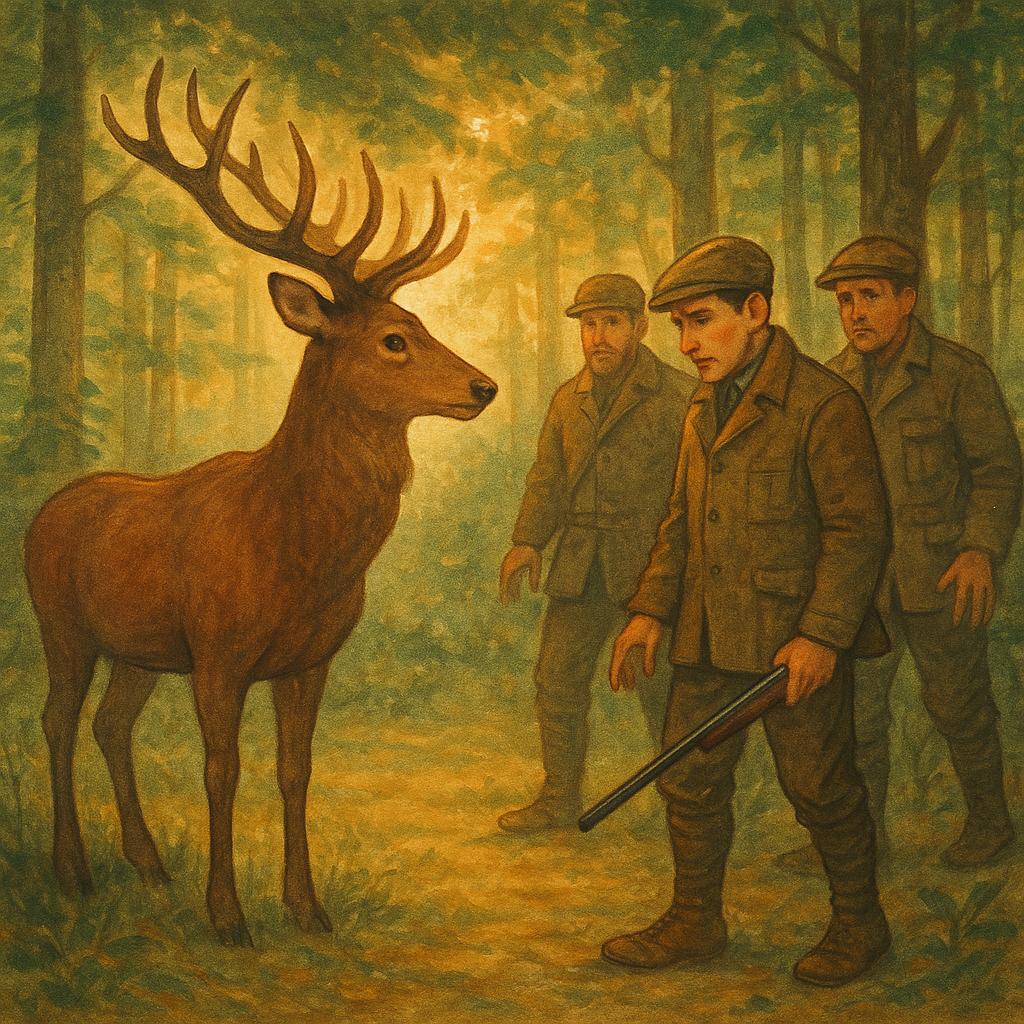
Oh men, he was trying to say — you could see it in his face, in the stillness of him. I do no harm. I am gentle. I have a mate. You are so much stronger than I am. Can’t you have pity?
“Sometimes,” said one of the men, “I cannot bear to shoot one of these creatures. They look so sad.”
“You say that every first day,” said another. “Think of the venison.”
And the kindness went out of the first man’s face, and the shot rang out.
The rest of the trip was like that — what the men called luck, and what was in truth the end of many quiet lives in the woods. They saw deer everywhere, but none from the family of the buck they had killed on that first morning.
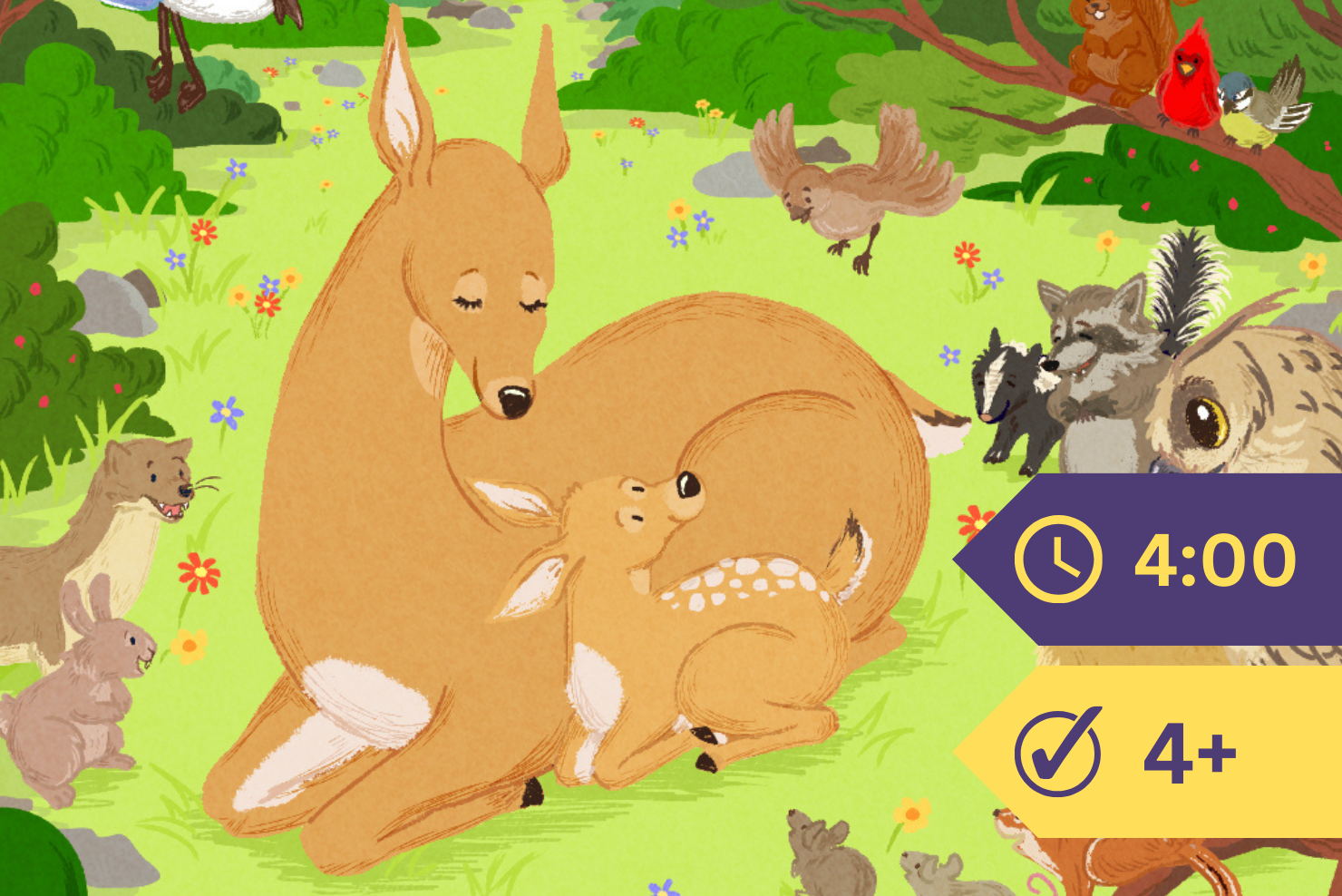
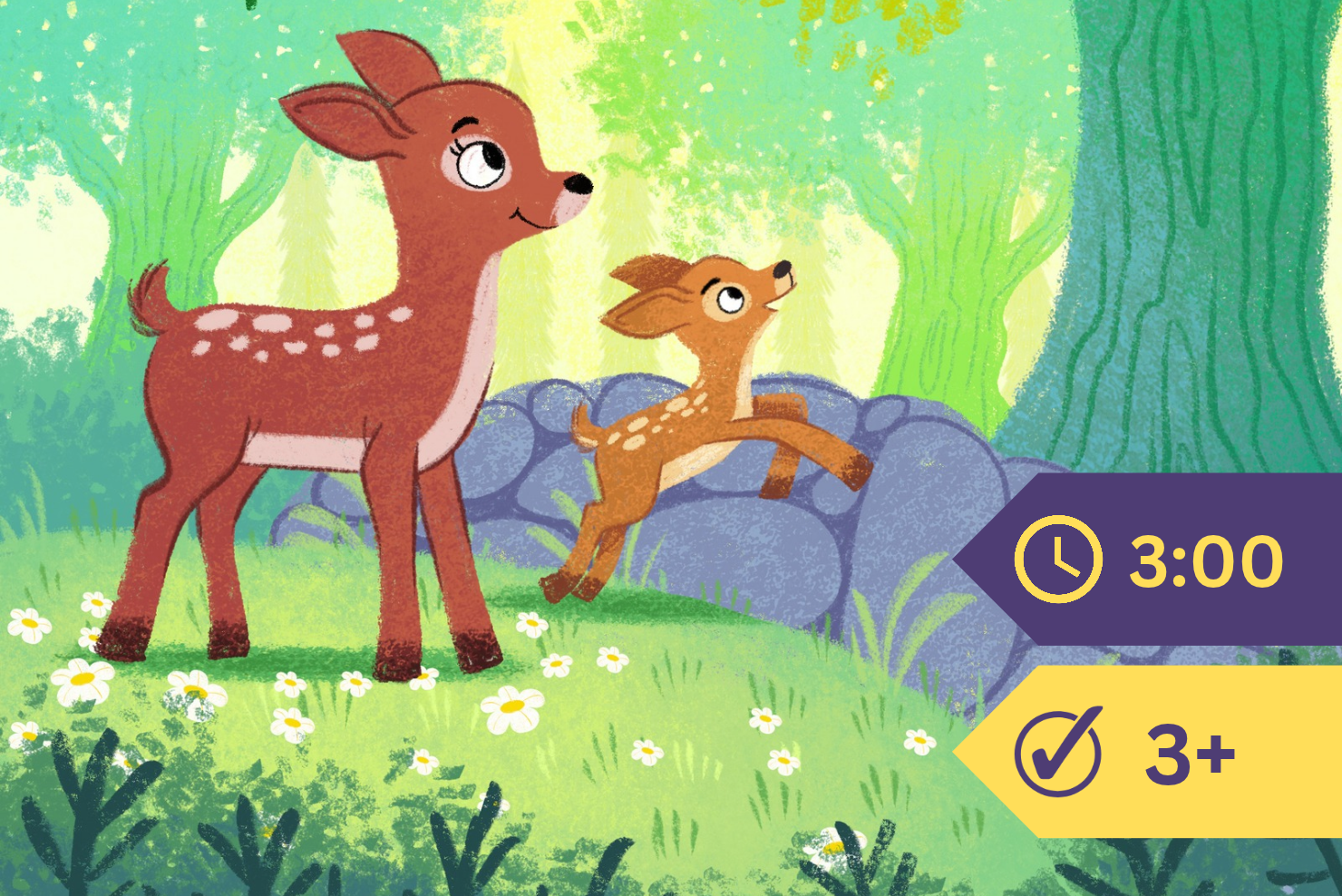
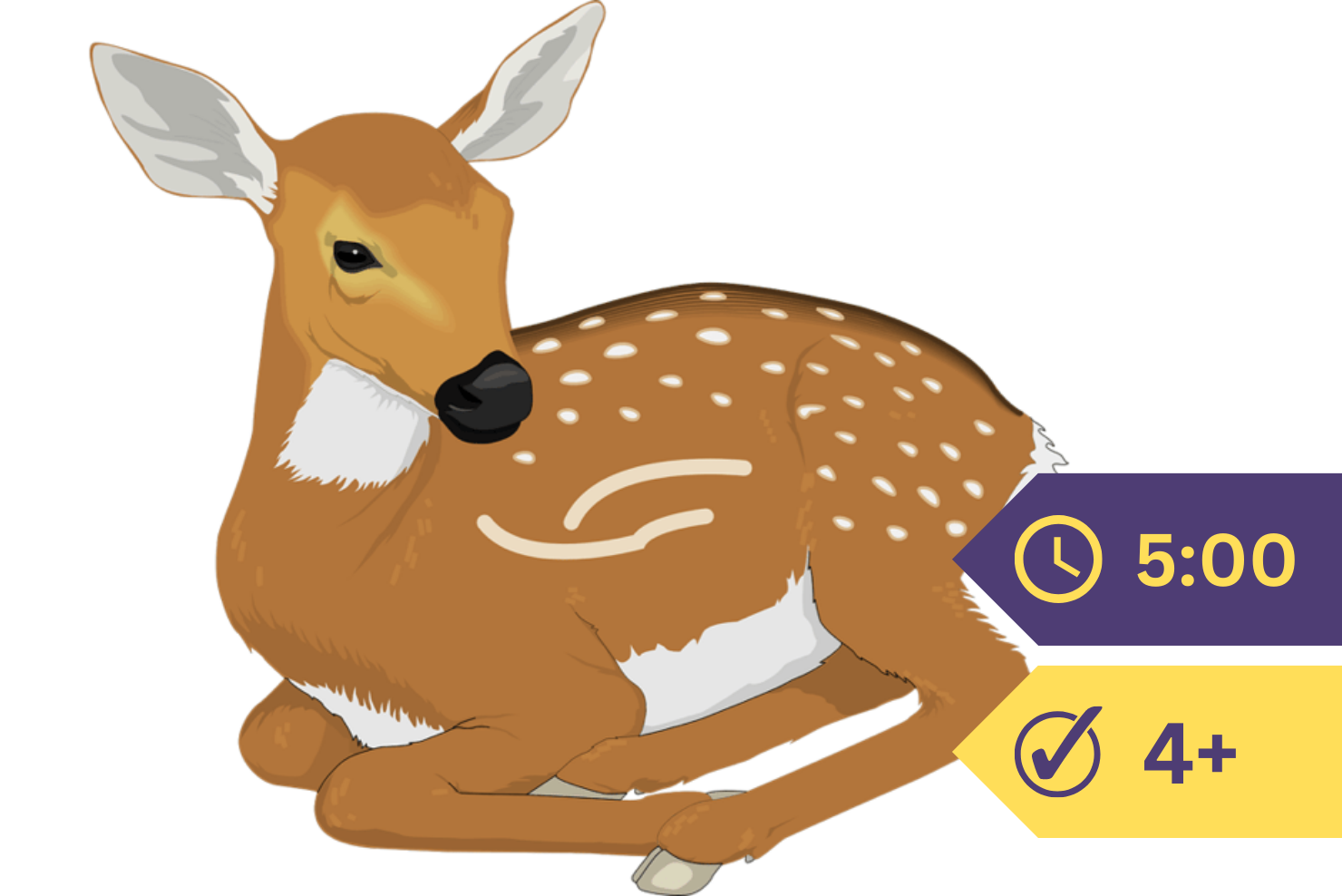
On the fifth day, they came across the doe. She had soft brown eyes just like her mate, and a fawn beside her.
“We could take her,” said one man.
“There’s a fine for shooting a doe,” said another.
“Who would know?”
The man who had felt something on the first day spoke again. This time, he meant it.
“I won’t shoot her. I can’t. She’s running from us, and I’m letting her go.”
The doe and her fawn vanished into the trees. The fawn pressed close against its mother as they ran — and the mother’s heart was hammering, because she already knew. She had been searching for days. She understood that the men with the guns had taken him.
I am alone, she told her fawn. But I have you. You are still safe.
When the hunters went home, the man who had refused to shoot the doe kept his word. He never went hunting again. He couldn’t eat the venison. He kept seeing those brown eyes in the clearing — the pleading, the stillness, the question in them that had no answer. Something inside him had told him about the doe waiting in the woods.
He never went again.