I am a Scotchman — born in Scotland, where I lived for many years of my boyhood utterly, profoundly, and completely ignorant of the meaning of Christmas. It is true the opening of the little “English chapel” in my town was called Christmas, and the shutting of a few shops dimly signalled the fact that that was Christmas Day — but there was perhaps only one person in every hundred who paid any attention to the festival at all. In Scotland, New Year’s Eve and New Year’s Day are the great seasons of rejoicing, and “jolly old Father Christmas” has very few subjects across the border.
From this comfortable ignorance, however, I was roused one December in a way that was by no means pleasant. I found myself living in a large town in the north of England, with all my Scotch habits, ideas, and associations still clinging around me. The town held several hundred thousand souls, but there were only two persons in it that I could say I knew. As December went on, the preparations for Christmas advanced with great rapidity. To me these preparations were both new and interesting — everybody seemed to be in high spirits, and the shops and markets were crammed with all kinds of food and drink for the season.
I woke up on Christmas morning — it was a Wednesday — with the usual sense of “a hard day’s work ahead.” Coming down to my parlour, I found it decorated with holly and mistletoe; I heard the bells ringing cheerfully; and before I had time to wonder whether I had slept half the week, my landlady entered with a pleasant face and the hearty English greeting: “A merry Christmas to you, Sir!” The whole mystery of the day was cleared up at once, and I began to feel “a new sensation.”
“I suppose you will dine out today, Sir?” said the landlady, arranging the breakfast table.
“Dine out?” I said. “No — why should I dine out?”
“Oh, most gentlemen in lodgings dine out on Christmas Day with their friends,” was the reply.
My friends, however, were far away. Among the thousands of family parties in that town on that day, there would be no chair placed for me. I began to feel quite lonely. I finished my breakfast in a kind of reverie; read dull news in a dull paper; looked out of the window at the snow; walked up and down my room and whistled; tried to read a page of Shakespeare and failed. Do what I could, the sense of loneliness grew — and before Christmas Day was many hours old, I was heartily wishing it were past and done with.
In this mood I sallied out for a walk. The air was clear and frosty; the snow felt hard and crisp underfoot, and the exercise was delightful. But I might as well have been on a prairie. The streets were silent and deserted; the shops were all shut; and the occasional appearance of a policeman, or the rattling of a cab, gave the only signs of life in streets through which you could scarcely have pushed your way the night before. I knew it was no use calling on my two friends, who had both told me they were “going into the country to spend Christmas.” I walked on, and the solitude became quite oppressive.
At last I left the streets and took to the fields. But here too there was the same calm repose that made me feel almost like an intruder. I made a rush homeward — but now the streets were full. Crowds of people were returning from church; on every side I heard kind greetings and warm wishes; friends were shaking hands as they met on that happy day. This was worse and worse. The church steeple would have shaken hands with me as readily as any one in that great crowd. I felt I had no business there, and I hurried home faster than ever.
But at home there was “a party” — the clattering of dishes, the hurrying of feet, and peals of childish laughter that did nothing to calm me down. My landlady’s invitation to join the party was responded to — I blush to say it — with a half-savage “No.”
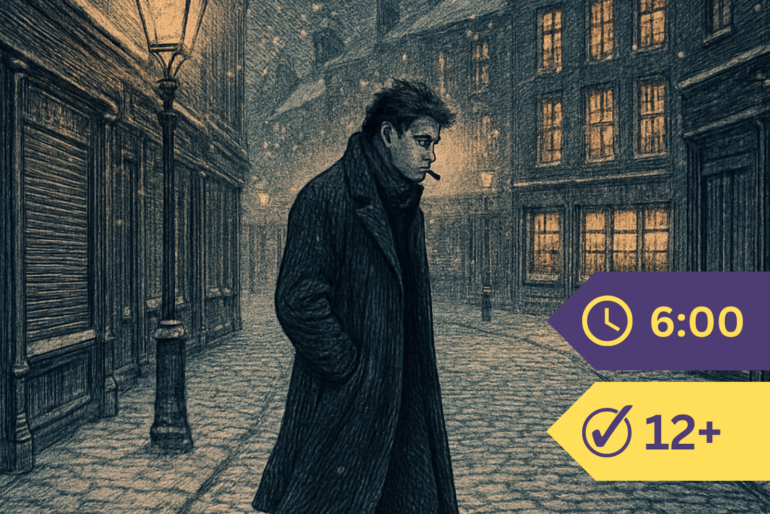
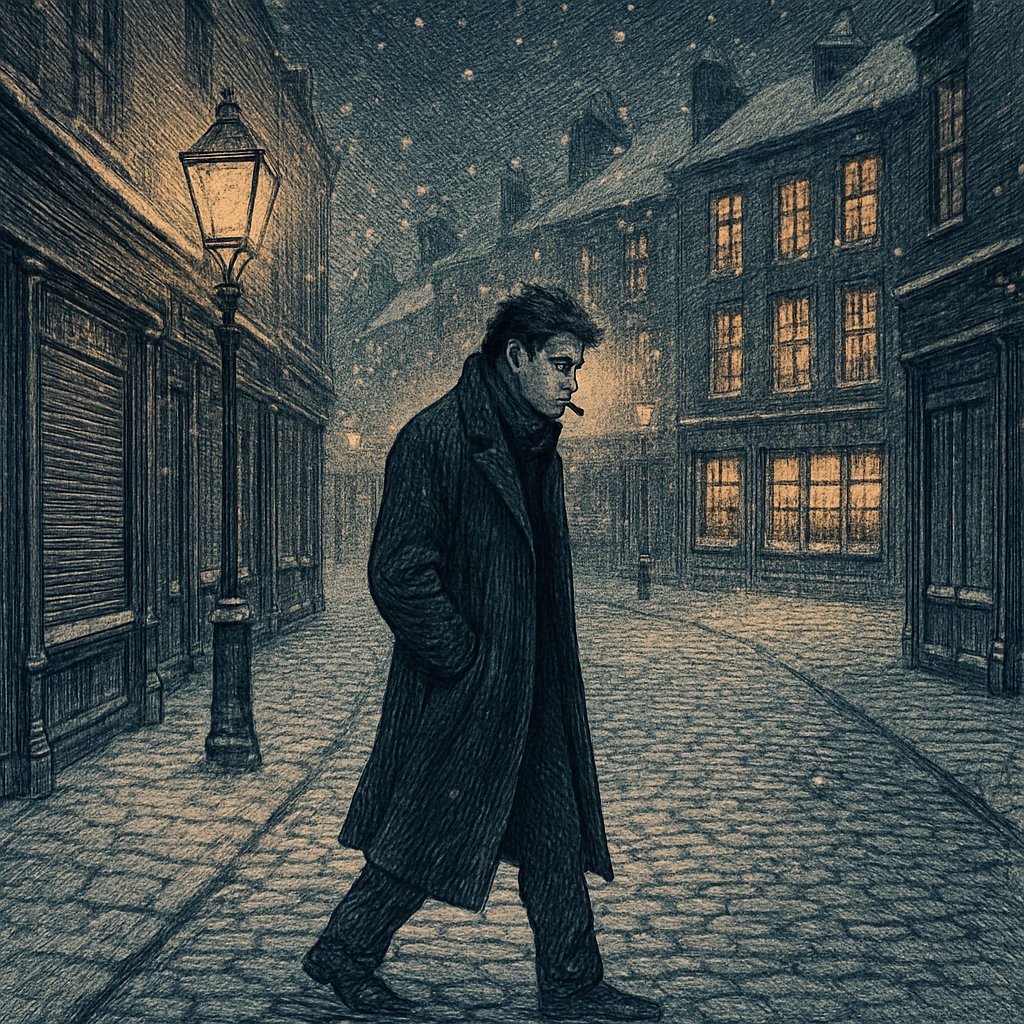
Unable to rest, I hurried out again with a cigar between my lips. It was now dark, and every house seemed to be one great blaze of light sending forth sounds of music and mirth. Every person in the world seemed to be happy but myself. Cigar after cigar was lit and consumed. The wind arose and the snow came down, and then I felt relief. The wind, I thought, shook hands with me, and the snow patted me on the back; and I began to feel somewhat more kindly disposed towards my fellow-creatures. At last I forgot all the dreariness of that long Christmas Day in sound, refreshing sleep.
This was my initiation into the mysteries of Christmas. But since then, no one has enjoyed its pleasures and gaieties more than A Scotchman.