
Unknown writer
Dive into a rich world of fairy tales, fables, and legends collected from unknown writers across cultures and centuries — read them online for free, filter to discover your favorites, or explore our article to learn more.























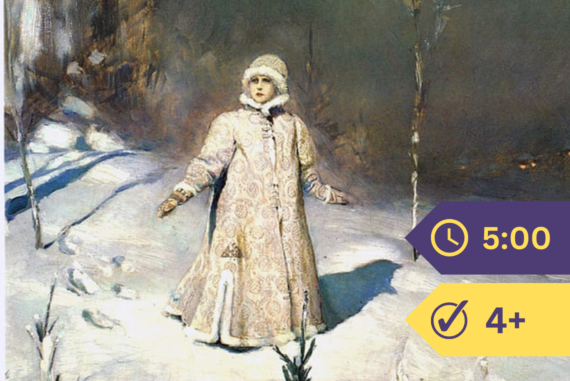













Throughout literary history, countless stories have been passed down without a named author attached to them. These are tales that belonged first to oral tradition — told around fires, at bedsides, and in village squares — before eventually being written down by collectors, translators, and editors whose own names often faded into the background. The works gathered here under “Unknown Writer” represent this vast and varied tradition, drawing from folklore, mythology, and folk literature spanning Europe, Asia, Africa, and beyond.
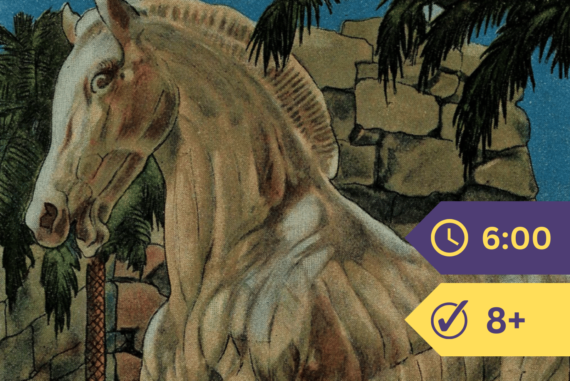
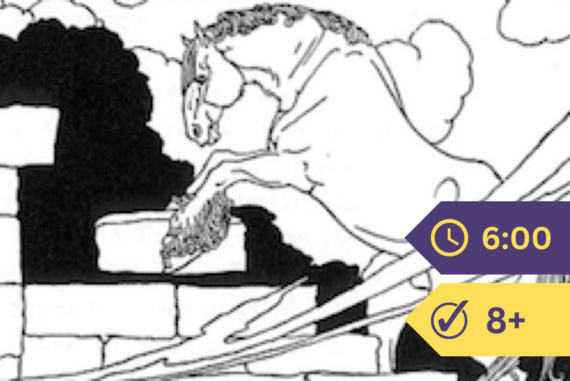
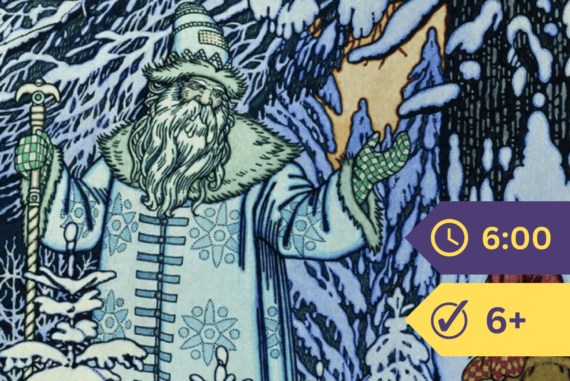
The range of cultures represented in this collection is striking. Baba Yaga carries the chill of Slavic forest spirits, while The White Hare and the Crocodiles and My Lord Bag of Rice reflect the rich storytelling traditions of Japan. Father Frost (Morozko) belongs to the Russian folk canon, and The Old Man Who Made Trees Blossom draws on themes of virtue and reward common in East Asian folklore. Meanwhile, stories like The Trojan Horse reach back to ancient Greek legend, and Why the Elephant Has Small Eyes echoes the explanatory fable traditions of West Africa.
Recurring themes across these stories include the triumph of the humble and kind-hearted, the consequences of greed and cruelty, and the intervention of magical or supernatural forces in human affairs. A poor boy rises to wealth and dignity in Dick Whittington and His Cat; a spoiled prince learns hard lessons in The Origin of Rubies; and a quick-witted trickster outwits those around him in Till Eulenspiegel. Animals speak, bargain, and outwit one another in fables like The Leopard and the Ram, while enchanted objects and hidden identities drive the plots of tales such as The Black Bowl.
The anonymity of these stories is itself historically significant. Before the era of copyright and named authorship, folk narratives were community property — reshaped by each teller, adapted to local customs, and carried across borders through migration and trade. Many of the tales collected here were first written down in the nineteenth and early twentieth centuries, during a period of intense scholarly interest in folklore across Europe and Asia. Their unknown origins do not diminish their literary value; on the contrary, they speak to the universal human impulse to make sense of the world through narrative. This collection stands as a testament to that enduring tradition.