We think of history’s great dates — of battles won, of discoveries made — and scarcely realise that one of the greatest in living memory is one that almost all of us remember. Even those who were only babies then have heard about it so many times since that they feel, in some way, that they were there.
Early in the morning of the eleventh of November, 1918, peace came to a world that had been at war. The conflict had drawn in so many nations that it needed a name unlike any other. People called it the Great War.
It was great in its immensity, its idealism, its heroism. Great, too, in its horror: the machine guns and poison gases and submarines, the suffering and confusion it left behind.
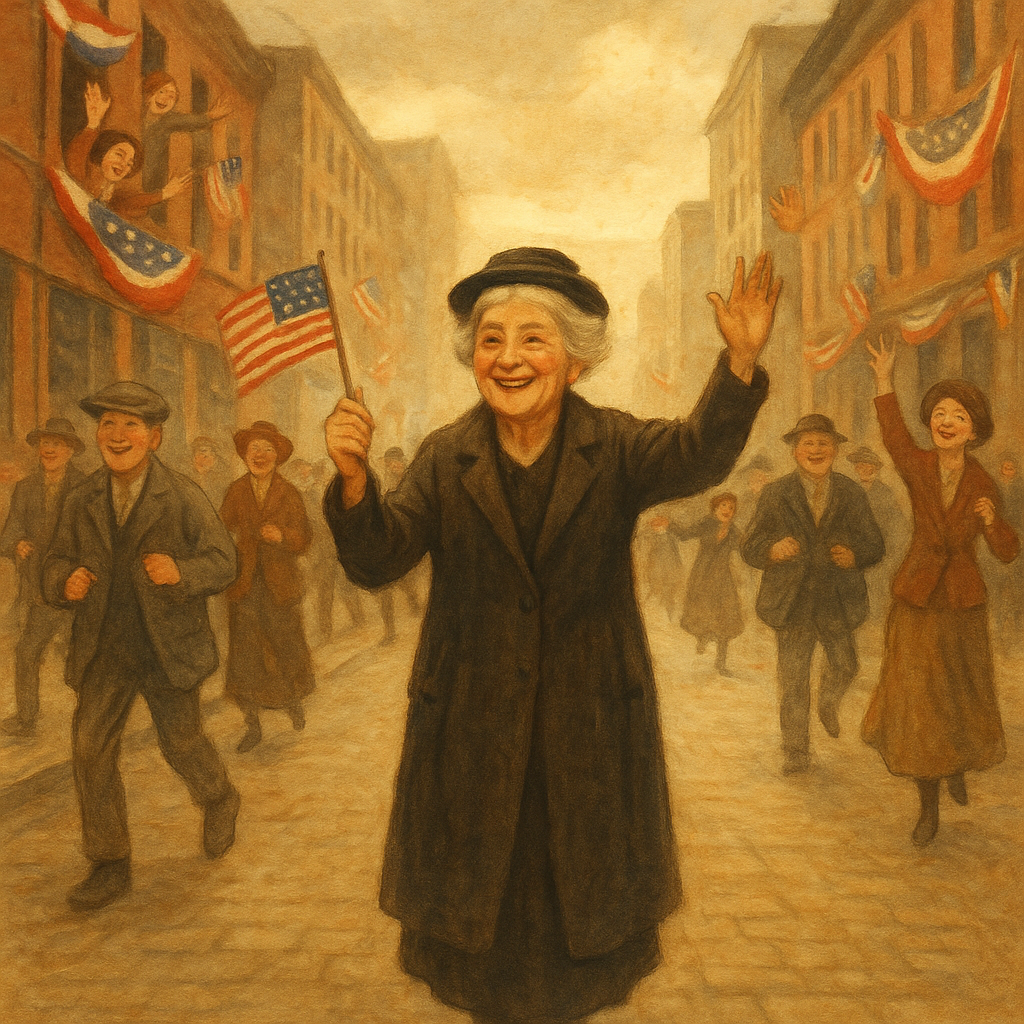
Four days earlier, on the seventh, a false report of peace had spread through the cities. People hadn’t known yet that it was false. They poured into the streets singing and shouting. They waved flags from windows and shared their joy with strangers they had never met and would never meet again.
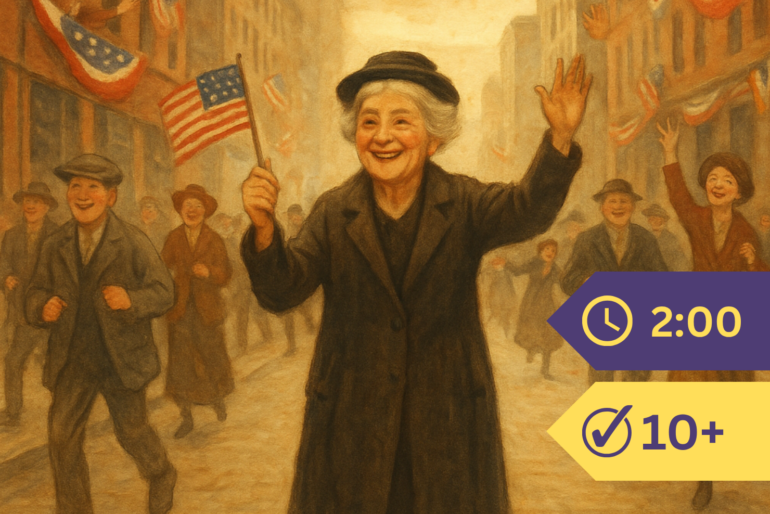
One grey-haired woman walked the streets all that day, waving her flag and smiling at passersby. Her son had been fighting. He was safe now, she believed — she wanted everyone to share in the happiness that had come over her.
Then the correction came. A mistake. Not yet.
When the real news arrived on the eleventh, people were more careful. They waited to be sure. And when there was no doubt, it struck deeper than any false report could have.
Joy was not to be kept to oneself. Joy was to be shared. Joy was something one didn’t have to be brave about — it didn’t demand self-control or endurance. It just arrived, and it asked only to be let out.
In the cities, people flooded the streets. They rode on trucks with strangers who felt like old friends. Older women walked with a new lightness in their steps. People sang. Tin pans were beaten in the streets. Solemn people were no longer solemn.
In small towns, the church bells rang before dawn. Village bands led processions that went on through the night.
Peace. The very word had become more thrilling than it had ever been before.