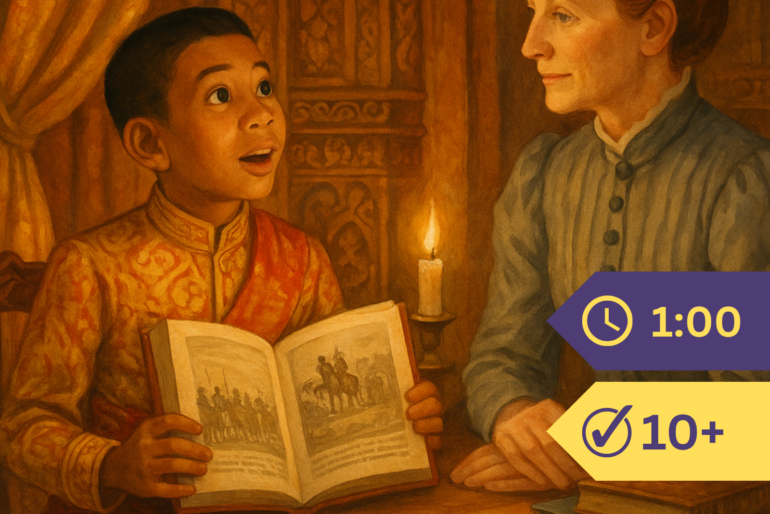
When the King of Siam was a young boy, his governess was teaching him American history. He read about Abraham Lincoln — about his honesty, his humor, his long struggle, and how he freed the slaves, and how he was murdered for what he believed in. The boy was so moved by all of it that he put down his book and said:
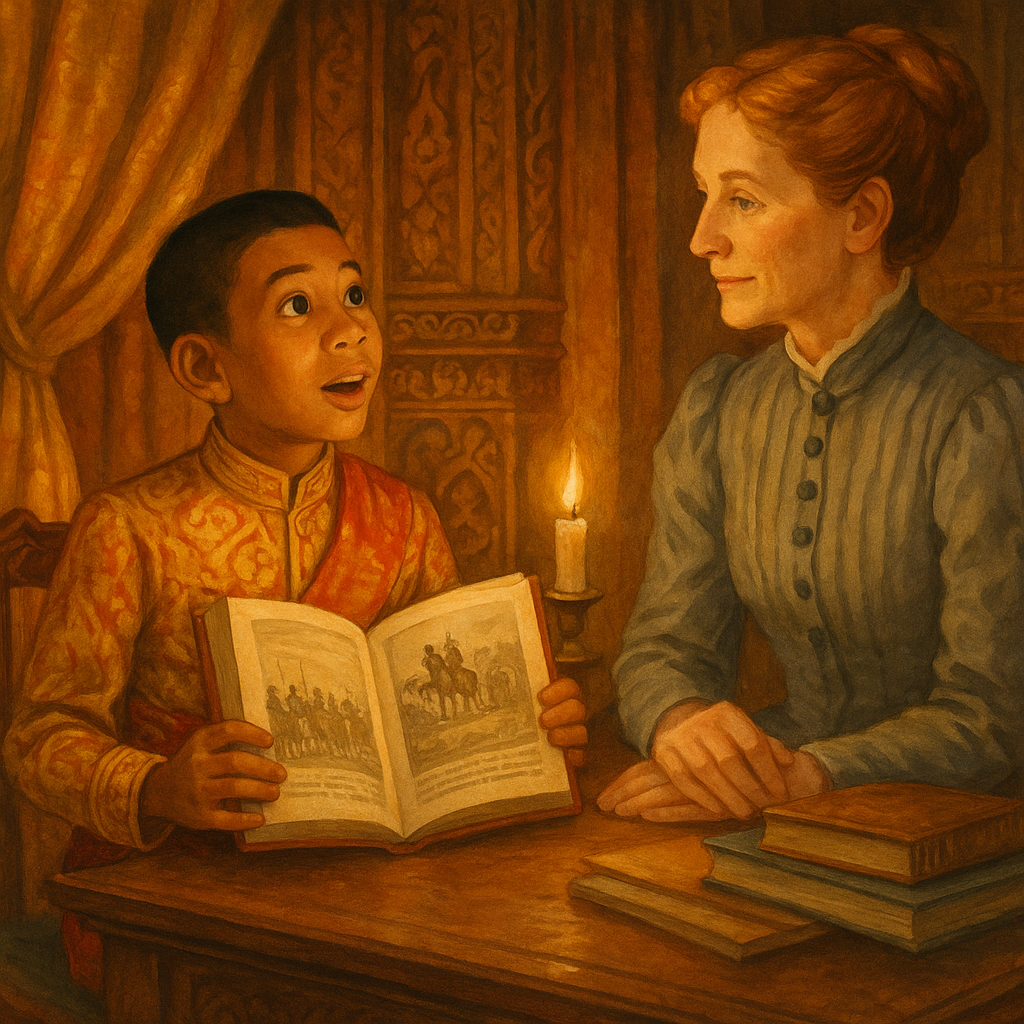
“When I become King, I will free the slaves of the palace.”
“Will you promise me that?” asked his governess.
The boy promised.
And when he became King, he kept his word. The wives and servants held in the royal palace — four or five hundred people — were freed. Each was given money and help to start their life over as free people.
That story came to me from my own mother, who knew the governess herself.
I’ve been thinking today about what it means that Lincoln is so well-known that we can hardly find a new story to tell about him. He was so honest, so simple, so human a person that people around the world — including a boy-king in far-off Siam — felt they knew him. Not just as a historical figure. As Abraham Lincoln, the man.
And that boy-king acted on that knowledge, long after Lincoln was gone, in a palace Lincoln never saw.