Winter was sulking.
“I do think,” said Winter, “that you could be a little more polite about it. It always makes me furious — I hang about and hang about, and all anyone says is isn’t the winter ever going?“
“Are you planning to leave soon?” asked Mr. Sun.
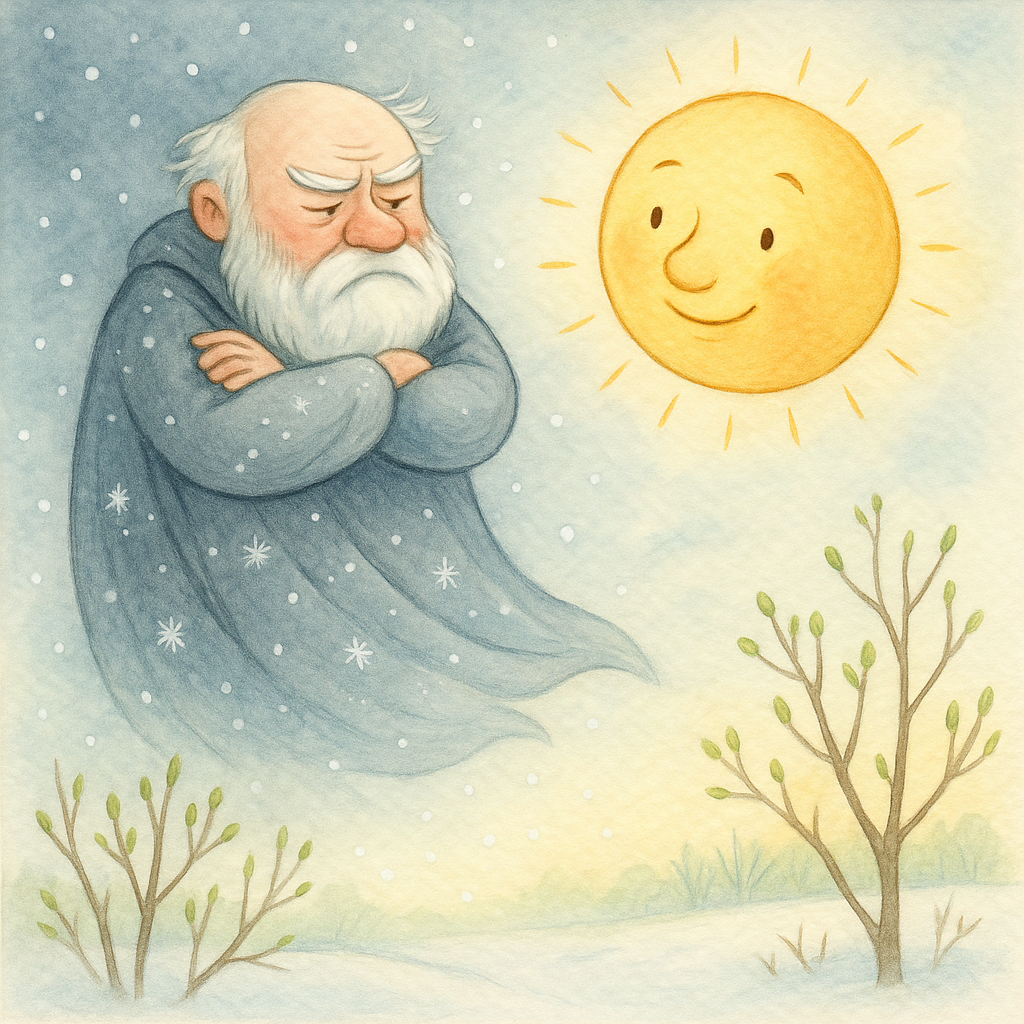
“Tomorrow,” said Winter. “I’ll really have to. And after one last little snowstorm — one grand farewell — there’ll be no more of me until next year. A sad thought for me, though I notice it’s not particularly sad for anyone else. They spoil that young Spring dreadfully.”
“No more blizzards?”
“I can’t,” said Winter, a little mournfully. “You’ll cross the Equator, and that’s that. But I’ll have my fun first — I’ll make them think it’s already spring, and then I’ll give them my grand farewell tomorrow.”
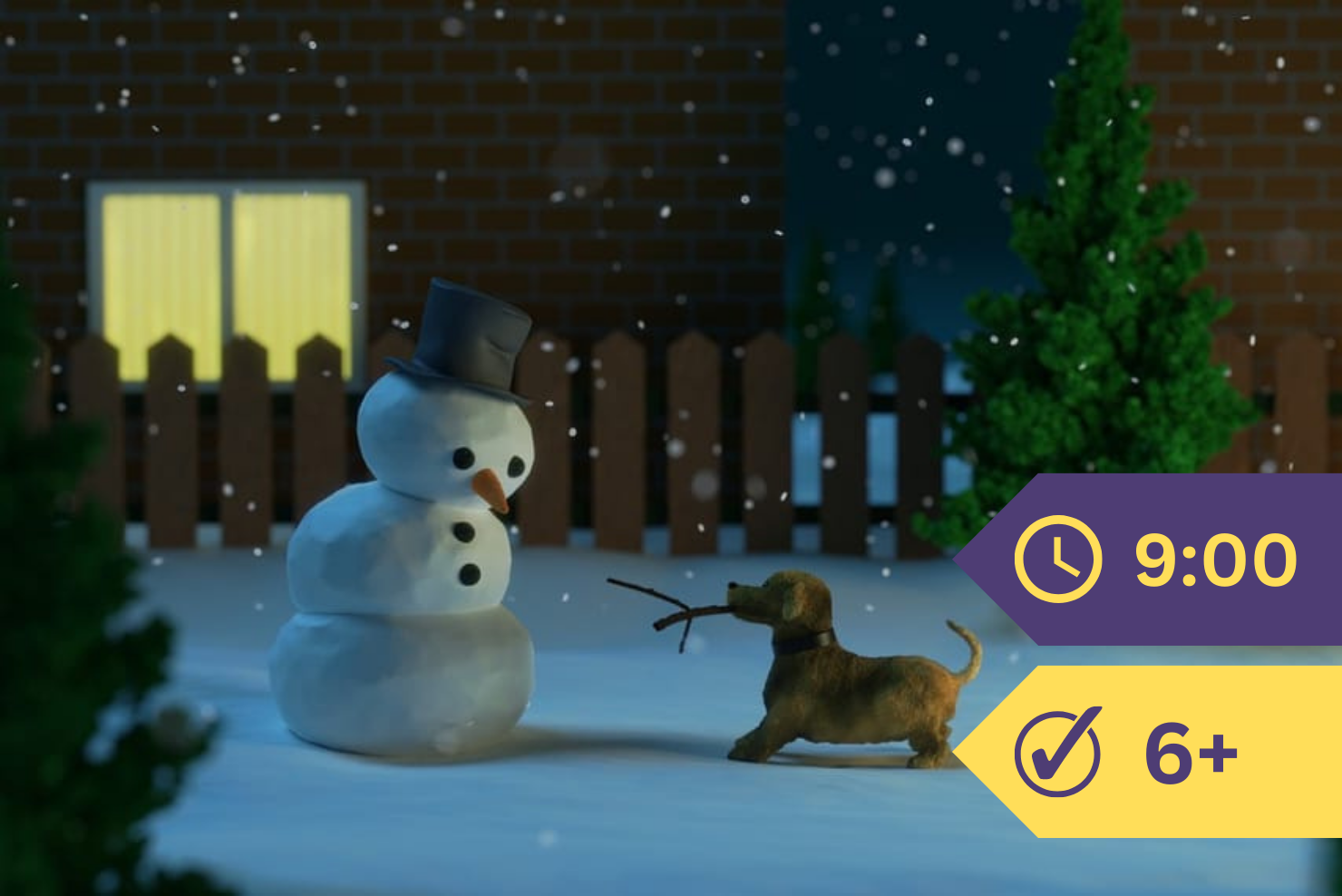
And sure enough, the next morning there was a light fall of snow. Spring hardly knew what to make of it.
“That’s the winter’s bow,” said Mr. Sun, “as he makes his exit.”
And Spring sent the early breezes out with a message: Whisper to the birds, the buds, and the children that I’m really, truly here — and that winter has made his exit at last.