Summary


"Winter" by Robert Southey challenges the familiar image of Old Winter as a hunched, frost-bitten figure trudging alone through sleet and snow. Instead, Southey pictures him settled in a great armchair by a roaring hearth, surrounded by children at Christmas mirth — telling merry jokes, dark tales of murder, or ghost stories that unsettle the night, pausing only to stoke the fire or taste a cup of ale. The poem plays warmth against cold, company against isolation, in vivid and surprising contrast.

Listen to audio


Read Online

A wrinkled, crabbed man they picture thee,
Old Winter, with a rugged beard as gray
As the long moss upon the apple-tree;
Blue-lipt, an ice-drop at thy sharp blue nose,
Close muffled up, and on thy dreary way,
Plodding alone through sleet and drifting snows.
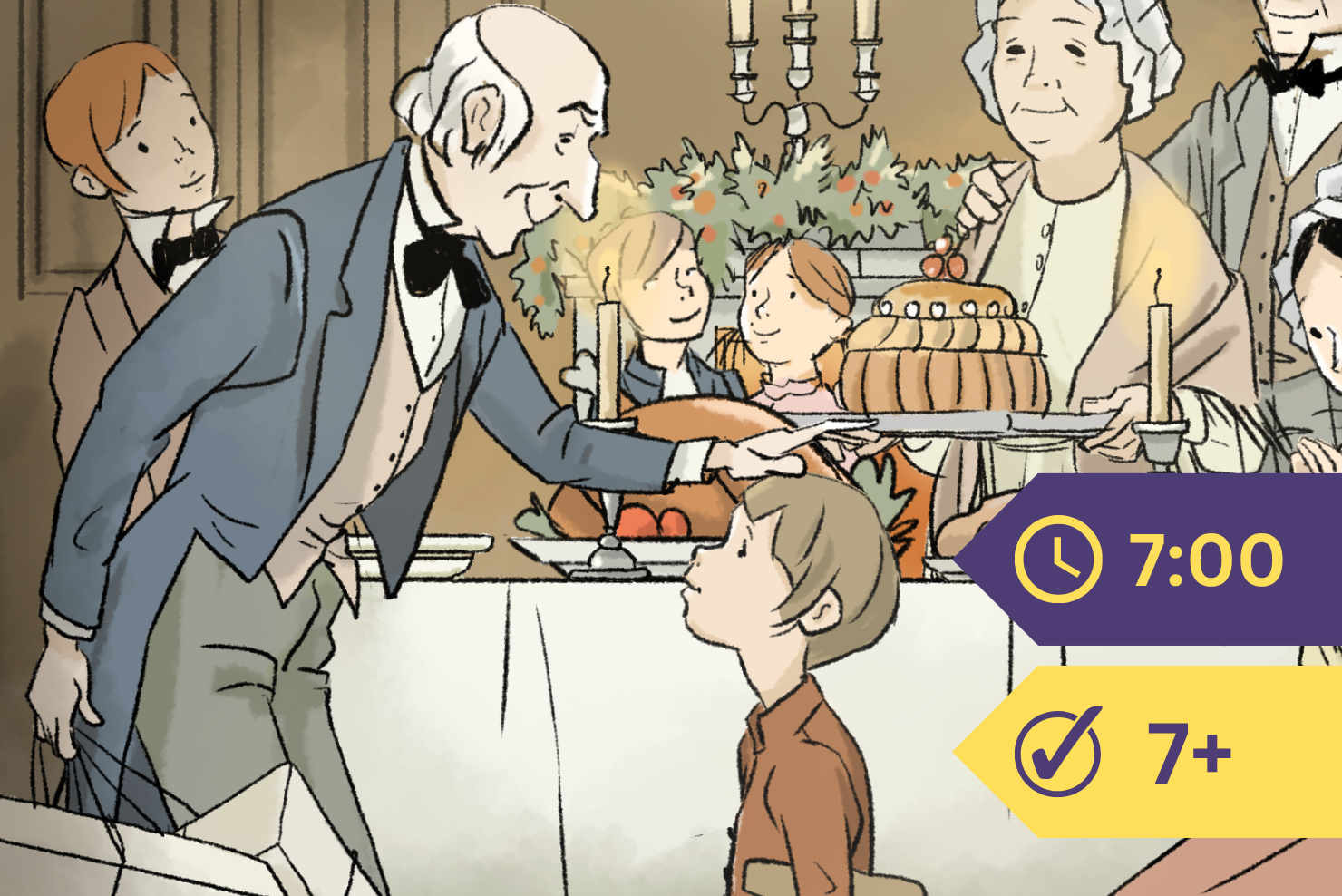
They should have drawn thee by the high-heapt hearth,
Old Winter! seated in thy great armed chair,
Watching the children at their Christmas mirth,
Or circled by them, as thy lips declare
Some merry jest, or tale of murder dire,
Or troubled spirit that disturbs the night,
Pausing at times to rouse the mouldering fire,
Or tasté the old October brown and bright.
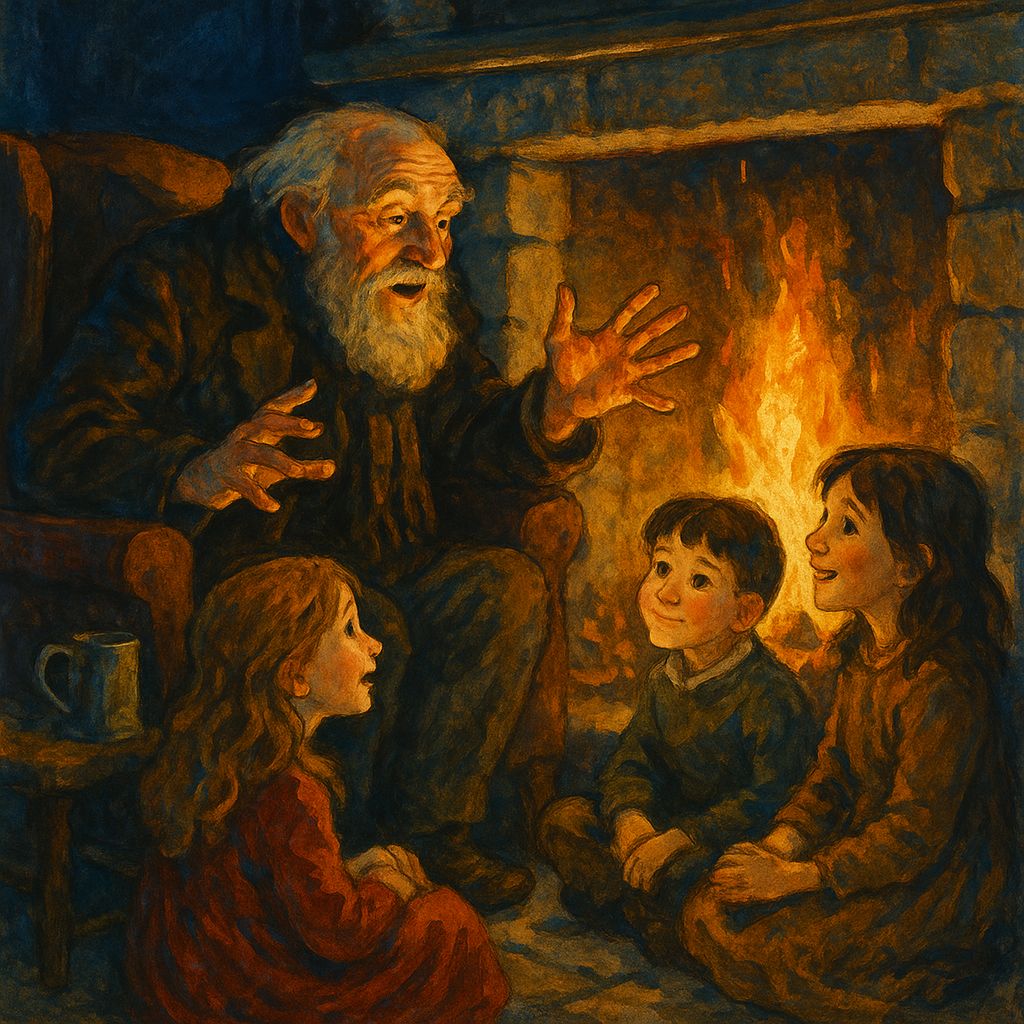

Old Winter seated by the fireside telling stories to children, illustrating Robert Southey's poem "Winter"

Credits

Robert Southey was an English Romantic poet (1774–1843) and Poet Laureate of Great Britain, known for his prolific output in both verse and prose. "Winter" showcases his gift for concrete, sensory imagery and his fondness for reimagining familiar figures in unexpected, humanising ways.