Two Worlds

Summary


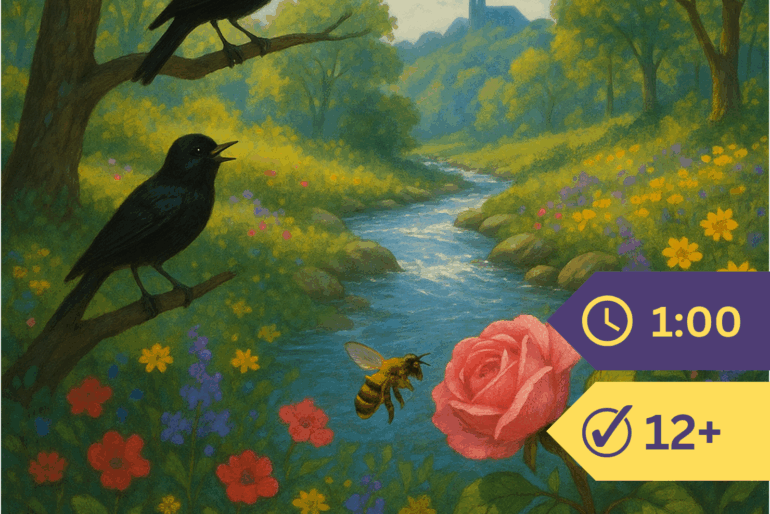
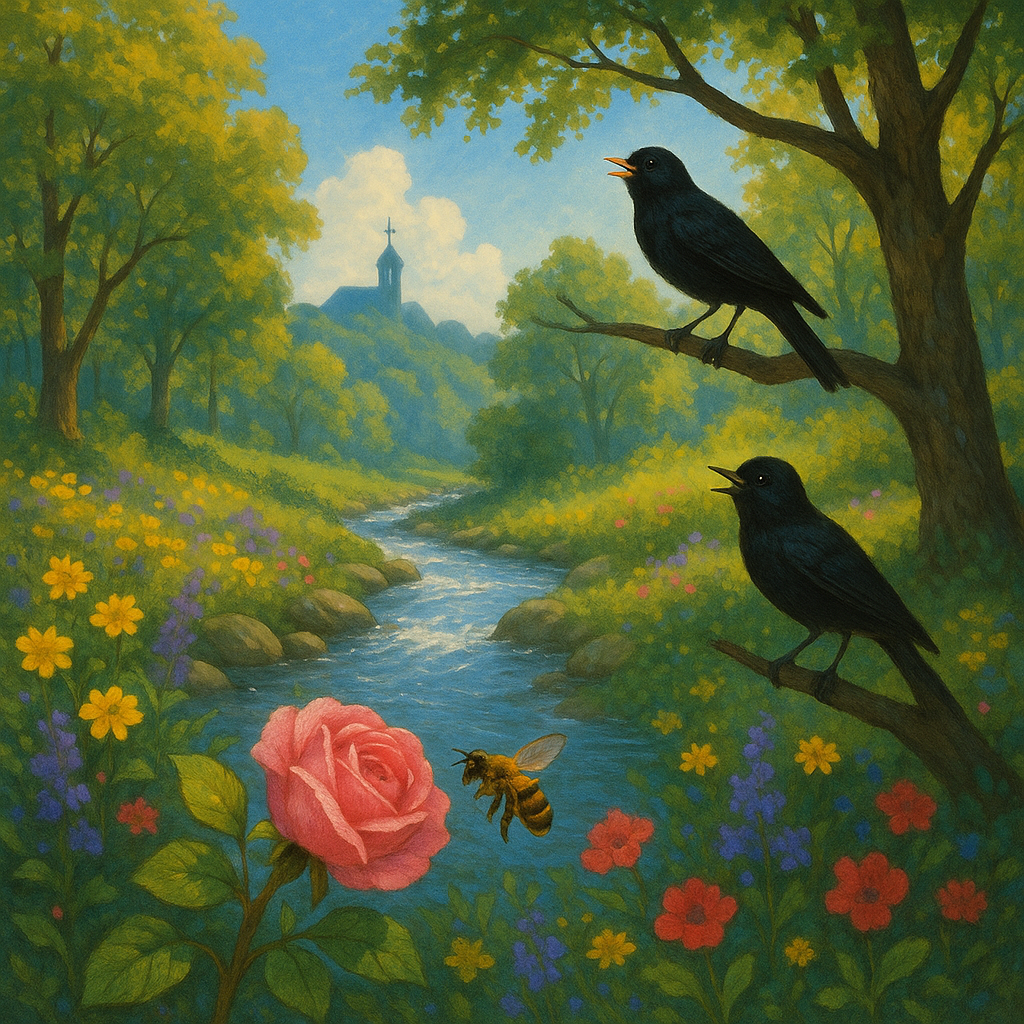
Two Worlds is a short poem that sets the steady rhythm of nature beside the weight of human suffering. Emily Dickinson watches mornings bloom into noon, wildflowers kindle in the woods, and brooks chatter on, while a blackbird sings past Calvary. Then a bee grieves for its lost rose as if nothing larger exists. The poem asks what sorrow really measures, and who decides what matters.

Listen to audio


Read Online

IT makes no difference abroad,
The seasons fit the same,
The mornings blossom into noons,
And split their pods of flame.

Wild-flowers kindle in the woods,
The brooks brag all the day;
No blackbird bates his jargoning
For passing Calvary.

Auto-da-fé and judgment
Are nothing to the bee;
His separation from his rose
To him seems misery.


Add Ririro as a Preferred Source on Google


Credits

Emily Dickinson was an American poet of the 19th century, famed for her compact, startling verse and her private life in Amherst, Massachusetts. In this poem she sets the ancient horror of the auto-da-fé against the small grief of a single bee.