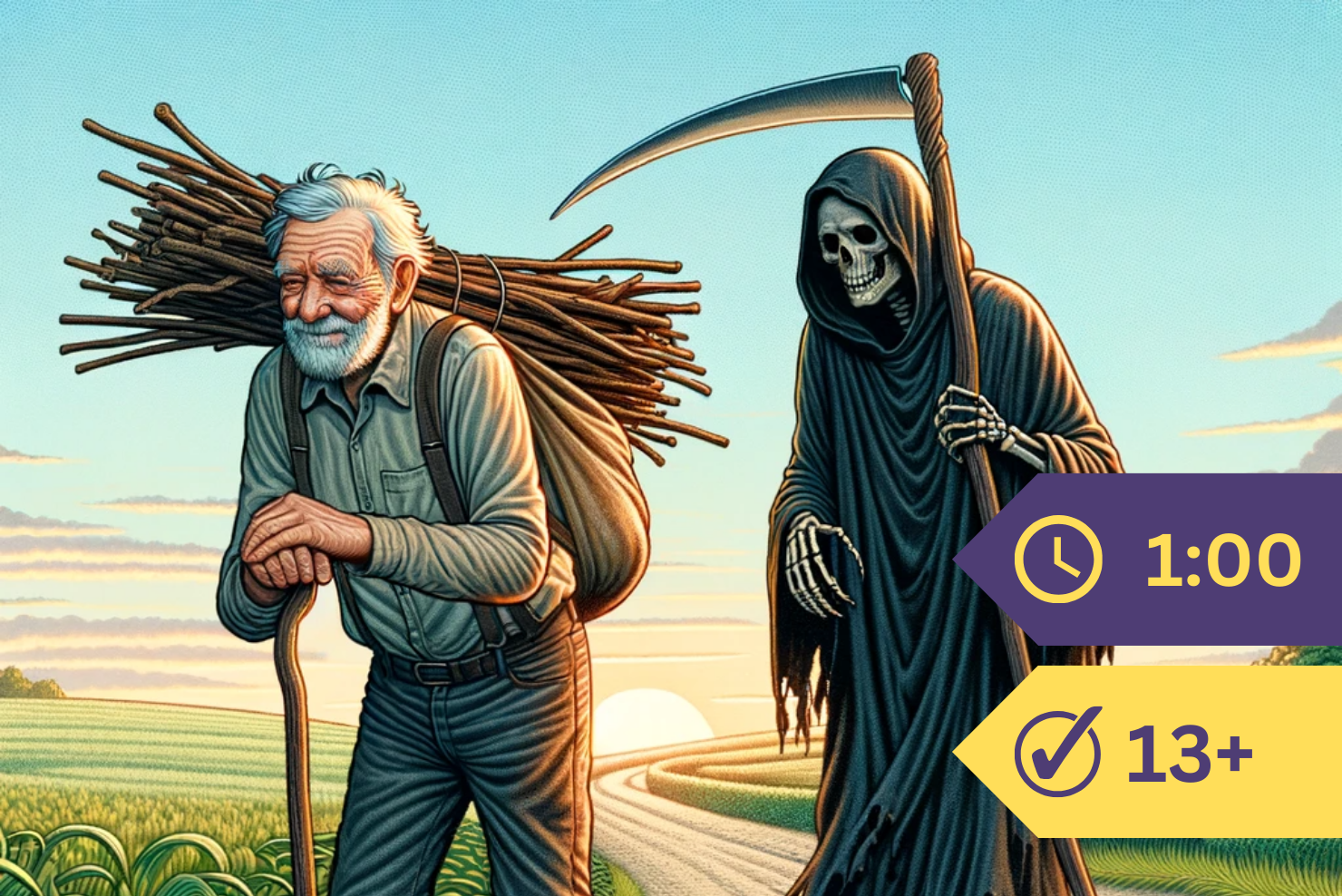
TO know just how he suffered would be dear;
To know if any human eyes were near
To whom he could intrust his wavering gaze,
Until it settled firm on Paradise.
To know if he was patient, part content,
Was dying as he thought, or different;
Was it a pleasant day to die,
And did the sunshine face his way?
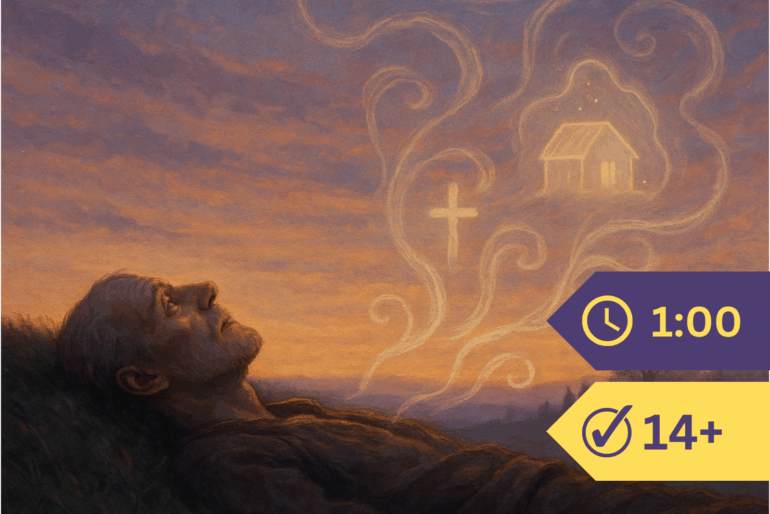
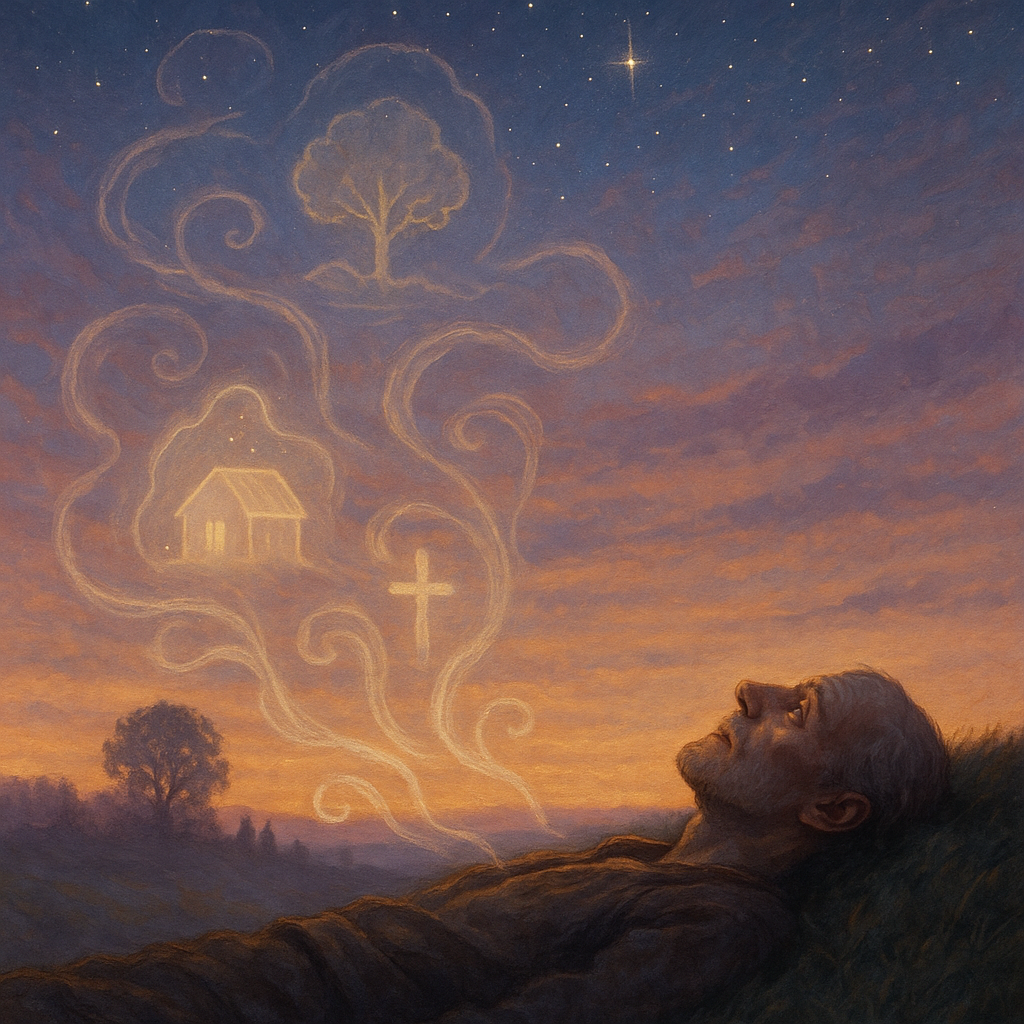
What was his furthest mind, of home, of God,
Or what the distant say
At news that he ceased human nature
On such a day?
And wishes, had he any?
Just his sigh, accented,
Had been legible to me.
And was he confident until
Ill fluttered out in everlasting well?
And if he spoke, what name was best,
What first,
What one broke off with
At the drowsiest?
Was he afraid, or tranquil?
Might he know
How conscious consciousness could grow,
Till love that was, and love too blest to be,
Meet—and the junction be Eternity?
Free downloads