To fight aloud is very brave

Summary


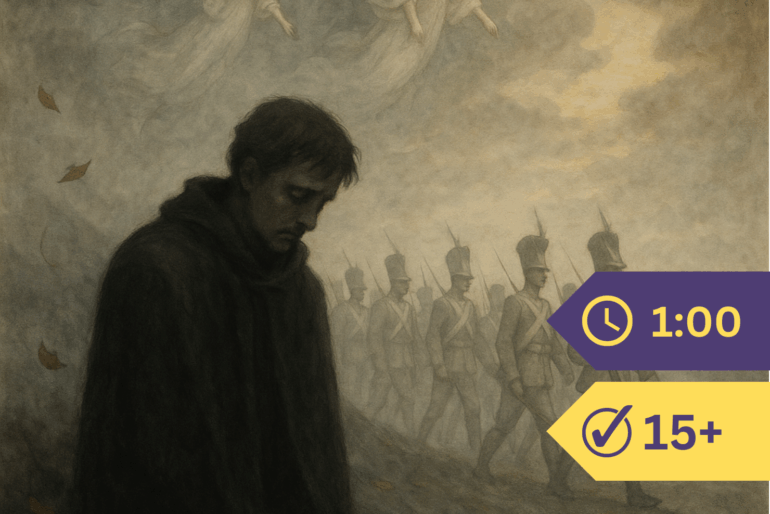
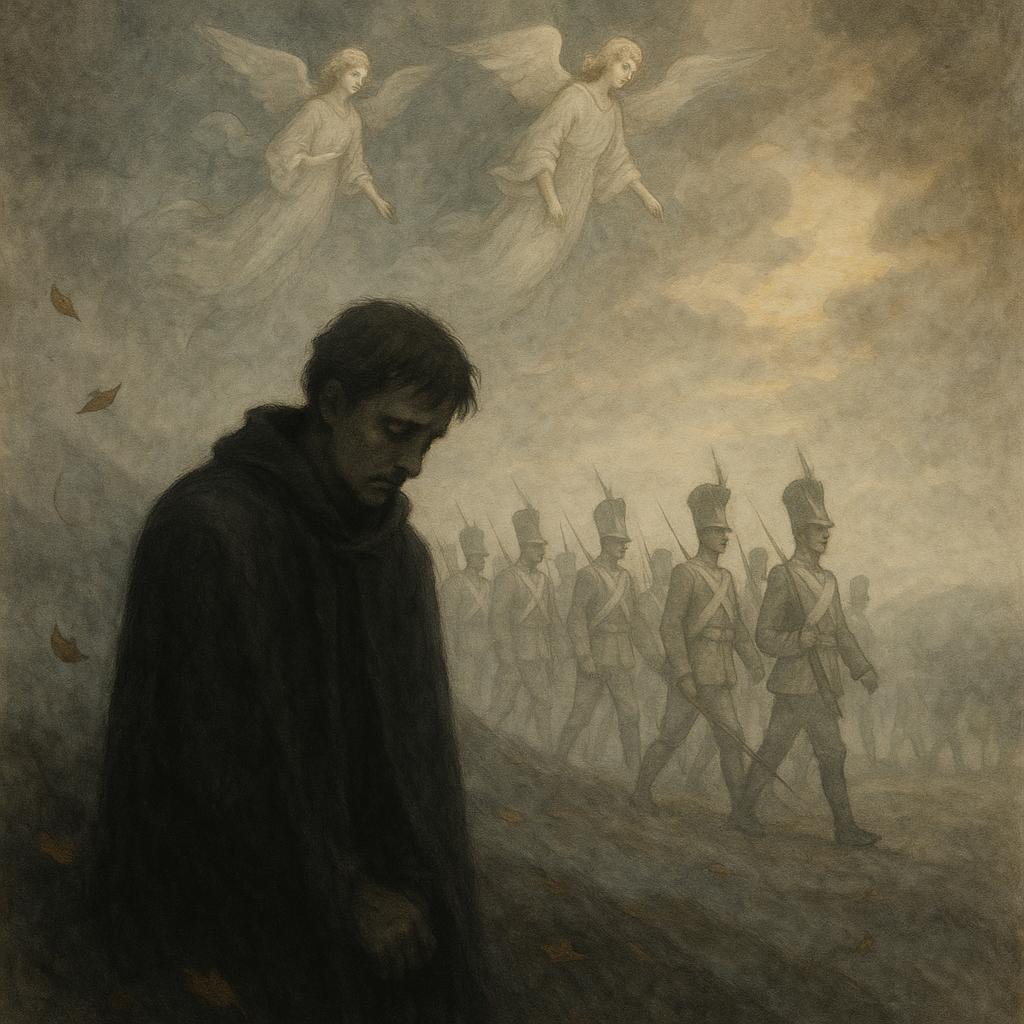
"To fight aloud is very brave" is a short Emily Dickinson poem that honors the battles no one witnesses. Instead of banners and cheering crowds, it turns to the quiet struggle inside the heart, where a cavalry of woe charges unseen. Its mood is solemn yet tender, its stakes deeply personal. The speaker looks past public glory to those who fall without a country's applause, and imagines a procession of angels marching in uniforms of snow.

Read Online

TO fight aloud is very brave,
But gallanter, I know,
Who charge within the bosom,
The cavalry of woe.

Who win, and nations do not see,
Who fall, and none observe,
Whose dying eyes no country
Regards with patriot love.

We trust, in plumed procession,
For such the angels go,
Rank after rank, with even feet
And uniforms of snow.


Add Ririro as a Preferred Source on Google


Credits

Emily Dickinson was a 19th-century American poet from Amherst, Massachusetts, celebrated for her compact, daring verse and her unconventional dashes. Like most of her work, this poem went unpublished in her lifetime, and its military imagery echoes the Civil War years in which she wrote prolifically.