The Peace of Christmas-Time

Summary


"The Peace of Christmas-Time" is a short Christmas poem that holds grief and comfort side by side. A speaker addresses their beloved as children dance joyfully around the Christmas tree, yet one small face is missing — a child now gone. Through the gentle image of the Christ-child bringing peace, the poem moves from loss toward a tender, aching consolation, as memory returns the absent little one, if only for a moment.

Listen to audio


Read Online

Dearest, how hard it is to say
That all is for the best,
Since, sometimes, in a grievous way
God’s will is manifest.

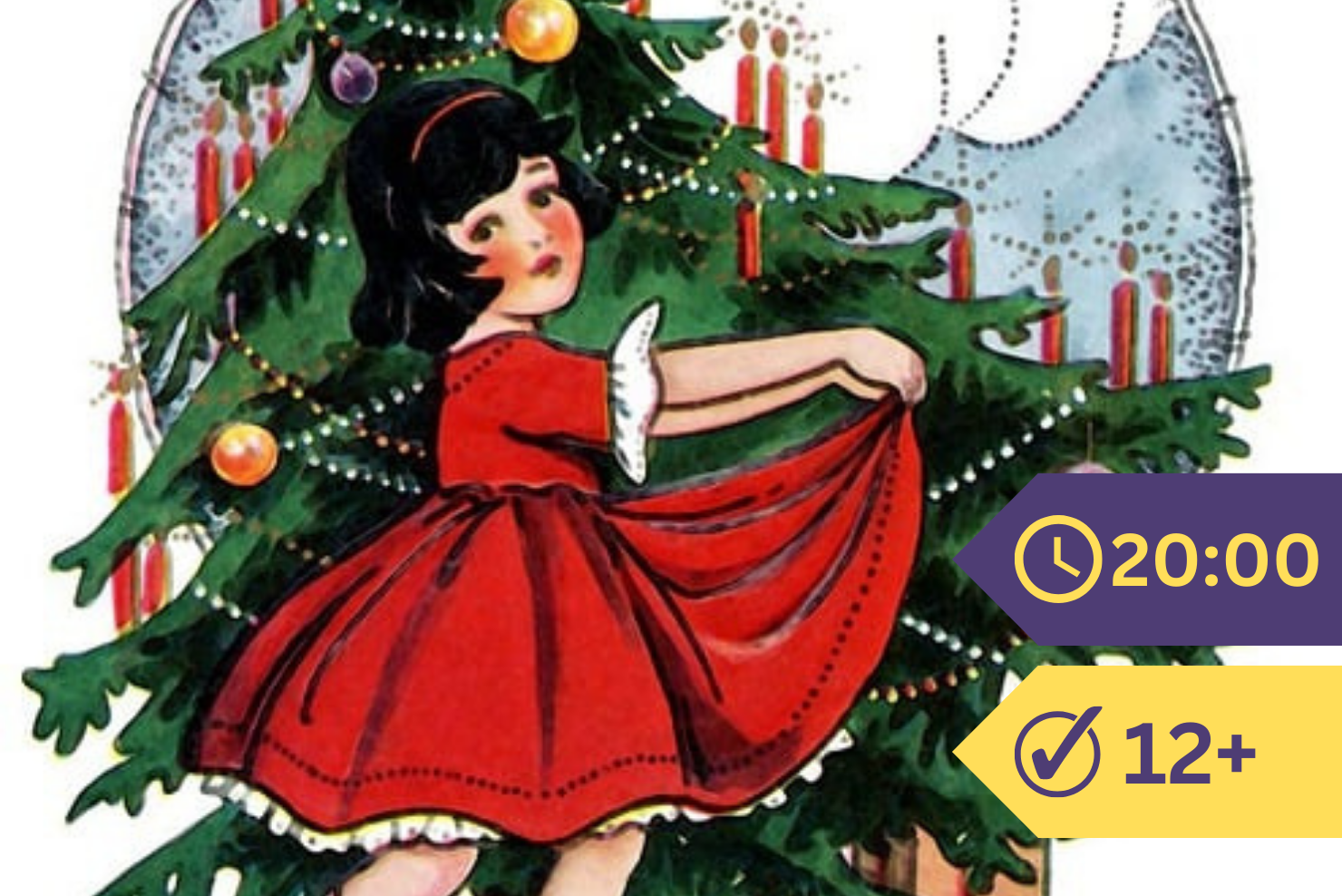
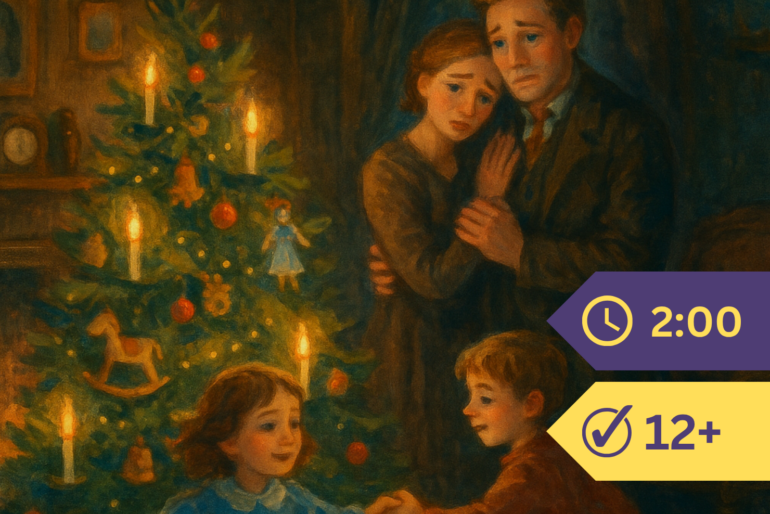
See with what hearty, noisy glee
Our little ones to-night
Dance round and round our Christmas tree
With pretty toys bedight.
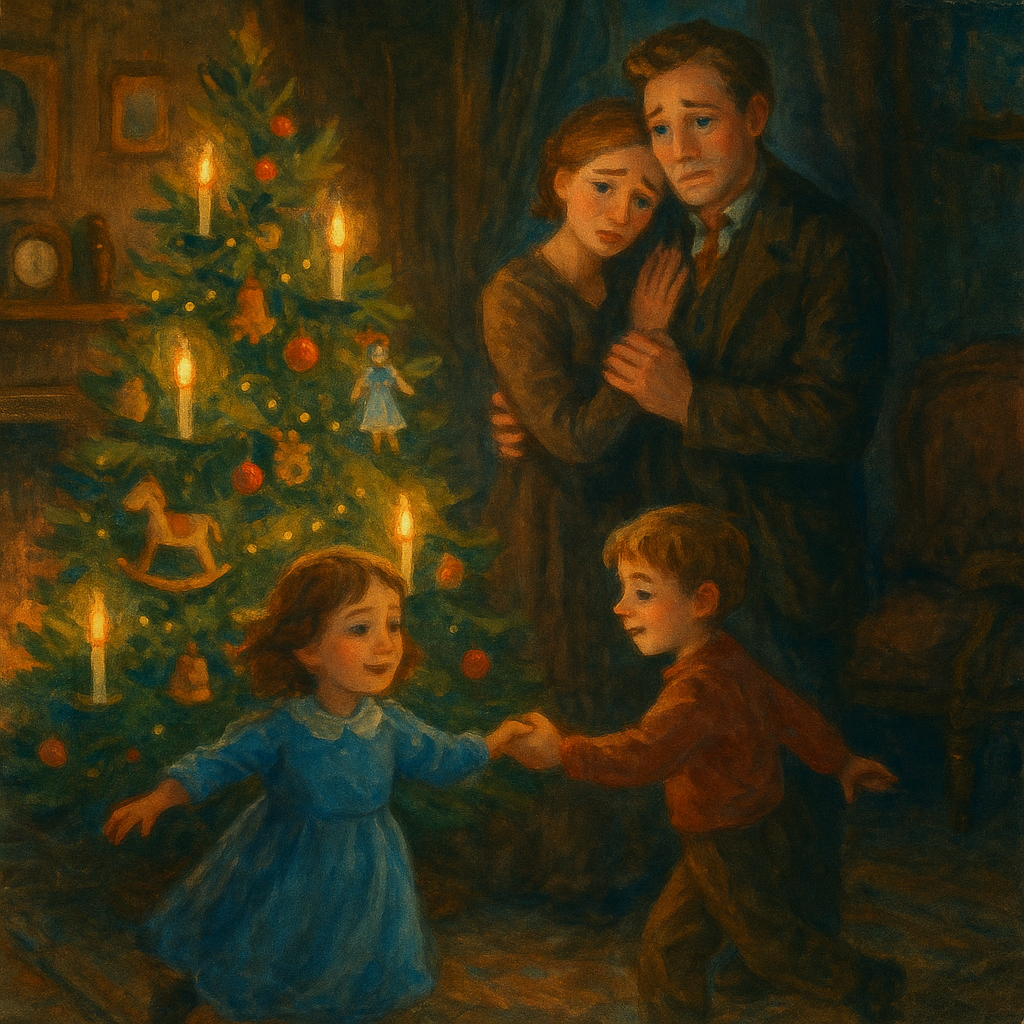
A couple watches their children dance around a Christmas tree in "The Peace of Christmas-Time"

Dearest, one voice they may not hear,
One face they may not see —
Ah, what of all this Christmas cheer
Cometh to you and me?

Cometh before our misty eyes
That other little face,
And we clasp, in tender, reverent wise,
That love in the old embrace.

Dearest, the Christ-child walks to-night,
Bringing his peace to men.
And he bringeth to you and to me the light
Of the old, old years again.

Bringeth the peace of long ago,
When a wee one clasped your knee
And lisped of the morrow — dear one, you know —
And here come back is he!

Dearest, ‘t is sometimes hard to say
That all is for the best.
For, often, in a grievous way
God’s will is manifest.


Credits

Unknown writer is the attributed author of this poem, whose true identity has not been established. The verse is written in a Victorian devotional style, reflecting the era's intertwined traditions of Christmas sentiment and open mourning. Its quiet, intimate address to a grieving partner gives the poem an unusual emotional directness for its time.