The Hemlock

Summary


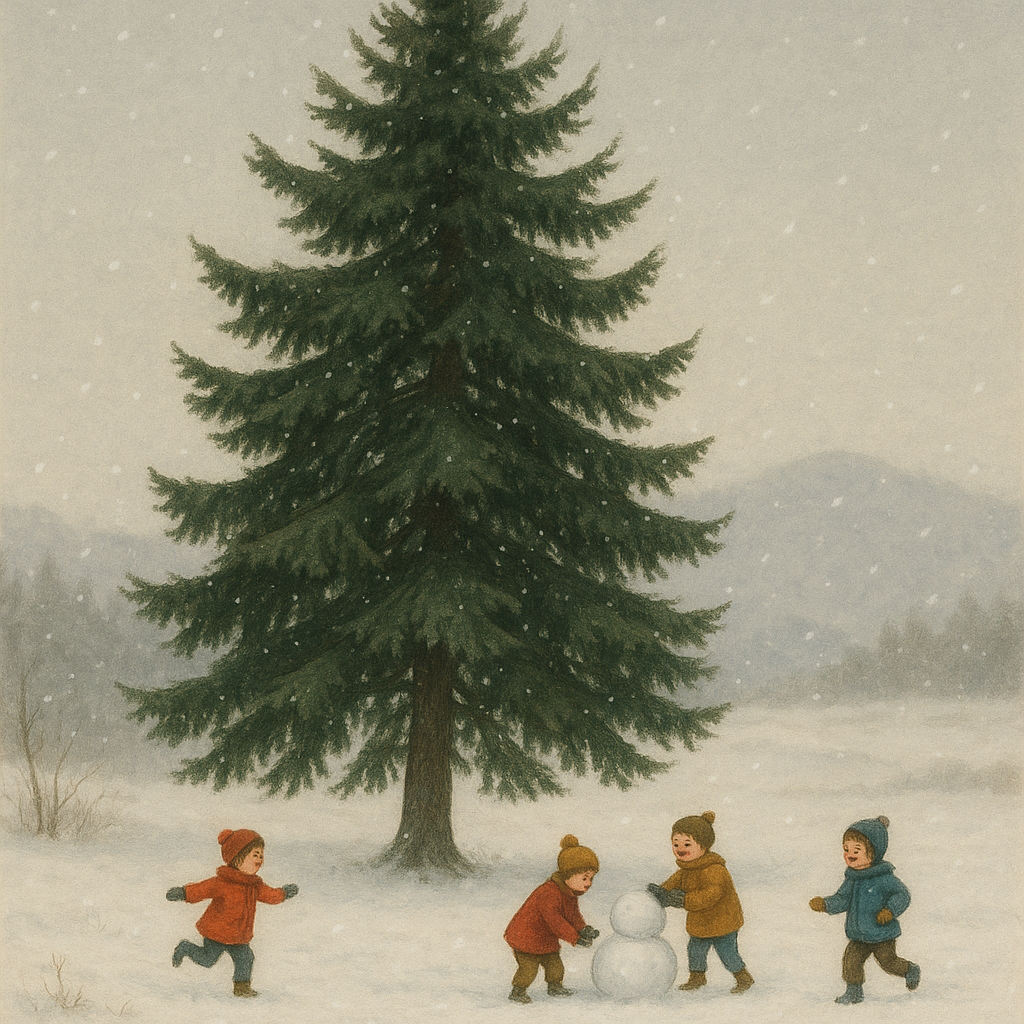
"The Hemlock" is a short poem by Emily Dickinson that turns a single evergreen into a portrait of stubborn endurance. The speaker pictures the tree standing at the edge of the snow, feeding on the gnash of northern winds and savoring cold the way others savor wine. Frost, bareness and austerity become sources of strength rather than hardship. Dickinson sets the hemlock's bleak, wild landscape against softer, "satin" lives, then closes on children playing and wrestlers running beneath its boughs.

Read Online

I THINK the hemlock likes to stand
Upon a marge of snow;
It suits his own austerity,
And satisfies an awe

That men must slake in wilderness,
Or in the desert cloy,—
An instinct for the hoar, the bald,
Lapland’s necessity.

The hemlock’s nature thrives on cold;
The gnash of northern winds
Is sweetest nutriment to him,
His best Norwegian wines.

To satin races he is nought;
But children on the Don
Beneath his tabernacles play,
And Dnieper wrestlers run.



Add Ririro as a Preferred Source on Google


Credits

Emily Dickinson was a 19th-century American poet from Amherst, Massachusetts, celebrated for her compact, daring verse and unconventional dashes. Here she borrows far-off places such as Lapland, Norway and the rivers Don and Dnieper, even though she rarely traveled beyond her New England home.