Spirits Of The Dead

Summary


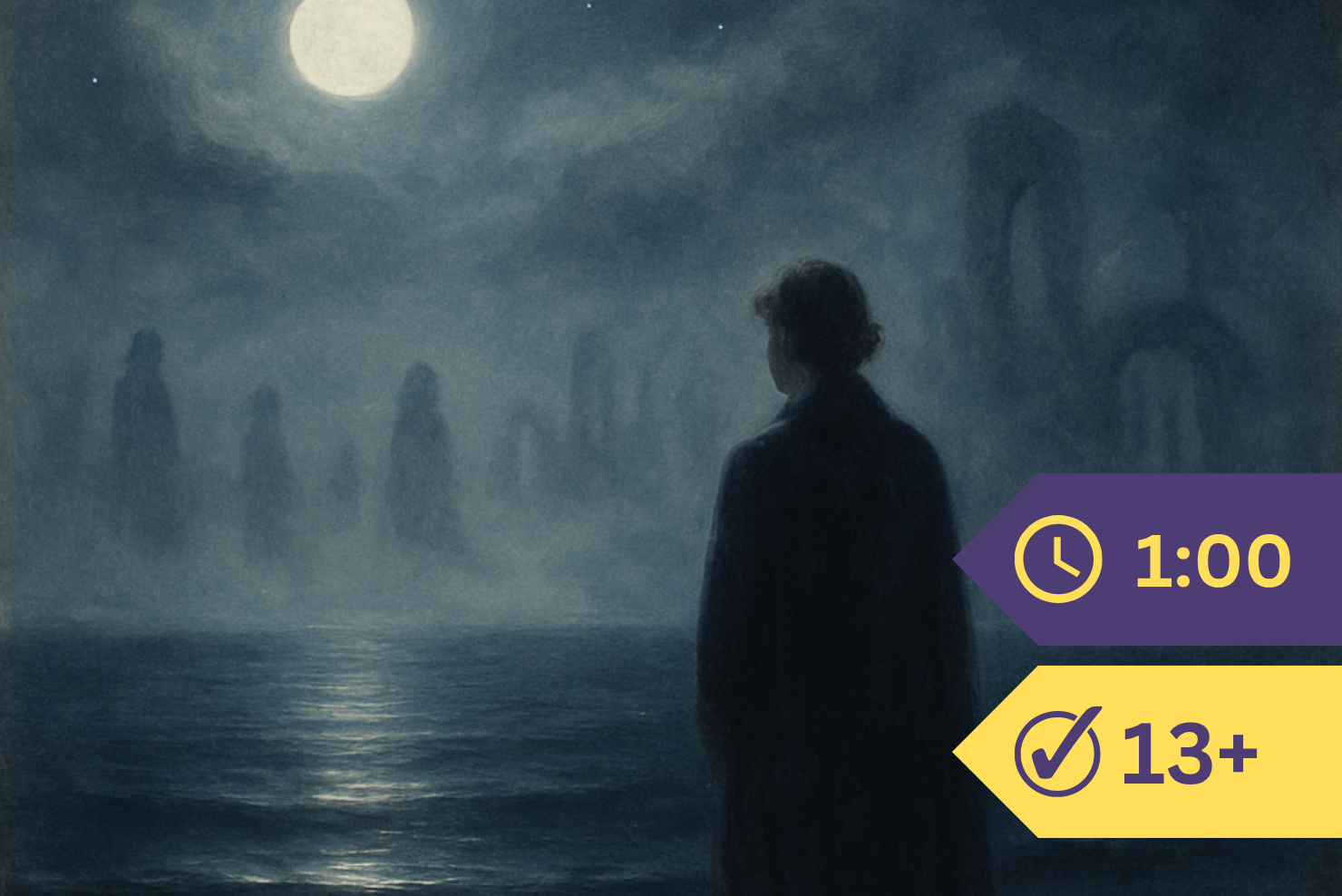
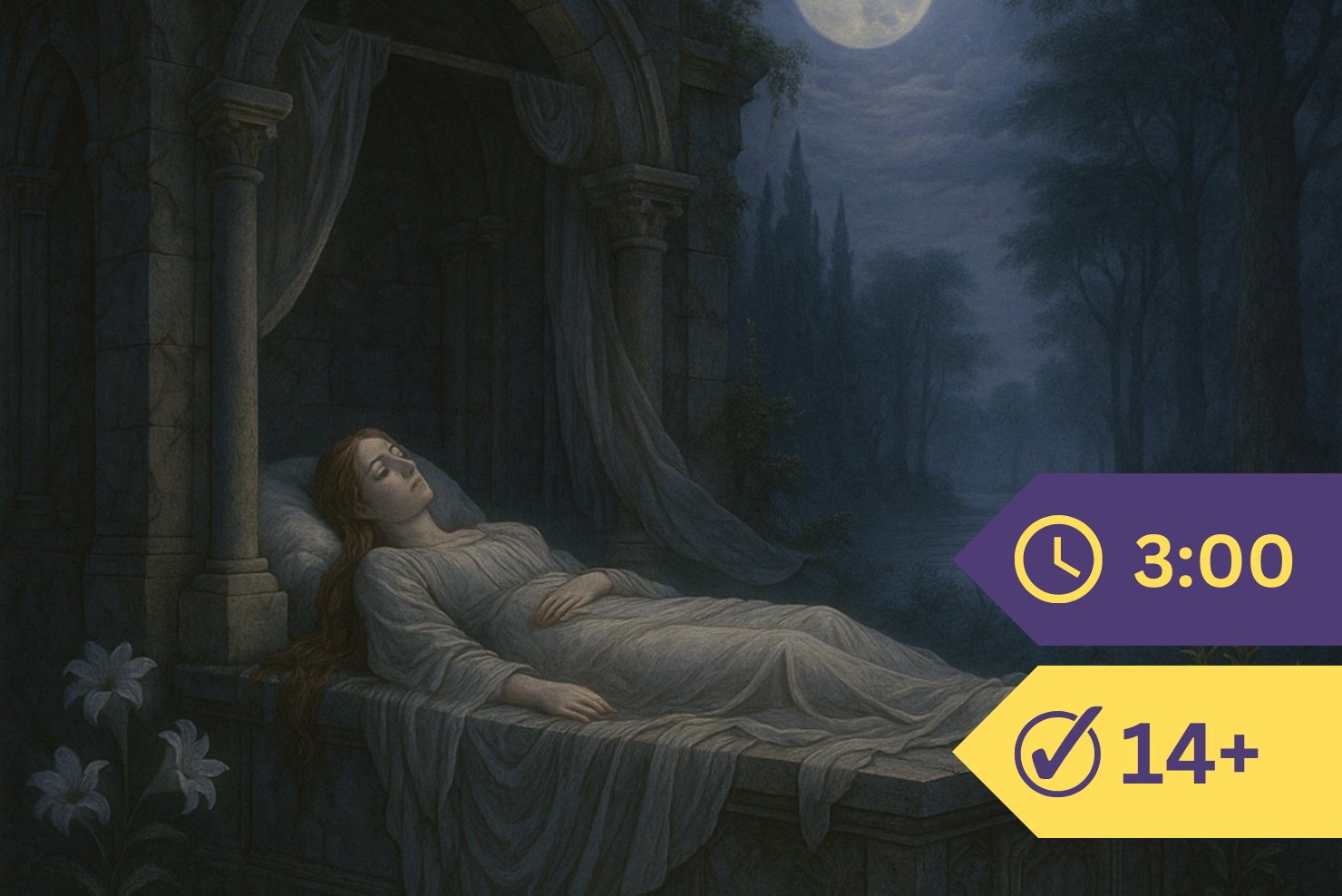
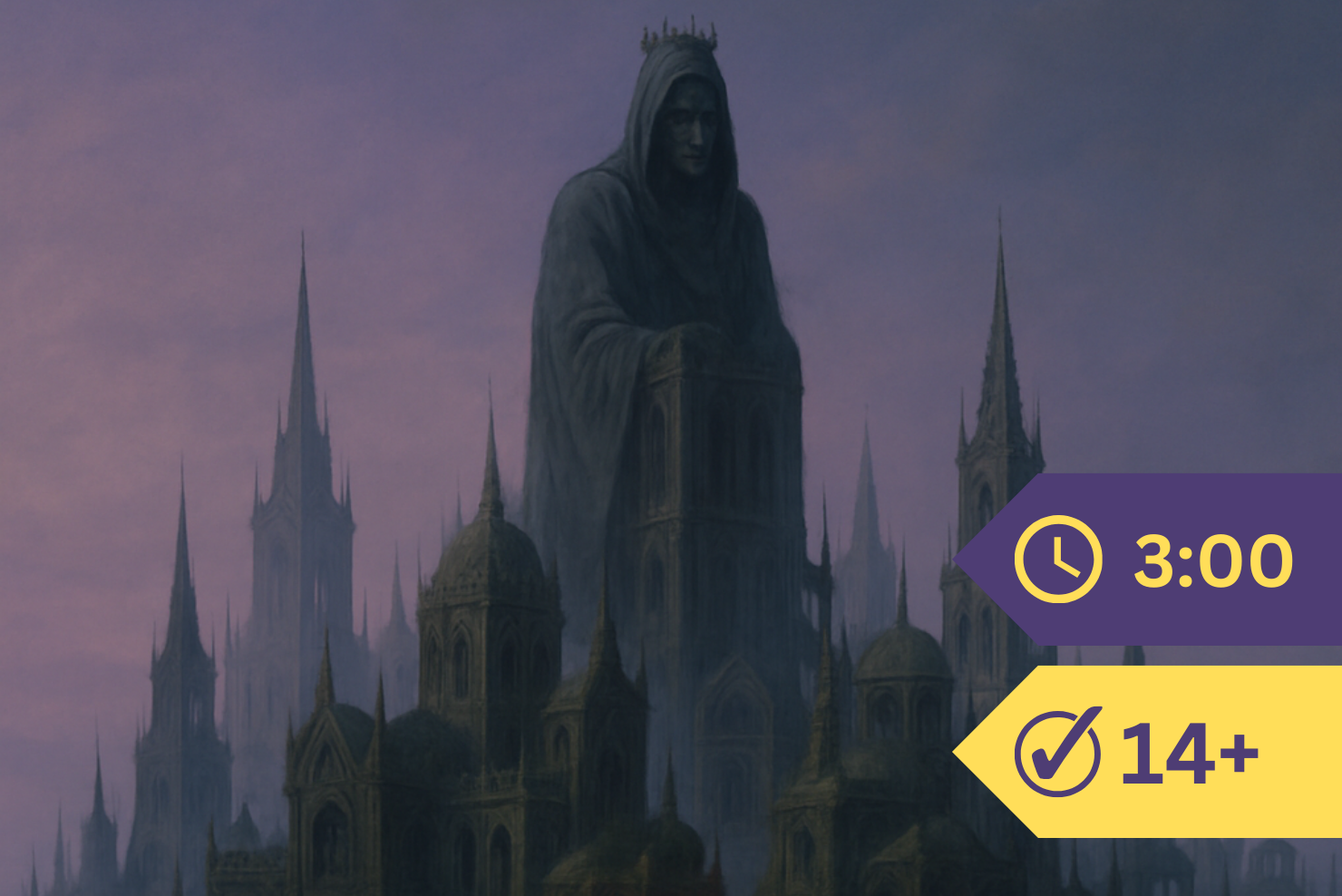
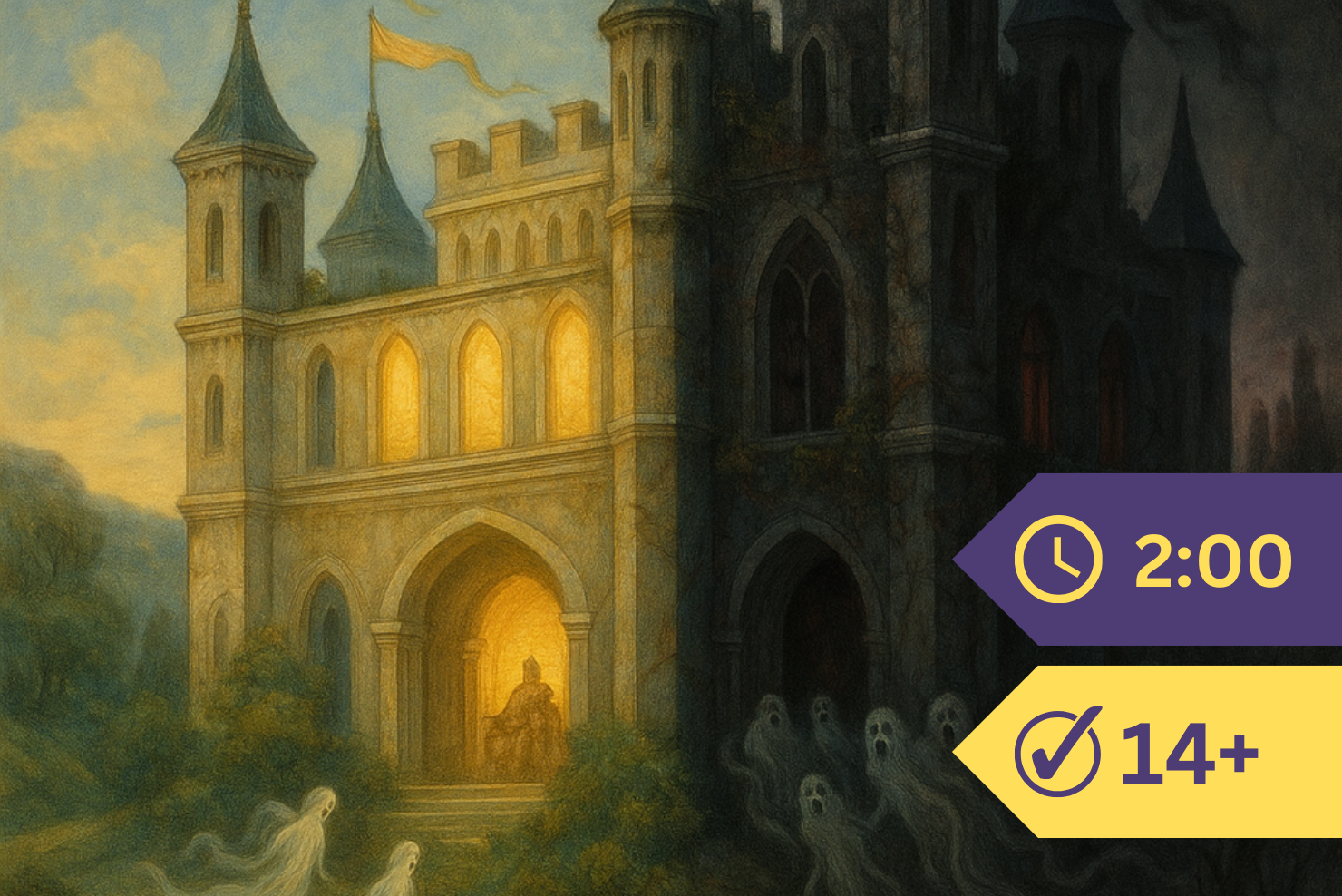
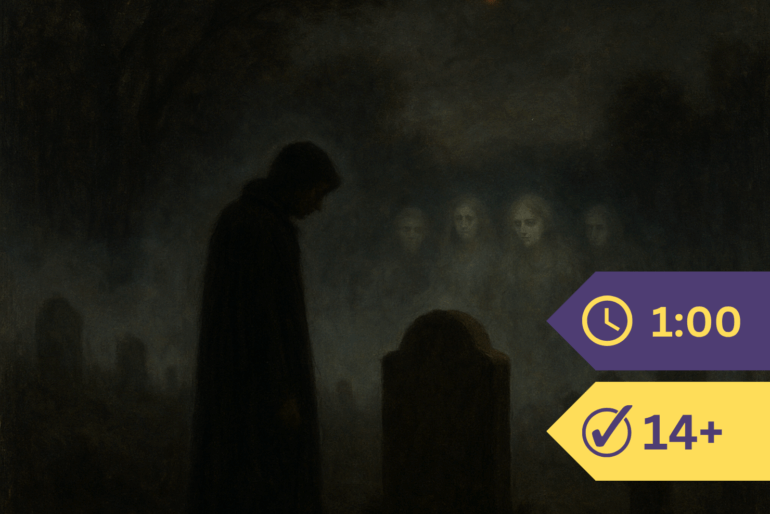
"Spirits Of The Dead" is a poem by Edgar Allan Poe that pulls the reader into a landscape of grey tombstones, frowning nights, and stars that burn without hope. Addressed to a solitary soul, the verse insists that the dead never truly leave — they gather in silence, their will overshadowing the living. Inescapable visions cling like fever, and a shadowy mist on the hill becomes a symbol of mysteries too deep to name. The mood is oppressive, intimate, and utterly still.

Listen to audio


Read Online

                                 1

     Thy soul shall find itself alone
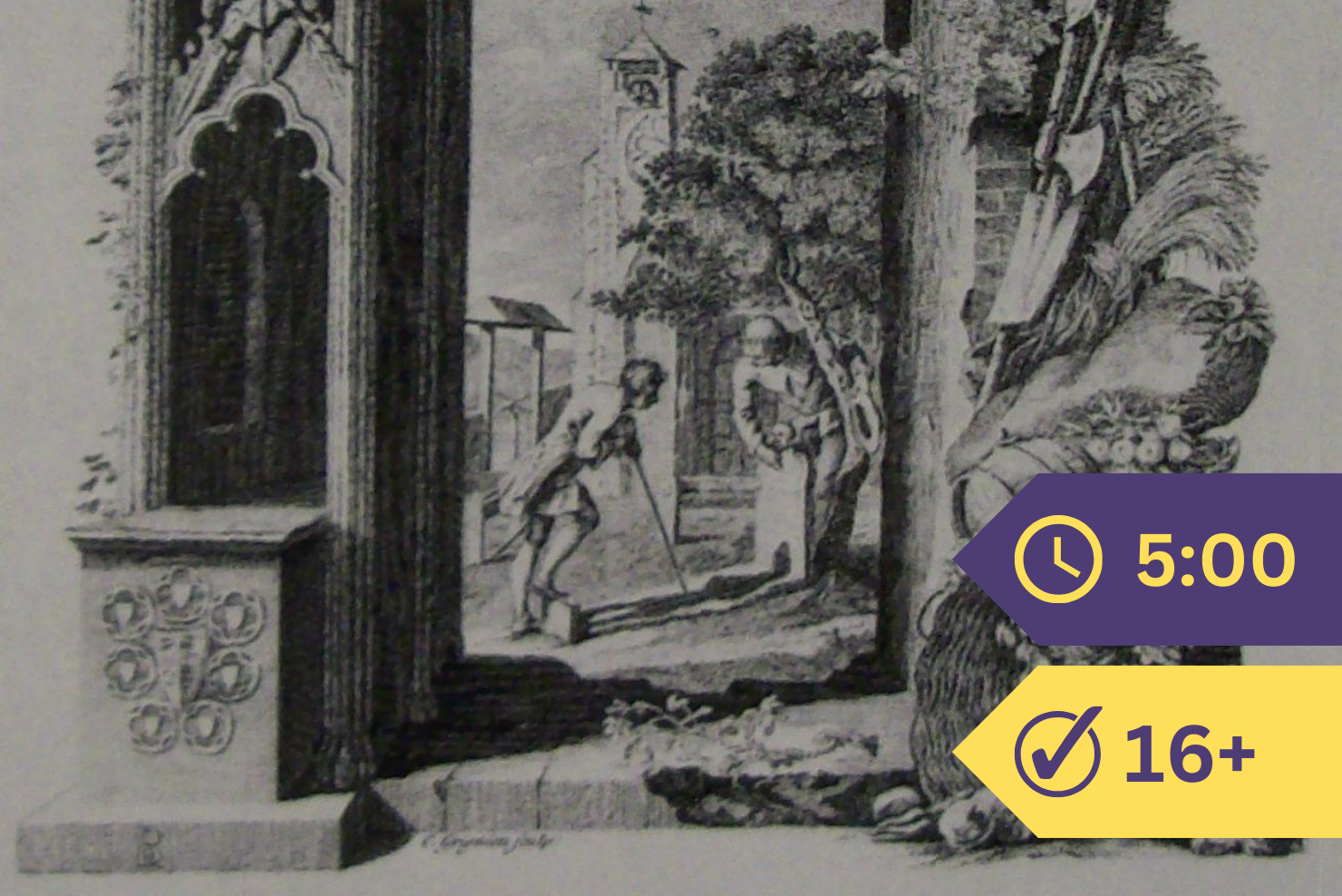
     ‘Mid dark thoughts of the grey tomb-stone—
     Not one, of all the crowd, to pry
     Into thine hour of secrecy:

                                 2

     Be silent in that solitude
     Which is not loneliness—for then
     The spirits of the dead who stood
     In life before thee are again
     In death around thee—and their will
     Shall then overshadow thee: be still.

                                3

     For the night—tho’ clear—shall frown—
     And the stars shall look not down,
     From their high thrones in the Heaven,
     With light like Hope to mortals given—
     But their red orbs, without beam,
     To thy weariness shall seem
     As a burning and a fever
     Which would cling to thee for ever:

                               4

     Now are thoughts thou shalt not banish—
     Now are visions ne’er to vanish—
     From thy spirit shall they pass
     No more—like dew-drop from the grass:

                              5

     The breeze—the breath of God—is still—
     And the mist upon the hill
     Shadowy—shadowy—yet unbroken,
     Is a symbol and a token—
     How it hangs upon the trees,
     A mystery of mysteries!—

Credits

Edgar Allan Poe was an American writer of the 19th century, celebrated for his mastery of Gothic atmosphere in both poetry and fiction. "Spirits Of The Dead" was first published in 1827 under the title "Visit of the Dead" in his debut collection Tamerlane and Other Poems, making it one of his earliest explorations of death and the afterlife. Poe's ability to transform landscape into psychological dread is already fully present in this remarkable early work.