Imitation

Summary


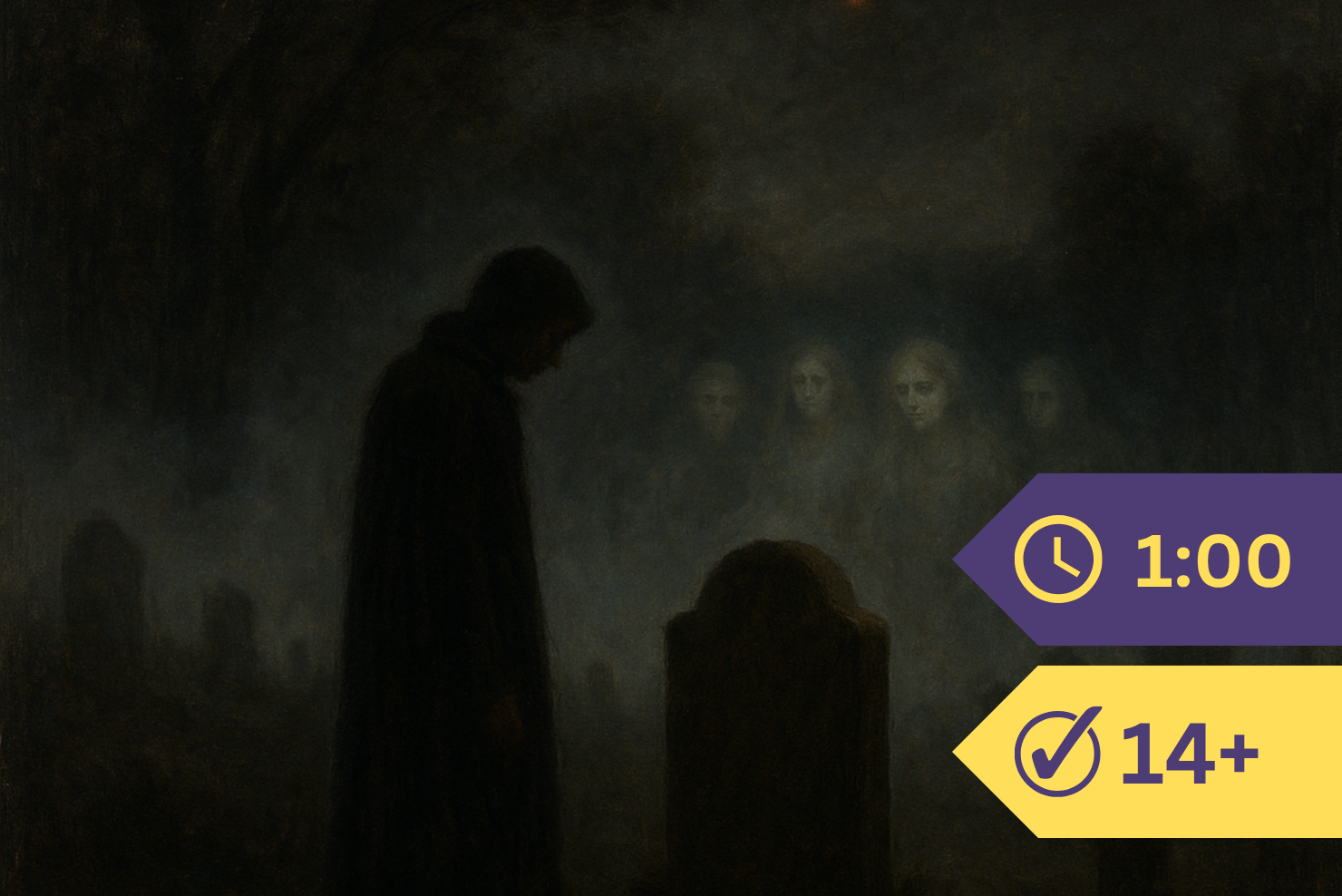
"Imitation" by Edgar Allan Poe is a short poem that plunges readers into a murky inner world of pride, mystery, and fading dreams. The speaker reflects on an early life haunted by visions of beings never truly seen — glimpsed only through a dreaming eye. As bright hope and peaceful rest slip away with barely a sigh, he wrestles with whether those cherished thoughts were ever worth holding at all. The poem carries Poe's signature tone of brooding introspection and quiet, resigned despair.


Listen to audio


Read Online

     A dark unfathom’d tide
     Of interminable pride—
     A mystery, and a dream,
     Should my early life seem;
     I say that dream was fraught
     With a wild, and waking thought
     Of beings that have been,
     Which my spirit hath not seen,
     Had I let them pass me by,
     With a dreaming eye!
     Let none of earth inherit
     That vision on my spirit;
     Those thoughts I would control
     As a spell upon his soul:
     For that bright hope at last
     And that light time have past,
     And my worldly rest hath gone
     With a sigh as it pass’d on
     I care not tho’ it perish
     With a thought I then did cherish.

Credits

Edgar Allan Poe was an American writer of the 19th century, widely celebrated for his mastery of Gothic fiction, poetry, and the macabre. "Imitation" is considered one of his earliest published poems, believed to have been written when Poe was still a teenager, offering a striking glimpse into the melancholic inner world that would define his later work.